ASEC Backs Budget Energy Push but Warns Ghana Risks Falling Behind on Green Transition
Liwalmor M-Moadan
Journalist
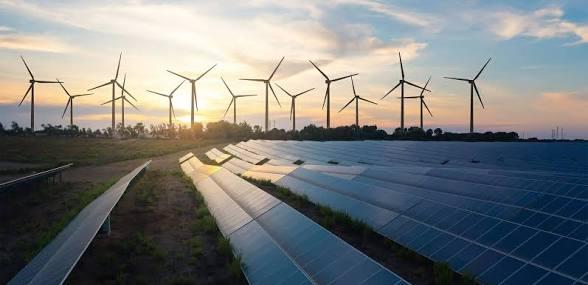
The Africa Sustainable Energy Centre (ASEC) has endorsed key energy measures outlined in Ghana’s 2026 Mid-Year Budget Review while cautioning that the government’s infrastructure drive must be matched by stronger investment in renewable energy if it is to meet its long-term climate and energy transition commitments.
In its assessment of the budget, ASEC welcomed plans to develop a 1,200-megawatt thermal power plant, describing the project as a necessary intervention to bolster electricity supply, support industrialisation and improve energy security amid rising demand.
The policy institute, however, argued that expanding thermal generation without a parallel acceleration in renewable energy investments could widen the gap between Ghana’s current energy mix and its target of sourcing 10% of electricity generation from renewables by 2030.
ASEC noted that renewable energy currently contributes only about 2% of Ghana’s electricity generation, warning that additional thermal capacity alone would make national decarbonisation targets increasingly difficult to achieve.
The Centre urged government to complement conventional power investments with large-scale solar and wind projects, battery energy storage systems and distributed renewable energy solutions, arguing that energy security and climate objectives should advance simultaneously.
“Energy security and the green transition should advance together—not compete with one another,” the Centre said.
ASEC also questioned the extent to which the government’s green transition agenda is reflected in the budget, despite the recent renaming of the Energy Ministry as the Ministry of Energy and Green Transition. It argued that institutional rebranding should be accompanied by measurable investments in renewable energy, energy efficiency, electric mobility and other low-carbon technologies.
On petroleum pricing, the organisation criticised the decision to retain the GH¢1 fuel levy, saying its removal would have eased fuel costs, lowered transport expenses and helped moderate inflation. It called for greater transparency on how proceeds from the levy are being utilised and urged government to provide a clear timetable for phasing it out.
ASEC nevertheless welcomed plans to expand access to Liquefied Petroleum Gas (LPG) but maintained that Ghana’s long-term clean cooking strategy should also prioritise electric cooking, bioethanol, biogas and improved biomass technologies to support universal access while advancing climate goals.
The Centre further endorsed plans to construct a second gas processing plant, describing the project as important for strengthening domestic energy infrastructure. However, it expressed reservations over the decision to pursue the project through a private sector-led model, calling for wider public consultation and robust fiscal safeguards covering royalties, local content provisions and long-term value retention.
ASEC concluded that the government’s renewed emphasis on energy infrastructure represents an opportunity to strengthen economic growth, but argued that future budgets must strike a more balanced approach between conventional energy investments and the country’s transition to a cleaner, more resilient energy system.
The organisation said Ghana’s long-term energy strategy should rest on four pillars: energy security, affordability, sustainability and resilience.
Written by
Liwalmor M-Moadan
M-Moadan is dedicated journalist committed to delivering accurate, timely, and impactful news. Passionate about uncovering the facts, telling meaningful stories, and keeping the public informed with integrity and professionalism.
Related Stories
Nvidia Buys Hugging Face in Nearly $13 Billion AI Mega Deal
Nvidia has agreed to acquire artificial intelligence platform Hugging Face for $12.93 billion, marking a major expansion beyond its core chip business and...

How AI Agents Could Transform African Businesses
Artificial intelligence is no longer just a technology used to write emails, generate images or answer questions. A new phase is emerging: AI agents—systems...

Why Young People’s Attention Span Is Dropping in the Social Media World
For many young people today, staying focused on one thing for a long period has become increasingly difficult. A student may sit down to study, open a...
Comments (0)
No comments yet. Be the first to share your thoughts.