Back to the Bean: Ghana Launches Bold Mission to Rescue Cocoa
Liwalmor M-Moadan
Journalist
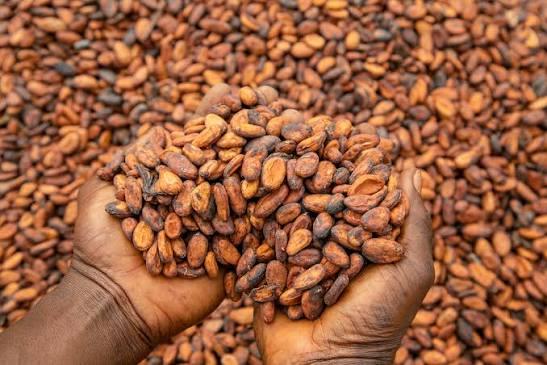
Ghana is embarking on an ambitious effort to restore the fortunes of its cocoa industry, with the government and the Ghana Cocoa Board (COCOBOD) rolling out a comprehensive reform agenda designed to lift production, strengthen farmer incomes and reposition one of the country’s most strategic export sectors for long-term growth.
The renewed commitment comes at a pivotal moment for Ghana’s cocoa economy, which has struggled in recent years with declining yields, disease outbreaks, illegal mining, climate-related pressures, ageing farms and mounting financial challenges. Together, these factors have weakened output and threatened the country’s standing as one of the world’s leading cocoa producers.
Addressing cocoa stakeholders in the Central Region, Central Regional COCOBOD Director Samuel Addo Agyakwa said the government remains firmly committed to rebuilding the industry through targeted interventions that place farmers at the centre of the recovery strategy.
He said cocoa continues to play a critical role in Ghana’s economic development by generating export earnings, supporting rural livelihoods and contributing significantly to national growth. According to him, protecting and modernising the industry is therefore essential to securing the country’s economic future.
The reform programme extends beyond increasing production. Authorities are seeking to create a more financially sustainable cocoa sector capable of withstanding global market volatility while delivering better returns for farmers.
Among the flagship initiatives is a proposed new COCOBOD legislation that aims to modernise the governance framework of the cocoa industry. The bill is expected to guarantee farmers at least 70% of the Free-on-Board (FOB) export price, strengthen institutional accountability, improve financial management and encourage greater local processing to increase value addition before export.
Government is also restructuring COCOBOD’s financing model by shifting away from its long-standing dependence on syndicated international loans towards a domestic financing system. Officials believe the transition will reduce borrowing costs, improve liquidity and give the institution greater flexibility to support farmers and operational activities.
The wider strategy also includes measures to rehabilitate ageing cocoa farms, intensify disease and pest control programmes, distribute improved planting materials, expand extension services and strengthen sustainability initiatives aimed at helping farmers adapt to changing climatic conditions.
Industry observers say these reforms could mark one of the most significant transformations of Ghana’s cocoa sector in decades if effectively implemented. Beyond restoring production, the success of the programme will depend on maintaining farmer confidence, ensuring timely financing, improving productivity and creating stronger incentives for domestic cocoa processing.
For thousands of cocoa-growing households, the government’s renewed focus offers hope that the industry’s current challenges can be reversed. For the broader economy, a revitalised cocoa sector would reinforce export revenues, support foreign exchange inflows, stimulate rural development and strengthen Ghana’s position in the global cocoa value chain.
As the reforms move from policy to implementation, the coming years are expected to determine whether Ghana can translate its ambitious vision into a sustainable revival of an industry that has long been regarded as the backbone of the country’s agricultural economy.
Written by
Liwalmor M-Moadan
M-Moadan is dedicated journalist committed to delivering accurate, timely, and impactful news. Passionate about uncovering the facts, telling meaningful stories, and keeping the public informed with integrity and professionalism.
Related Stories

Ghana’s Gold Revolution: Can Refining Gold at Home Finally Keep More of the Country’s Wealth in Ghana?
For generations, Ghana has drawn enormous wealth from beneath its soil, yet much of the value created from that wealth has flowed beyond its borders. Now,...
GoldBod Targets $1.4bn as BoG Reduces September Dollar Sales
The Bank of Ghana (BoG) has sharply reduced the amount of foreign exchange it plans to supply to the market in September 2026. Market data indicate that the...

Four CIIG Awards Strengthen Enterprise Insurance’s Leadership Position
Enterprise Insurance emerged as the most successful company at the sixth Chartered Insurance Institute of Ghana (CIIG) Awards, securing four major honours at...
Comments (0)
No comments yet. Be the first to share your thoughts.