Cedi Surrenders Part of 2025 Rally as BoG Data Show 9.5% Slide Against Dollar
Liwalmor M-Moadan
Journalist
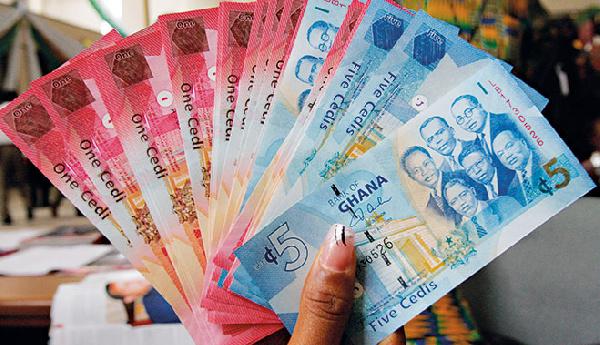
Ghana’s cedi has surrendered part of its remarkable 2025 recovery, depreciating 9.5% against the US dollar in the first seven months of 2026 despite a robust trade surplus and strong export earnings, according to the latest Bank of Ghana Summary of Economic and Financial Data.
The local currency weakened from GH¢10.45 per US dollar at the end of December 2025 to GH¢11.55 by July 17, 2026, marking a reversal from last year’s 40.7% appreciation, when improved foreign-exchange liquidity and stronger investor confidence underpinned one of the world’s best-performing currencies.
The cedi followed a similar path against other major trading currencies, falling 9.5% against the British pound to GH¢15.53 and 7.1% against the euro to GH¢13.21, highlighting broad-based pressure rather than weakness against a single currency.
The depreciation comes despite Ghana recording one of its strongest external positions in recent years. Merchandise exports reached US$18.29 billion by June, comfortably exceeding imports of US$9.48 billion and generating a trade surplus of US$8.81 billion.
Gold remained the dominant foreign-exchange earner with US$12.50 billion in exports, followed by cocoa at US$2.29 billion and crude oil at US$1.71 billion.
Ordinarily, such a sizeable trade surplus would be expected to strengthen the domestic currency by increasing the supply of foreign exchange. However, the latest figures suggest that demand for dollars—driven by imports, external debt servicing, corporate payments and portfolio flows—continued to outweigh the supportive effects of export receipts.
The pressure on the currency also coincided with a decline in Ghana’s gross international reserves, which fell from US$14.16 billion in March to US$12.94 billion in June, while still providing approximately five months of import cover.
The cedi’s weakening carries broader macroeconomic implications. A softer currency raises the local cost of imported fuel, machinery, pharmaceuticals and industrial inputs, potentially feeding into consumer prices if businesses pass higher costs through to households.
Those concerns have become more pronounced after inflation accelerated from 3.7% in May to 5.3% in June, with non-food inflation rising faster than food prices.
For businesses and government entities with foreign-currency obligations, the depreciation increases the cedi cost of servicing debt and paying overseas suppliers. Exporters, however, could benefit from receiving more cedis for each dollar earned, provided export proceeds are converted into the domestic market.
While the current depreciation remains modest compared with the sharp currency instability experienced in previous years, economists are likely to watch closely whether the trend becomes entrenched or stabilises in the second half of the year.
The latest figures suggest Ghana retains strong external fundamentals, but preserving confidence in the cedi will require continued export growth, prudent fiscal management, adequate reserve accumulation and carefully calibrated foreign-exchange market interventions.
Written by
Liwalmor M-Moadan
M-Moadan is dedicated journalist committed to delivering accurate, timely, and impactful news. Passionate about uncovering the facts, telling meaningful stories, and keeping the public informed with integrity and professionalism.
Related Stories

Ghana’s Gold Revolution: Can Refining Gold at Home Finally Keep More of the Country’s Wealth in Ghana?
For generations, Ghana has drawn enormous wealth from beneath its soil, yet much of the value created from that wealth has flowed beyond its borders. Now,...
GoldBod Targets $1.4bn as BoG Reduces September Dollar Sales
The Bank of Ghana (BoG) has sharply reduced the amount of foreign exchange it plans to supply to the market in September 2026. Market data indicate that the...

Four CIIG Awards Strengthen Enterprise Insurance’s Leadership Position
Enterprise Insurance emerged as the most successful company at the sixth Chartered Insurance Institute of Ghana (CIIG) Awards, securing four major honours at...
Comments (0)
No comments yet. Be the first to share your thoughts.