Customs Bill Clears Parliament as Ghana Targets Stronger Revenue Collection
Liwalmor M-Moadan
Journalist
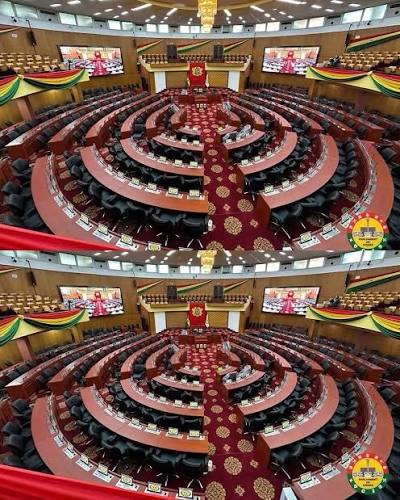
Parliament has passed the Customs Bill, 2026, marking a significant step in Ghana’s drive to modernise customs administration, improve tax compliance and strengthen domestic revenue mobilisation as the government seeks to consolidate its fiscal recovery efforts.
The legislation establishes a unified legal framework for customs administration, replacing fragmented provisions with a modern regime designed to facilitate legitimate trade while enhancing border security and enforcement against smuggling, illicit trade and customs-related offences.
The passage of the bill comes at a time when the government is intensifying efforts to improve tax collection without imposing significant new tax burdens, placing greater emphasis on closing revenue leakages and improving efficiency across state institutions.
Introduced in Parliament on July 23, 2026, by Minister for Roads and Highways Kwame Governs Agbodza on behalf of Finance Minister Dr. Cassiel Ato Forson, the bill underwent scrutiny by Parliament’s Finance Committee before receiving approval.
The legislation is expected to simplify customs procedures for importers and exporters, align Ghana’s customs regime with international standards and provide stronger legal backing for border management and trade facilitation.
From a fiscal perspective, the new framework is expected to enhance customs compliance, reduce opportunities for fraud and strengthen the Ghana Revenue Authority’s ability to collect duties and taxes more efficiently. Customs revenue remains one of the government’s key sources of domestic revenue, making reforms in the sector critical to financing public expenditure while supporting Ghana’s ongoing fiscal consolidation programme.
For businesses, the reforms are expected to improve predictability in customs administration and reduce administrative bottlenecks, although stricter enforcement measures are also likely to increase compliance requirements for importers and exporters.
The Customs Bill now awaits presidential assent before becoming law. Once assented to, it will provide the legal foundation for a more technology-driven, transparent and internationally aligned customs administration system aimed at boosting both trade competitiveness and government revenue.
Written by
Liwalmor M-Moadan
M-Moadan is dedicated journalist committed to delivering accurate, timely, and impactful news. Passionate about uncovering the facts, telling meaningful stories, and keeping the public informed with integrity and professionalism.
Related Stories

Ghana’s Gold Revolution: Can Refining Gold at Home Finally Keep More of the Country’s Wealth in Ghana?
For generations, Ghana has drawn enormous wealth from beneath its soil, yet much of the value created from that wealth has flowed beyond its borders. Now,...
GoldBod Targets $1.4bn as BoG Reduces September Dollar Sales
The Bank of Ghana (BoG) has sharply reduced the amount of foreign exchange it plans to supply to the market in September 2026. Market data indicate that the...

Four CIIG Awards Strengthen Enterprise Insurance’s Leadership Position
Enterprise Insurance emerged as the most successful company at the sixth Chartered Insurance Institute of Ghana (CIIG) Awards, securing four major honours at...
Comments (0)
No comments yet. Be the first to share your thoughts.