Death of detained student with sickle cell sparks calls for justice in Guinea
Liwalmor M-Moadan
Journalist
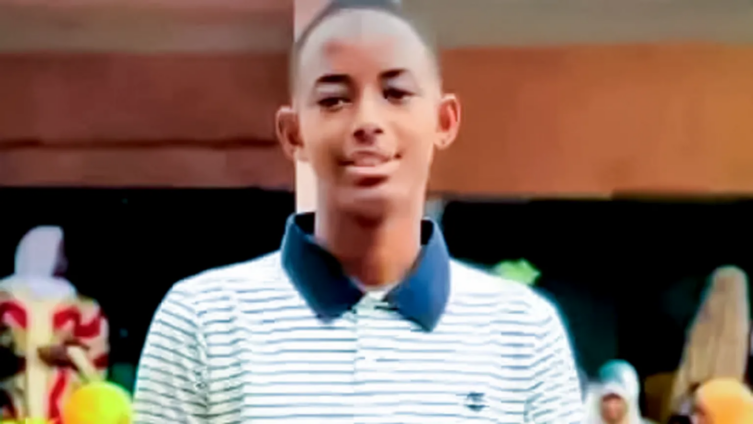
The death of a 17-year-old Guinean student with sickle cell disease after being jailed for allegedly cheating in a national examination has ignited demands for an independent investigation, raising fresh concerns over the treatment of vulnerable detainees and the criminalisation of academic misconduct.
Mamadou Djouma Bah, a social sciences student, died days after being arrested during Guinea’s national baccalaureate examinations for allegedly using a mobile phone. His father, Mamadou Saliou Bah, has accused authorities of failing to provide adequate medical care while his son was in custody.
Speaking to the BBC, the grieving father said his son deteriorated rapidly after being imprisoned in Kindia, about 137 kilometres north-east of Conakry. He recalled his son’s final moments in hospital, where the teenager reportedly struggled to breathe before telling him: “Dad, I’m dying.”
According to prosecutors, Bah’s health worsened while in prison, prompting his transfer to hospital, where he later died under medical supervision after being discharged.
Bah had been sentenced to six months in prison, with five months suspended, after being convicted of examination fraud. He was serving the remaining one-month custodial sentence when his condition deteriorated.
The case has intensified scrutiny of Guinea’s justice system and prison healthcare, particularly regarding detainees with chronic illnesses. Sickle cell disease, which is prevalent across Africa, can cause severe pain crises, anaemia and life-threatening complications if not managed promptly with hydration, medication and specialist medical care.
Human rights organisations have called for an independent investigation into the teenager’s death and questioned the decision to imprison students accused of examination malpractice.
Public anger has also spilled onto the streets, with students staging demonstrations demanding the release of classmates who remain in detention over the same alleged cheating incident.
Guinea’s Education Minister, Alpha Bacar Barry, expressed condolences to the family, saying he was “deeply saddened” by the teenager’s death.
For Mamadou Saliou Bah, however, sympathy alone is insufficient. He is urging authorities to investigate the circumstances surrounding his son’s death and release the remaining detained students before, as he warned, “they too lose their lives.”
The tragedy has reignited debate over whether custodial sentences are an appropriate response to examination offences, especially where vulnerable young people with underlying medical conditions are involved.
Written by
Liwalmor M-Moadan
M-Moadan is dedicated journalist committed to delivering accurate, timely, and impactful news. Passionate about uncovering the facts, telling meaningful stories, and keeping the public informed with integrity and professionalism.
Related Stories

8,295 WASSCE Candidates Hit by Result Cancellations: What Is Went Wrong?
The release of Ghana’s 2026 West African Senior School Certificate Examination (WASSCE) results has brought relief to thousands of students. Yet behind the...

50 Things Every Young Ghanaian Should Know About Money
Money is one of the most important life skills every young Ghanaian needs—but unfortunately, financial education is rarely taught in school. You can spend...

GRA Drops Major Clarification on Travelers Carrying Multiple Phones Into Ghana — The “2 Phones” Rule Was Never Automatic
GRA Drops Major Clarification on Travellers Carrying Multiple Phones Into Ghana The “2 Phones” Rule Was Never Automatic Accra, Ghana — September 4, 2026: If...
Comments (0)
No comments yet. Be the first to share your thoughts.