Ghana Revives Road Tolls Through 20-Year Digital PPP to Bolster Infrastructure Funding
Liwalmor M-Moadan
Journalist
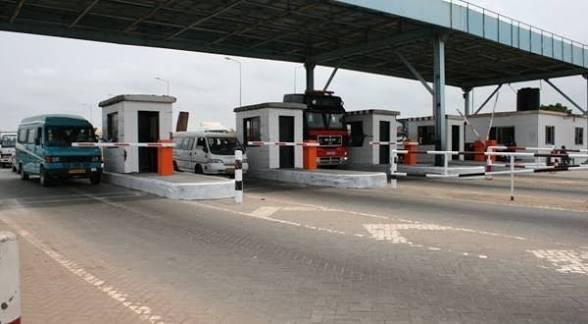
Ghana’s Parliament has approved a 20-year public-private partnership (PPP) concession to reintroduce road and bridge tolls through a fully electronic collection system, marking a significant shift in the country’s infrastructure financing strategy as the government seeks to secure a more sustainable source of funding for road development.
The concession, between the Ministry of Roads and Highways and a Special Purpose Vehicle (SPV) to be established by Rock Africa Limited, will replace the manual toll collection regime suspended in 2021 with a nationwide digital platform designed to automate payments, curb revenue leakages and improve traffic flow.
The move represents a return to the user-pays principle at a time when fiscal pressures continue to constrain public investment in transport infrastructure. By leveraging private capital and technology under a long-term concession, the government aims to reduce reliance on the national budget while creating a predictable revenue stream for road maintenance and expansion.
The electronic tolling system is expected to eliminate long queues that characterised the previous manual collection process, allowing motorists to travel uninterrupted while toll charges are processed digitally and billed electronically.
The parliamentary approval followed debate over the economic justification for reinstating tolls. Former Defence Minister and Bimbilla MP Dominic Nitiwul defended the Akufo-Addo administration’s decision to abolish road tolls in November 2021, arguing that the policy was intended to shield motorists from the combined burden of road tolls and the Electronic Transfer Levy (E-Levy) during a period of economic strain.
Despite defending the earlier policy, Mr Nitiwul endorsed the new digital model, describing electronic tolling as a practical and efficient alternative to the former cash-based system. He noted that automated collection technology, similar to systems used in South Africa, would enable seamless travel while ensuring toll revenues are collected more efficiently.
The concession establishes the legal framework for private-sector participation in financing, designing, operating and maintaining Ghana’s electronic tolling infrastructure over the next two decades. The arrangement is expected to accelerate the deployment of digital transport infrastructure while shifting significant operational responsibilities to the private sector.
For investors, the agreement signals renewed momentum in Ghana’s PPP programme and underscores the government’s intention to mobilise private capital for infrastructure development amid constrained fiscal space. A stable, technology-driven tolling system could also improve revenue predictability, supporting future investments in highways, bridges and other strategic transport assets.
The approval marks one of the country’s most significant transport financing reforms in recent years, positioning digital tolling as a cornerstone of Ghana’s long-term infrastructure strategy while balancing the need for improved road funding with greater efficiency and convenience for motorists.
Written by
Liwalmor M-Moadan
M-Moadan is dedicated journalist committed to delivering accurate, timely, and impactful news. Passionate about uncovering the facts, telling meaningful stories, and keeping the public informed with integrity and professionalism.
Related Stories
Nvidia Buys Hugging Face in Nearly $13 Billion AI Mega Deal
Nvidia has agreed to acquire artificial intelligence platform Hugging Face for $12.93 billion, marking a major expansion beyond its core chip business and...

How AI Agents Could Transform African Businesses
Artificial intelligence is no longer just a technology used to write emails, generate images or answer questions. A new phase is emerging: AI agents—systems...

Why Young People’s Attention Span Is Dropping in the Social Media World
For many young people today, staying focused on one thing for a long period has become increasingly difficult. A student may sit down to study, open a...
Comments (0)
No comments yet. Be the first to share your thoughts.