Ghana’s Youth Boom Faces Jobs Crisis as Unemployment Climbs to 21.9% – GSS
Liwalmor M-Moadan
Journalist
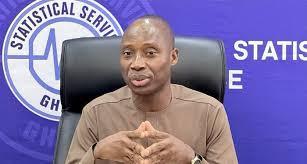
Ghana’s expanding youth population is rapidly becoming one of the country’s greatest economic opportunities—and one of its most pressing policy challenges—as unemployment among young people has surged to 21.9%, almost double the national average, according to the latest assessment by the Ghana Statistical Service (GSS).
Released to commemorate World Population Day, the report shows that young people aged 15 to 35 now constitute 36.9% of Ghana’s population, up from 34.6% in 2000. While this demographic shift positions Ghana to benefit from a larger workforce and stronger long-term economic growth, the Statistical Service warns that the country risks squandering this advantage unless it creates sustainable employment and equips young people with market-relevant skills.
Ghana’s population has expanded from 18.9 million in 2000 to 30.8 million in the 2021 Population and Housing Census, with projections placing the population at 33.7 million in 2025. The growing youth cohort offers the potential for a demographic dividend, but only if supported by quality education, healthcare and productive employment.
The report paints a stark picture of the labour market. While the national unemployment rate averaged 12.8% during the first three quarters of 2025, unemployment among young people reached 21.9%, highlighting the widening disconnect between the country’s expanding labour force and its capacity to generate jobs.
Regional disparities remain pronounced. Greater Accra recorded the highest youth unemployment rate at 31.9%, followed by the Central Region at 27.4% and the Ashanti Region at 27.2%, underscoring growing pressure in urban and regional labour markets.
The challenge extends beyond unemployment. Nearly two million young Ghanaians—representing 19.5% of the youth population—were classified as Not in Education, Employment or Training (NEET) by the third quarter of 2025. Economists warn that prolonged detachment from both education and work can reduce lifetime earnings, weaken productivity and increase long-term fiscal pressures.
The GSS also highlighted broader social factors affecting youth development. Data from the 2022 Ghana Demographic and Health Survey showed that 15% of girls aged 15–19 had experienced pregnancy, while 11% had already given birth, trends that continue to interrupt education and reduce labour-force participation, particularly among young women.
The Statistical Service argues that addressing the crisis requires more than temporary employment schemes. It called for stronger investment in technical and vocational education and training (TVET), improved school-to-work transition programmes, expanded entrepreneurship support and closer collaboration between educational institutions and industry to reduce persistent skills mismatches.
It further identified agribusiness, manufacturing, construction, digital services, tourism and the creative economy as sectors capable of absorbing Ghana’s growing workforce, provided they receive adequate investment, infrastructure and access to finance.
The report also cautioned that employment quality matters as much as employment quantity. A significant proportion of young workers remain trapped in informal, low-productivity jobs that offer limited income security and little social protection, limiting the economic gains associated with a true demographic dividend.
The GSS concluded that Ghana has already secured the demographic conditions for long-term growth. The decisive question, it said, is whether policymakers and the private sector can create the institutions, skills and employment opportunities needed to transform the country’s youthful population into a driver of sustained economic prosperity rather than a growing development burden.
Written by
Liwalmor M-Moadan
M-Moadan is dedicated journalist committed to delivering accurate, timely, and impactful news. Passionate about uncovering the facts, telling meaningful stories, and keeping the public informed with integrity and professionalism.
Related Stories

Ghana’s Gold Revolution: Can Refining Gold at Home Finally Keep More of the Country’s Wealth in Ghana?
For generations, Ghana has drawn enormous wealth from beneath its soil, yet much of the value created from that wealth has flowed beyond its borders. Now,...
GoldBod Targets $1.4bn as BoG Reduces September Dollar Sales
The Bank of Ghana (BoG) has sharply reduced the amount of foreign exchange it plans to supply to the market in September 2026. Market data indicate that the...

Four CIIG Awards Strengthen Enterprise Insurance’s Leadership Position
Enterprise Insurance emerged as the most successful company at the sixth Chartered Insurance Institute of Ghana (CIIG) Awards, securing four major honours at...
Comments (0)
No comments yet. Be the first to share your thoughts.