Global South Must turn independence into Economic strength - Prof. Opoku-Agyemang
Sarah
Senior Reporter
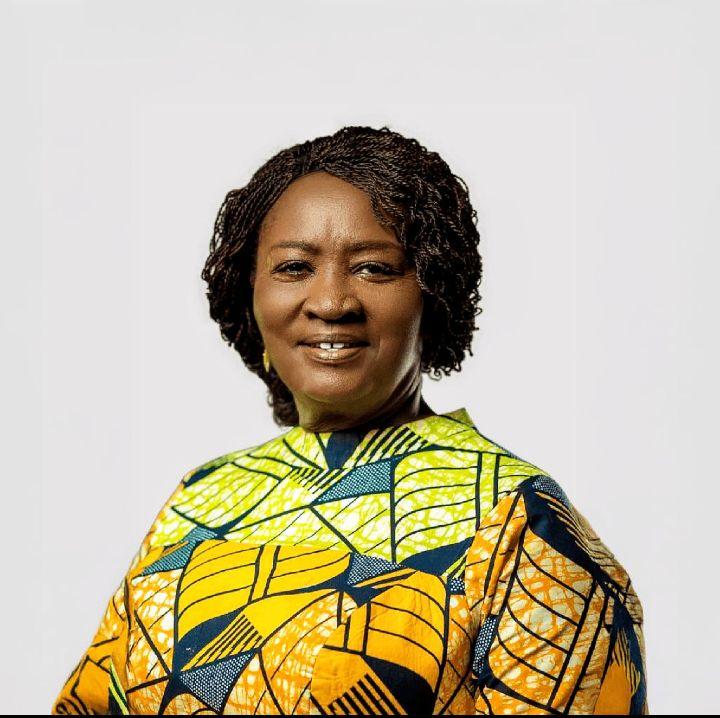
Ghana’s Vice President, Professor Jane Naana Opoku-Agyemang, has urged developing countries to focus on building stronger economies and institutions to make their political independence meaningful to their citizens.
She made the call on 17th October,Saturday at the 2026 Global South Academic Forum in Shanghai, China, where scholars, policymakers and political leaders gathered to discuss governance and modernisation in the Global South.
Speaking on the theme, “Global South Political Parties: Governance and Modernisation,” the Vice President said the struggle for independence was only the beginning of a broader responsibility to improve people's lives through effective leadership and economic development.
She drew attention to the vision of Ghana’s first President, Osagyefo Dr Kwame Nkrumah, and other leaders who fought for the liberation of countries across the Global South. She said their efforts should inspire present-day leaders to build systems that respond to the needs of their people.
Professor Opoku-Agyemang noted that political independence alone does not guarantee good governance, reliable public services or economic progress. She stressed the need for countries to strengthen their institutions and develop productive economies.
She also called for changes to the way the international system operates, arguing that developing countries should have a stronger voice in decisions that affect their economies and future.
On global finance, she advocated reforms to ensure that lending arrangements do not place additional pressure on countries already facing economic difficulties. She also called for better representation of developing nations in international institutions, including the United Nations, the International Monetary Fund and the World Bank.
The Vice President further highlighted climate justice, saying international climate policies should take account of the different economic conditions of countries, particularly those still working to reduce poverty.
Turning to China’s development experience, she recognised the country's progress through long-term planning, industrialisation and poverty reduction. However, she cautioned that countries should learn from one another without assuming that the same approach would work everywhere.
She emphasised that international cooperation should allow countries to maintain their individual positions while learning from one another's experiences.
Her remarks placed the responsibility for development on both national leadership and the international system, highlighting the need for developing countries to strengthen their domestic institutions while seeking fairer conditions in global decision-making.
The forum provided a platform for discussions on how political parties and governments across the Global South can improve governance and pursue development that meets the expectations of their citizens.
Written by
Sarah
Serah is a committed reporter who is keen on accurate delivering, timely, and impactful news. Passionate about uncovering the facts, telling meaningful stories, and keeping the public informed with integrity and professionalism.
Related Stories
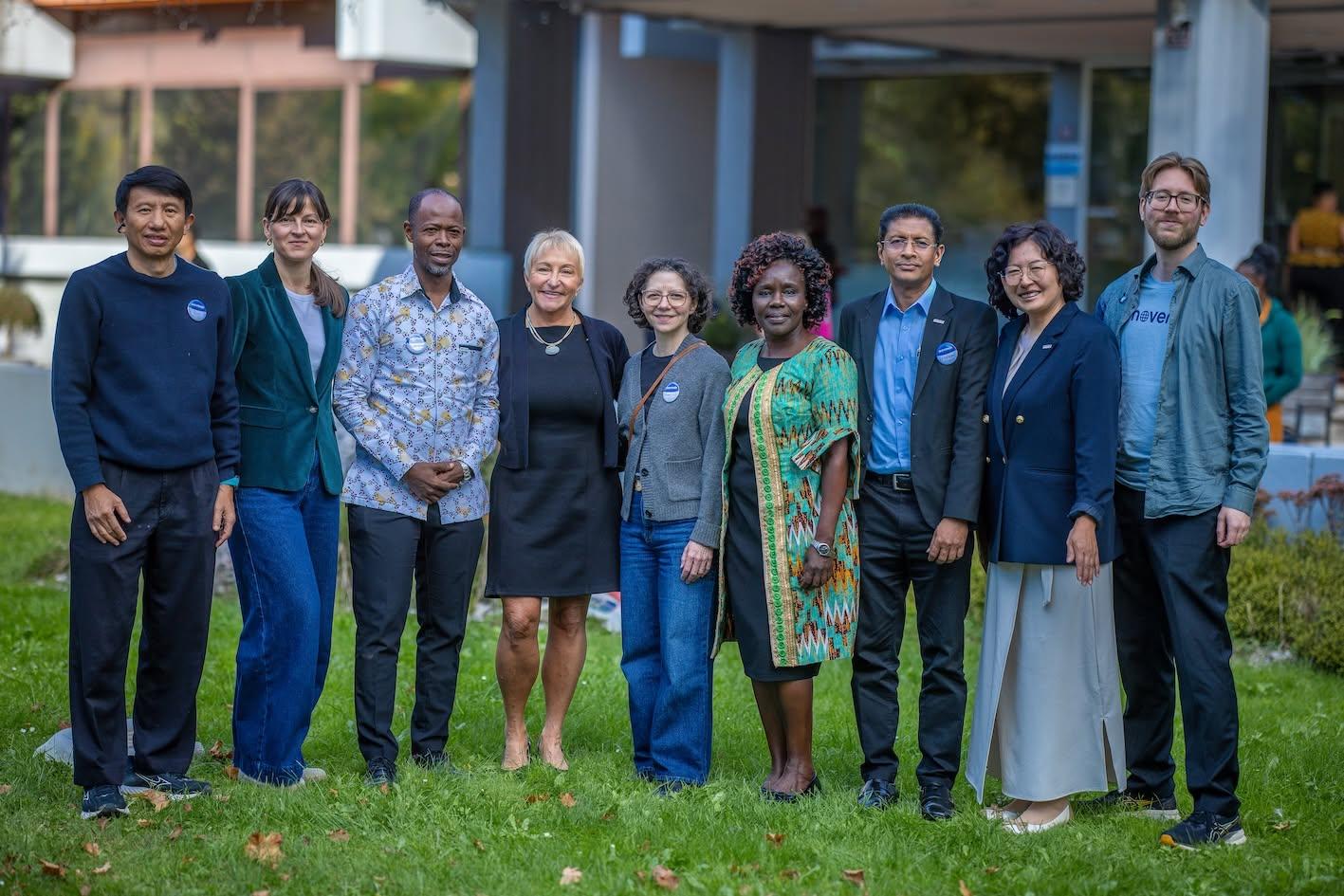
Executive Director of VAST Ghana secures his second term on Movendi international Board
Mr Labram Musah Massawudu, Executive Director of Vision for Accelerated Sustainable Development Ghana (VAST Ghana), has been re-elected to the International...
Executive Director of VAST Ghana secures his second term on Movendi International Board of
Mr.Labram Musah Massawudu, Executive Director of Vision for Accelerated Sustainable Development Ghana (VAST Ghana), has been re-elected to the International...
Executive Director of VAST Ghana wins second term on Movendi International Board
Mr. Labram Musah Massawudu, Executive Director of Vision for Accelerated Sustainable Development Ghana (VAST Ghana), has been re-elected to the International...
Comments (0)
No comments yet. Be the first to share your thoughts.