GNAPS compiles nationwide dossier on alleged BECE result discrepancies as pressure mounts on WAEC
Liwalmor M-Moadan
Journalist
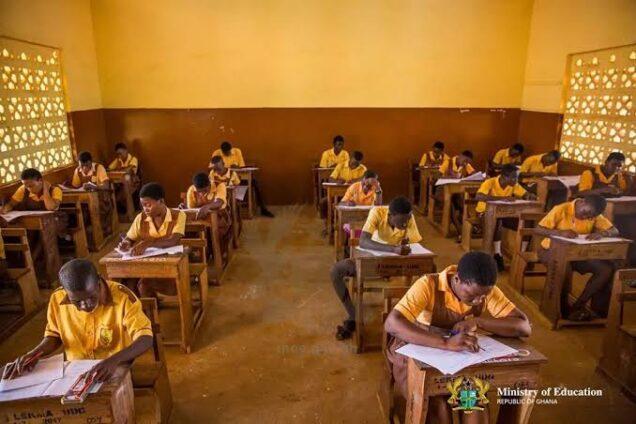
The Ghana National Association of Private Schools (GNAPS) is compiling what it describes as a comprehensive body of evidence on alleged discrepancies in the 2026 Basic Education Certificate Examination (BECE) results, as concerns from schools, parents and candidates spread across the country.
The initiative marks a coordinated effort by the private education sector to document reported irregularities before formally engaging the West African Examinations Council (WAEC), which has maintained that it is prepared to investigate any complaints backed by credible evidence.
According to GNAPS, its nationwide network of district, zonal and regional executives has been mobilised to collect reports from affected schools, with the objective of presenting WAEC with a structured and verifiable account of the concerns that have emerged since the release of this year’s examination results.
Speaking on Joy FM’s Super Morning Show, GNAPS Communications and Partnership Manager, Eredion Gien Joseph, said the Association had already begun gathering information but chose to issue an initial public statement because of the urgency surrounding the matter.
“We are compiling all the concerns. It is only the necessity of time that prompted us to issue the statement while we are still working on that process,” he said.
The Association indicated that the exercise extends beyond isolated complaints and seeks to determine whether the reported issues point to broader systemic challenges in the processing or publication of examination results.
Mr Gien Joseph suggested that reports have emerged from multiple parts of the country, reinforcing the need for a coordinated review rather than treating each complaint as an isolated incident.
“As to the numbers that are concerned, it is all across the entire country,” he added.
If substantiated, the allegations could have significant implications for public confidence in Ghana’s national examination system. The BECE remains one of the country’s most consequential assessments, determining placement into senior high schools and shaping educational pathways for thousands of students each year. Consequently, even a limited number of errors can generate widespread anxiety among candidates, parents and educational institutions.
GNAPS has cited a range of reported anomalies, including candidates allegedly receiving grades in subjects they did not register for, examination outcomes that appear inconsistent with students’ known academic performance, and other apparent discrepancies requiring clarification.
At this stage, however, the Association has stopped short of concluding that the reported cases reflect widespread administrative failures. Instead, it says its priority is to verify every complaint before submitting the findings to WAEC, a move intended to ensure that any engagement with the examination body is supported by evidence rather than speculation.
That measured approach could prove critical in preserving the credibility of any subsequent review process. Educational assessment experts generally emphasise that examination systems must balance accuracy with procedural fairness, particularly when dealing with allegations that may affect thousands of candidates.
Mr Gien Joseph stressed that the Association’s objective is not to undermine WAEC but rather to strengthen confidence in the integrity of Ghana’s examination framework.
“Perceptions come to build the image. And image builds credibility. If these perceptions are coming up, they’re tainting the image of the council. It should be of concern to the council to correct some of these perceptions,” he said.
His comments underscore a broader institutional challenge. Public confidence is central to the effectiveness of any national examination authority. Even where technical errors are ultimately found to affect only a small proportion of candidates, delayed responses or inadequate communication can erode trust in the assessment process and create uncertainty among stakeholders.
For WAEC, the issue extends beyond correcting individual results. The Council must also reassure the public that its quality assurance mechanisms remain robust and capable of identifying and resolving any genuine anomalies.
The examination body has responded by reiterating that it is willing to investigate all legitimate complaints supported by evidence. WAEC has encouraged affected schools and candidates to utilise its established review and verification procedures, signalling that the existing appeals framework remains the appropriate channel for resolving disputes.
The coming weeks are therefore likely to be crucial. If GNAPS submits a substantial body of documented cases, WAEC may face increased pressure to conduct broader technical reviews or provide more detailed explanations regarding its marking, grading and result processing systems.
For schools, the priority remains ensuring that students who may have been adversely affected receive timely clarification before the next stages of the school placement process. Delays in resolving disputed results could create uncertainty for candidates preparing to transition into senior high school.
The episode also highlights the growing importance of transparency in educational governance. As examination systems become increasingly digitised, stakeholders are demanding greater visibility into verification processes, data integrity safeguards and mechanisms for correcting potential errors.
Whether the reported discrepancies ultimately prove to be isolated administrative issues or reveal wider operational concerns, the coordinated evidence-gathering exercise by GNAPS is likely to shape the national conversation on examination accountability and quality assurance. The outcome of WAEC’s response will be closely watched not only by affected candidates and schools but also by policymakers seeking to preserve confidence in one of Ghana’s most important educational institutions.
Written by
Liwalmor M-Moadan
M-Moadan is dedicated journalist committed to delivering accurate, timely, and impactful news. Passionate about uncovering the facts, telling meaningful stories, and keeping the public informed with integrity and professionalism.
Related Stories

8,295 WASSCE Candidates Hit by Result Cancellations: What Is Went Wrong?
The release of Ghana’s 2026 West African Senior School Certificate Examination (WASSCE) results has brought relief to thousands of students. Yet behind the...

50 Things Every Young Ghanaian Should Know About Money
Money is one of the most important life skills every young Ghanaian needs—but unfortunately, financial education is rarely taught in school. You can spend...


GRA Drops Major Clarification on Travelers Carrying Multiple Phones Into Ghana — The “2 Phones” Rule Was Never Automatic
GRA Drops Major Clarification on Travellers Carrying Multiple Phones Into Ghana The “2 Phones” Rule Was Never Automatic Accra, Ghana — September 4, 2026: If...
Comments (0)
No comments yet. Be the first to share your thoughts.