Immigrants Punch Above Their Weight in South Africa’s Economy, Study Finds
Liwalmor M-Moadan
Journalist
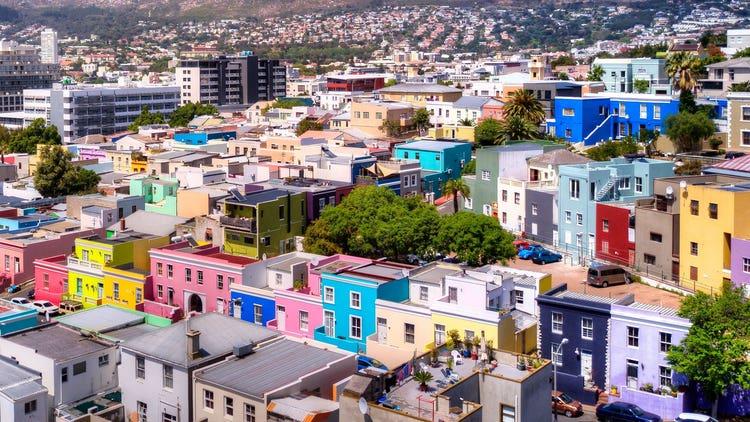
Immigrants account for just 6.5% of South Africa’s population but generate an estimated 9% of the country’s gross domestic product (GDP), according to a new report that challenges long-held claims that foreign nationals are a burden on Africa’s largest industrial economy.
The study, jointly conducted by the Institute for Security Studies (ISS) and the University of Johannesburg, argues that poor governance, corruption and weak public institutions—not immigration—remain the principal drivers of South Africa’s socio-economic challenges.
Researchers estimate that corruption drains about R27 billion annually from the economy, an amount exceeding one-third of the country’s 2021/22 national health budget, underscoring the scale of governance failures relative to the perceived impact of migration.
The report also disputes widely circulated claims about the size of South Africa’s immigrant population. It estimates there are approximately 3.95 million immigrants, representing 6.5% of the population, despite surveys showing many South Africans believe the figure is several times higher.
Economically, the findings suggest migrants contribute disproportionately to national output. Immigrants make up 5.3% of the labour force, while the report estimates that each immigrant worker supports roughly two jobs for South African citizens, resulting in a positive net contribution to both employment and public finances.
The researchers caution that misinformation has fuelled rising hostility towards foreign nationals. Since 1994, South Africa has recorded more than 930 xenophobic attacks, leading to over 630 deaths, the displacement of more than 123,000 people, and the looting of nearly 4,850 businesses.
According to the report, public perceptions often diverge sharply from available evidence. While 66% of South Africans believe immigrants contribute significantly to crime, official data indicate undocumented foreigners account for only a small share of prison inmates and criminal convictions.
The study concludes that political rhetoric has increasingly shifted public frustration over unemployment, inequality and failing public services towards migrants, rather than addressing structural governance shortcomings. It argues that strengthening institutions, improving border management and tackling corruption would have a far greater impact on South Africa’s long-term economic and social stability than scapegoating immigrants.
Written by
Liwalmor M-Moadan
M-Moadan is dedicated journalist committed to delivering accurate, timely, and impactful news. Passionate about uncovering the facts, telling meaningful stories, and keeping the public informed with integrity and professionalism.
Related Stories
HIGHCO POSTS 22.5% Q3 GROWTH AS FRANCE ANCHORS PERFORMANCE
French data marketing company HighCo has reported a 22.5 per cent increase in gross profit for the third quarter of 2026, supported largely by its recent...

FRANCE COUNTS THE COST OF NATIONWIDE PROTESTS AFTER HISTORIC TOWN HALL FIRE
PARIS, France — October 19, 2026 French authorities are assessing the damage caused by nationwide demonstrations that turned destructive on Saturday, October...

PUTIN MEETS TRUMP ENVOYS: IS UKRAINE FINALLY MOVING CLOSER TO PEACE
A new diplomatic effort to end the Russia-Ukraine war has placed peace negotiations back in the international spotlight after months of stalled progress. On...
Comments (0)
No comments yet. Be the first to share your thoughts.