KPMG urges phased tax reform rollout to safeguard Ghana’s fiscal gains
Liwalmor M-Moadan
Journalist
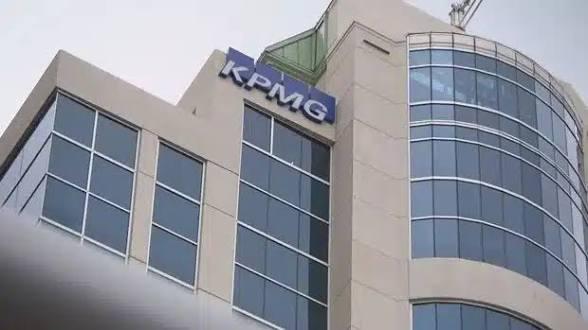
KPMG Ghana has called on the government to adopt a phased implementation strategy for the tax reforms unveiled in the 2026 Mid-Year Budget, arguing that a gradual rollout backed by technical standards and taxpayer support will improve compliance while minimising disruption to businesses.
The auditing and advisory firm said reforms such as the nationwide deployment of Fiscal Electronic Devices (FEDs), the introduction of a VAT Reward Scheme and plans to collect VAT from non-resident digital platforms have the potential to broaden Ghana’s tax base and create a fairer competitive environment. However, it cautioned that success would depend on careful execution.
Speaking during KPMG’s analysis of the Mid-Year Budget, Tax Partner Justina Amartei-Kwei said businesses would need adequate time to prepare their systems for new compliance requirements, including point-of-sale integration, invoice sequencing, product coding, reconciliations, data retention and incident management.
She urged the government to accompany the reforms with clear technical guidelines, taxpayer education, responsive help desks and reasonable transition arrangements, stressing that technology-driven compliance succeeds only when supported by effective regulations, infrastructure and dispute resolution mechanisms.
The Finance Minister, Dr Cassiel Ato Forson, announced in the Mid-Year Budget that Ghana would accelerate tax administration reforms, including the rollout of electronic monitoring systems and the removal of the 20% excise duty on locally produced beverages as part of broader efforts to improve efficiency and stimulate economic activity.
KPMG also endorsed the government’s fiscal consolidation efforts, describing the first-half economic performance as encouraging. The firm highlighted a primary fiscal surplus of 0.9% of GDP, an overall fiscal deficit of 0.4% of GDP on a commitment basis, and gross international reserves covering about five months of imports, comfortably above programme targets.
According to Kwame Sarpong Banieh, Head of Markets and Partner at KPMG Ghana, stronger external buffers, sustained reserve accumulation, gold-related foreign exchange inflows and improved investor confidence have reinforced Ghana’s resilience against external shocks.
The firm concluded that while the country’s macroeconomic recovery remains on a positive trajectory, the long-term success of the government’s tax modernisation agenda will depend on measured implementation that balances stronger revenue mobilisation with business readiness.
Written by
Liwalmor M-Moadan
M-Moadan is dedicated journalist committed to delivering accurate, timely, and impactful news. Passionate about uncovering the facts, telling meaningful stories, and keeping the public informed with integrity and professionalism.
Related Stories

Ghana’s Gold Revolution: Can Refining Gold at Home Finally Keep More of the Country’s Wealth in Ghana?
For generations, Ghana has drawn enormous wealth from beneath its soil, yet much of the value created from that wealth has flowed beyond its borders. Now,...
GoldBod Targets $1.4bn as BoG Reduces September Dollar Sales
The Bank of Ghana (BoG) has sharply reduced the amount of foreign exchange it plans to supply to the market in September 2026. Market data indicate that the...
Four CIIG Awards Strengthen Enterprise Insurance’s Leadership Position
Enterprise Insurance emerged as the most successful company at the sixth Chartered Insurance Institute of Ghana (CIIG) Awards, securing four major honours at...
Comments (0)
No comments yet. Be the first to share your thoughts.