NPA Lifts Fuel Price Floors, Sending Diesel Up 18%
Liwalmor M-Moadan
Journalist
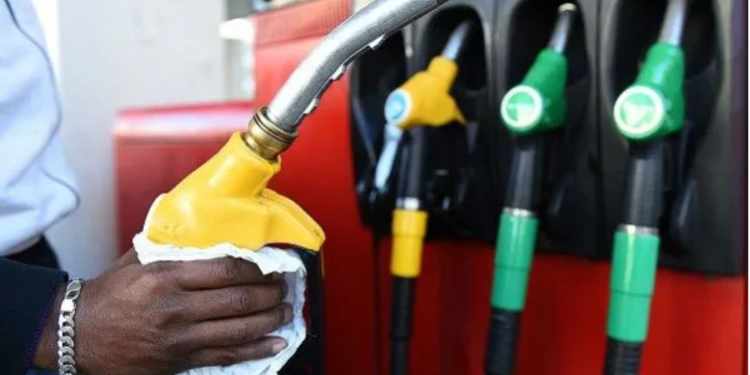
Ghanaian businesses and consumers are bracing for another round of fuel-driven cost pressures after the National Petroleum Authority (NPA) raised the minimum price floors for petrol, diesel and liquefied petroleum gas (LPG) for the first pricing window of August, with diesel recording its sharpest increase in recent times.
The revised pricing framework shows the diesel price floor climbing by 18.3%, from GH¢14.35 to GH¢16.97 per litre, while the petrol price floor increased 9.4% to GH¢14.53 per litre from GH¢13.28. LPG also rose 8.5%, with the minimum retail threshold moving to GH¢11.06 per kilogram from GH¢10.19.
The adjustment reflects mounting pressure in global energy markets and is expected to push up operating costs across key sectors of the economy. Diesel, the primary fuel for commercial transport, mining, construction, agriculture and manufacturing, is likely to have the most significant impact, potentially triggering higher freight charges, production costs and transport fares.
Although the NPA’s price floors establish the minimum retail prices that Oil Marketing Companies (OMCs) and LPG Marketing Companies must observe during the pricing window, final pump prices could be even higher. The benchmark excludes premiums paid to International Oil Trading Companies (IOTCs), margins for Bulk Import, Distribution and Export Companies (BIDECs), as well as marketers’ and dealers’ margins, all of which are determined separately under Ghana’s petroleum pricing guidelines.
The latest adjustment comes amid renewed volatility in international oil markets. Brent crude prices have strengthened following heightened geopolitical tensions involving the United States and Iran, while the weakening cedi has further increased the local currency cost of importing refined petroleum products. The Bank of Ghana’s latest economic data shows the cedi had depreciated 9.5% against the US dollar by the end of July 2026.
Economists warn that the increase in fuel prices could add fresh inflationary pressure to the economy, as higher transportation and logistics costs filter through supply chains. Businesses dependent on diesel-powered operations may face shrinking margins unless they pass on the higher costs to consumers, raising the prospect of more expensive goods and services in the weeks ahead.
The August pricing window therefore signals another challenging period for households and businesses, with fuel costs once again emerging as a major driver of economic and inflationary pressures.
Written by
Liwalmor M-Moadan
M-Moadan is dedicated journalist committed to delivering accurate, timely, and impactful news. Passionate about uncovering the facts, telling meaningful stories, and keeping the public informed with integrity and professionalism.
Related Stories

Ghana’s Gold Revolution: Can Refining Gold at Home Finally Keep More of the Country’s Wealth in Ghana?
For generations, Ghana has drawn enormous wealth from beneath its soil, yet much of the value created from that wealth has flowed beyond its borders. Now,...
GoldBod Targets $1.4bn as BoG Reduces September Dollar Sales
The Bank of Ghana (BoG) has sharply reduced the amount of foreign exchange it plans to supply to the market in September 2026. Market data indicate that the...

Four CIIG Awards Strengthen Enterprise Insurance’s Leadership Position
Enterprise Insurance emerged as the most successful company at the sixth Chartered Insurance Institute of Ghana (CIIG) Awards, securing four major honours at...
Comments (0)
No comments yet. Be the first to share your thoughts.