NUGS President Questions Why BECE Candidates Must Pay to Access Examination Results
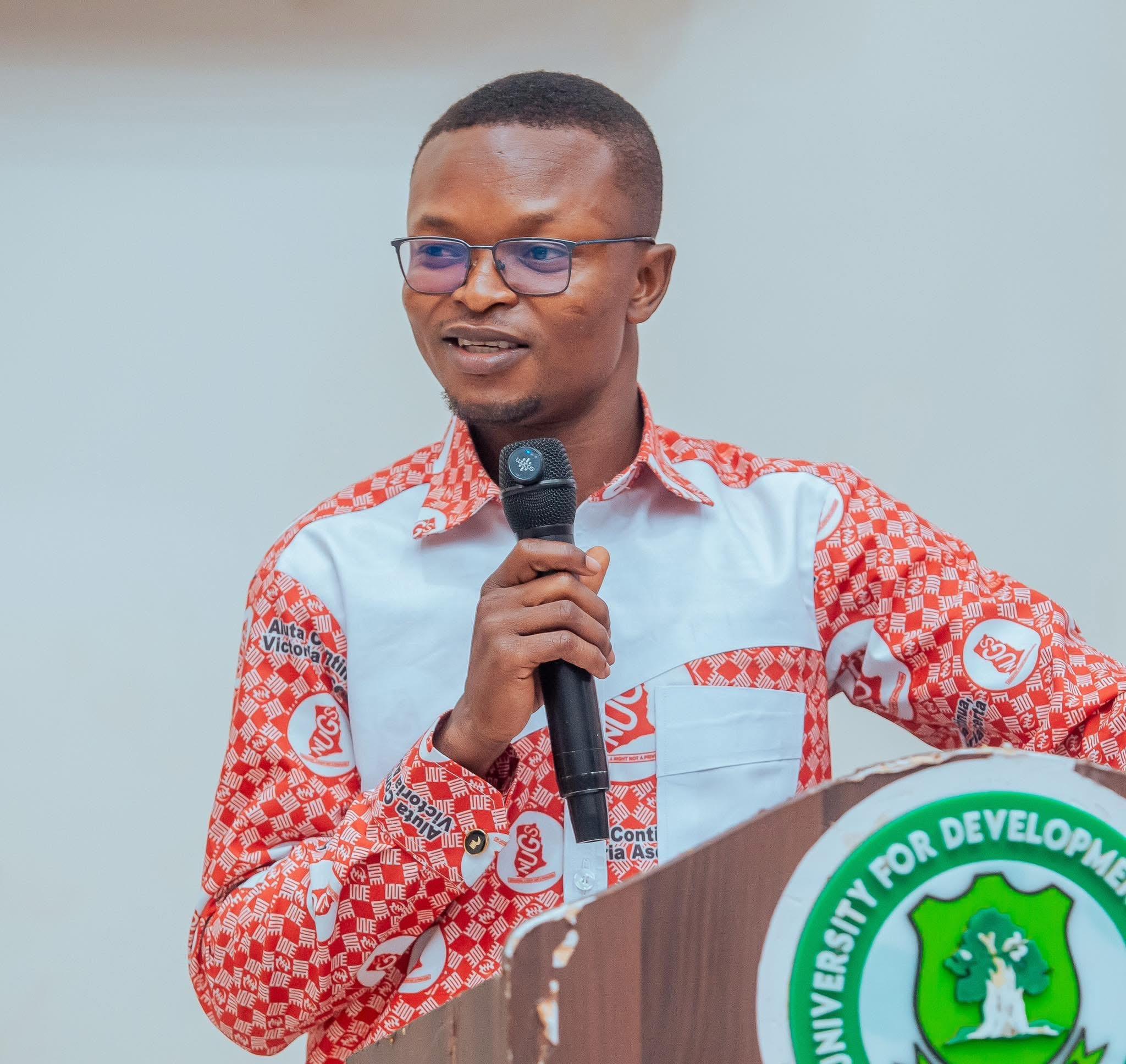
The President of the National Union of Ghana Students (NUGS), Rashid Ibrahim, has called for an end to the longstanding requirement for Basic Education Certificate Examination (BECE) candidates to purchase scratch cards to access their examination results, arguing that the practice undermines the principles of Ghana’s Free Basic Education policy.
In a statement ahead of the release of the 2026 BECE results, Mr Ibrahim questioned why students should incur an additional cost merely to view the outcome of examinations they have already completed under a publicly funded education system.
“If basic education is truly free, then access to the results of that education should not come at an additional cost,” he said, describing examination results as an integral part of the educational process rather than a premium service.
The NUGS President argued that while the cost of scratch cards may appear minimal, it presents a significant financial burden for many low-income households, particularly families with multiple candidates. He warned that requiring payment before students can access their results creates an avoidable barrier at a critical point in their educational journey.
According to Mr Ibrahim, no student should be prevented from accessing examination results because of an inability to afford a scratch card. He urged the Government, the Ministry of Education and the West African Examinations Council (WAEC) to review the current system and adopt a policy that guarantees free access to BECE results for every candidate.
He further noted that advances in digital technology provide opportunities for secure and cost-effective alternatives, including online portals and SMS-based platforms, without imposing additional financial obligations on students and their families.
The intervention adds to growing calls for reforms aimed at reducing the indirect costs associated with Ghana’s Free Basic Education programme. For many stakeholders, ensuring universal access to examination results is increasingly being viewed as a natural extension of the country’s commitment to equitable and inclusive education.
Related Stories
7 in 10 Young Ghanaians Want to Leave the Country’ — Youth Minister Sounds Alarm Over Rising Migration Aspirations
The Minister for Youth Development and Empowerment, George Opare-Addo, has raised fresh concerns over the growing desire among Ghana’s youth to seek...

NUGS Demands Probe After Police Allegedly Assault Nursing Students During Protest
The National Union of Ghana Students (NUGS) has called for an immediate investigation into the alleged assault of students of Techiman Krobo Nursing Training...

Ghana Backs UMaT’s Ahafo Expansion with GH¢50m as Mining Education Drive Accelerates
The Ghanaian government has pledged GH¢50 million through the 2027 GETFund allocation to operationalise the newly commissioned University of Mines and...
Comments (0)
No comments yet. Be the first to share your thoughts.