Parliament Locks in 70% Cocoa Export Price for Farmers as Ghana Overhauls Sector Governance
Liwalmor M-Moadan
Journalist
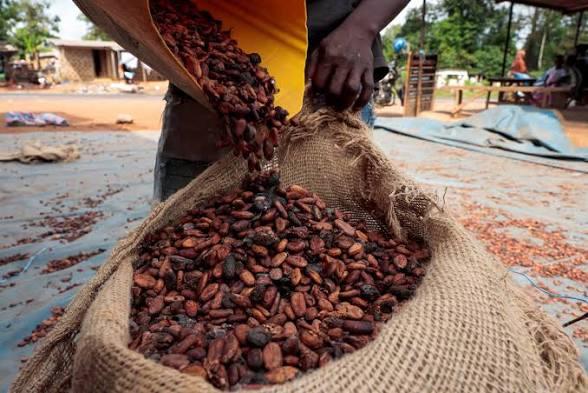
Ghana has enacted one of the most consequential reforms in its cocoa industry in decades after Parliament approved the Ghana Cocoa Board (COCOBOD) Bill, 2026, making it a legal requirement for cocoa farmers to receive at least 70% of the Free-on-Board (FOB) export price of cocoa. The legislation transforms a long-standing policy commitment into a statutory guarantee, strengthening income security for farmers while redefining the governance framework of one of the country’s most strategically important export industries.
The new law is expected to improve transparency in cocoa pricing, provide greater certainty for producers and reinforce confidence in Ghana’s cocoa value chain, which remains a major source of foreign exchange earnings and rural employment. By legally tying producer prices to international export values, policymakers hope to ensure that farmers capture a larger share of global cocoa revenues while reducing policy uncertainty surrounding annual producer price announcements.
The legislation also carries significant macroeconomic implications. Higher and more predictable farmgate incomes could encourage greater investment in cocoa production, improve farmer welfare and curb cross-border smuggling driven by price disparities with neighbouring producer countries. At the same time, the measure increases COCOBOD’s financial obligations, requiring the regulator to carefully balance farmer payments with volatile global cocoa prices, debt servicing commitments and financing needs.
For investors, lenders and commodity traders, the reform represents a shift towards a more rules-based cocoa pricing regime, potentially enhancing long-term stability across Ghana’s agricultural export sector. However, it also places greater pressure on COCOBOD’s balance sheet, making prudent financial management increasingly critical as the institution navigates fluctuating global commodity markets.
The timing of the reform is particularly notable. COCOBOD has projected that Ghana’s cocoa production will decline by at least 16% during the 2026/27 crop season, citing adverse weather conditions, disease outbreaks, ageing plantations and the cocoa tree’s natural production cycle. Against this backdrop, the income guarantee is expected to cushion farmers from production-related shocks while preserving incentives to maintain cocoa cultivation despite lower expected harvests.
Beyond farmer welfare, the legislation signals the government’s broader strategy to modernise the cocoa sector through stronger governance, improved value distribution and greater sustainability. If effectively implemented, the new legal framework could enhance Ghana’s competitiveness in the global cocoa market, strengthen export resilience and reinforce the industry’s long-term contribution to economic growth, fiscal revenues and rural livelihoods.
Written by
Liwalmor M-Moadan
M-Moadan is dedicated journalist committed to delivering accurate, timely, and impactful news. Passionate about uncovering the facts, telling meaningful stories, and keeping the public informed with integrity and professionalism.
Related Stories

Ghana’s Gold Revolution: Can Refining Gold at Home Finally Keep More of the Country’s Wealth in Ghana?
For generations, Ghana has drawn enormous wealth from beneath its soil, yet much of the value created from that wealth has flowed beyond its borders. Now,...
GoldBod Targets $1.4bn as BoG Reduces September Dollar Sales
The Bank of Ghana (BoG) has sharply reduced the amount of foreign exchange it plans to supply to the market in September 2026. Market data indicate that the...

Four CIIG Awards Strengthen Enterprise Insurance’s Leadership Position
Enterprise Insurance emerged as the most successful company at the sixth Chartered Insurance Institute of Ghana (CIIG) Awards, securing four major honours at...
Comments (0)
No comments yet. Be the first to share your thoughts.