Savings Today, Roads Tomorrow? Deloitte Warns 40% Capital Spending Gap Could Slow Ghana’s Development
Liwalmor M-Moadan
Journalist
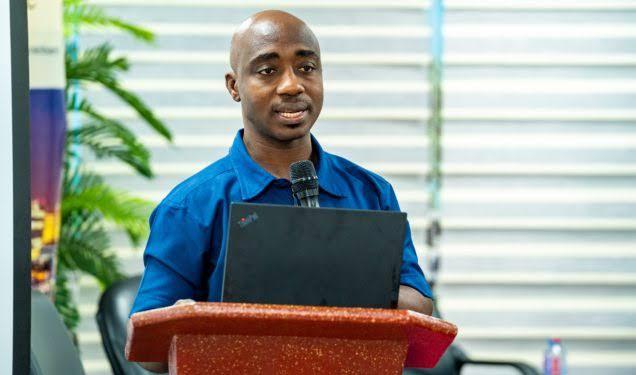
Ghana’s improving fiscal position is being tempered by a sharp slowdown in capital spending, with Deloitte warning that delays in public investment could undermine the government’s broader economic transformation agenda despite notable gains in expenditure control.
Yaw Appiah Lartey, a Partner at Deloitte, says the government’s mid-year fiscal performance presents a story of stronger fiscal discipline but weaker execution on infrastructure investment. While savings from payroll reforms and lower debt-servicing costs have strengthened the public finances, a more than 40% underspend in capital expenditure raises concerns over whether key development projects are advancing as planned.
Speaking on JoyNews’ Newsfile, Lartey observed that programme expenditure fell below budget by roughly 20%, reflecting slower-than-expected implementation of government programmes. He argued that the most significant concern lies in capital investment, where the spending gap could delay the delivery of roads, public infrastructure and other projects expected to support long-term economic growth.
The fiscal review nonetheless revealed signs of improving expenditure management. Government reportedly saved about GH¢3.4 billion through tighter payroll controls, including efforts to eliminate ghost names, while declining interest rates and improved borrowing conditions reduced interest payments by approximately GH¢6.9 billion.
Lartey described the lower financing costs as evidence of improving macroeconomic conditions but cautioned that fiscal savings alone cannot substitute for productive public investment needed to stimulate growth and expand the country’s infrastructure base.
He, however, welcomed the government’s strategy of securing financing before commencing major projects, arguing that the approach reduces the risk of abandoned or stalled infrastructure projects that have historically resulted from funding shortfalls.
Looking ahead, Lartey identified revenue mobilisation as the next critical challenge. He noted that sustaining Ghana’s fiscal recovery will depend not only on prudent spending but also on stronger domestic revenue generation capable of financing infrastructure investment without compromising macroeconomic stability.
The comments come as the government seeks to balance fiscal consolidation with its ambition to accelerate economic growth through increased public investment, placing capital expenditure at the centre of the debate over the credibility and pace of Ghana’s development agenda.
Written by
Liwalmor M-Moadan
M-Moadan is dedicated journalist committed to delivering accurate, timely, and impactful news. Passionate about uncovering the facts, telling meaningful stories, and keeping the public informed with integrity and professionalism.
Related Stories
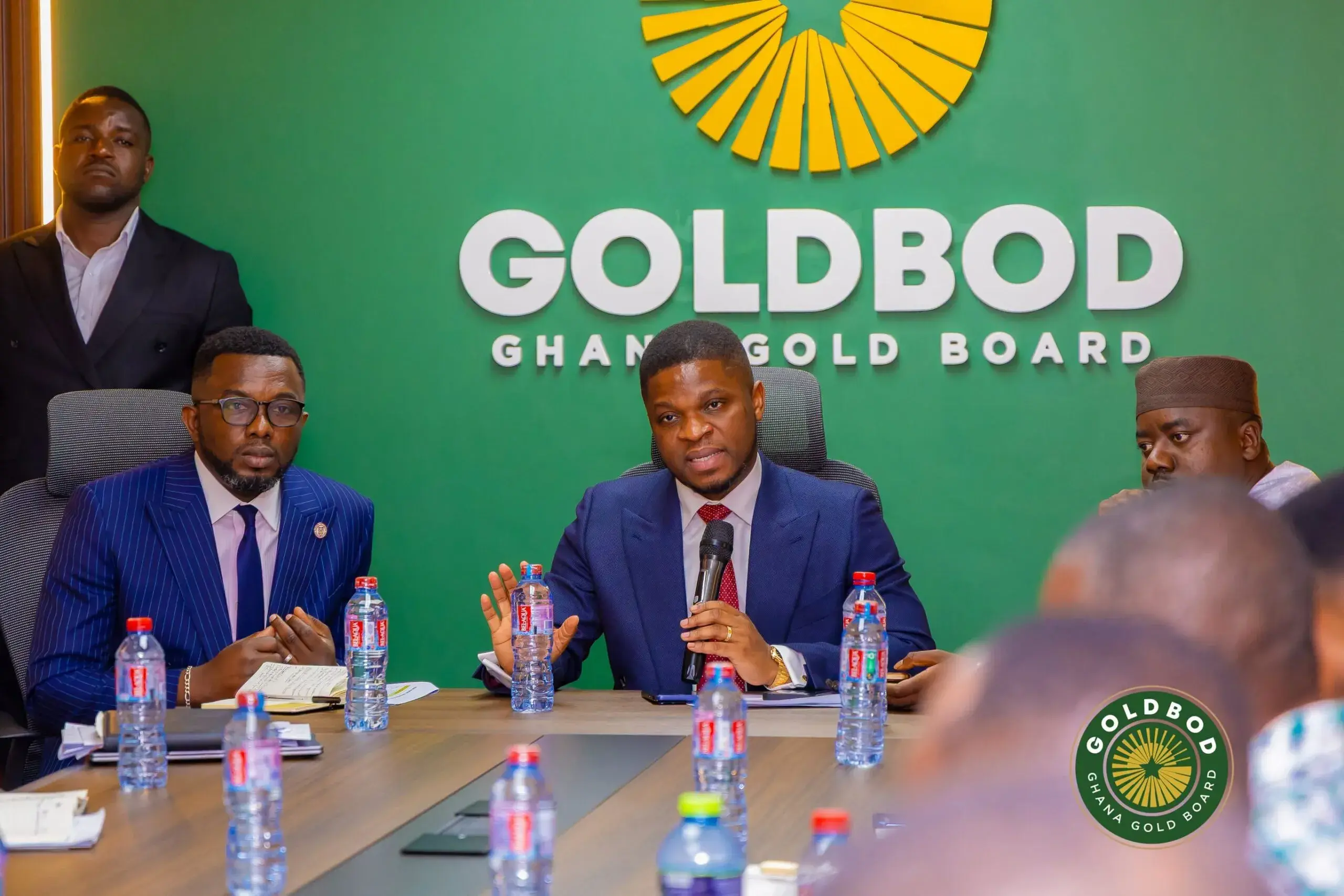
Ghana’s Gold Revolution: Can Refining Gold at Home Finally Keep More of the Country’s Wealth in Ghana?
For generations, Ghana has drawn enormous wealth from beneath its soil, yet much of the value created from that wealth has flowed beyond its borders. Now,...
GoldBod Targets $1.4bn as BoG Reduces September Dollar Sales
The Bank of Ghana (BoG) has sharply reduced the amount of foreign exchange it plans to supply to the market in September 2026. Market data indicate that the...
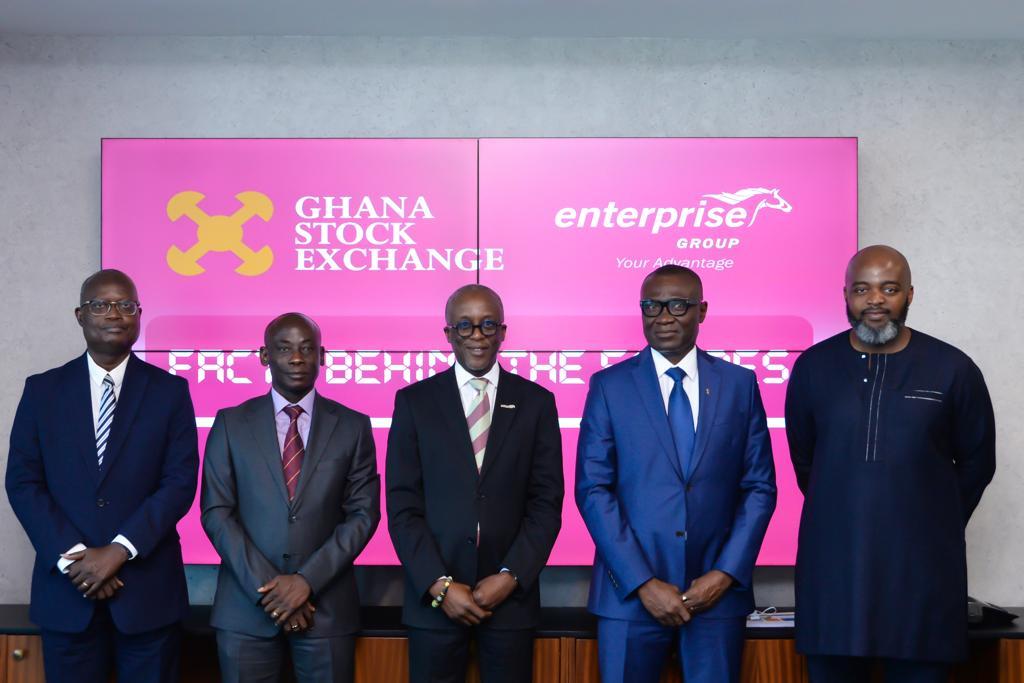
Four CIIG Awards Strengthen Enterprise Insurance’s Leadership Position
Enterprise Insurance emerged as the most successful company at the sixth Chartered Insurance Institute of Ghana (CIIG) Awards, securing four major honours at...
Comments (0)
No comments yet. Be the first to share your thoughts.