Which African Country Owes the IMF the Most? Egypt Tops the List
Liwalmor M-Moadan
Journalist
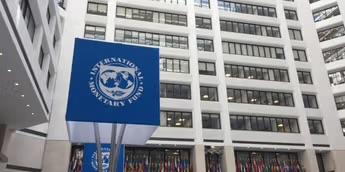
Egypt remained Africa’s largest borrower from the International Monetary Fund (IMF) in July 2026, underscoring the continued dependence of several of the continent’s largest economies on multilateral financial support as governments grapple with debt burdens, inflationary pressures and external financing constraints.
Latest IMF credit outstanding data show Egypt held approximately 6.79 billion Special Drawing Rights (SDRs) in outstanding obligations to the Fund, maintaining a sizeable lead over other African economies receiving IMF assistance.
Côte d’Ivoire ranked second with 4.14 billion SDRs, reflecting its continued access to IMF financing to support economic reforms and fiscal management. Kenya followed in third place with 2.85 billion SDRs, while Ghana placed fourth with 2.73 billion SDRs, highlighting the scale of support underpinning the country’s ongoing economic recovery programme.
The Democratic Republic of the Congo, Angola, Ethiopia, Tanzania, Zambia and Cameroon completed the list of the continent’s ten largest IMF borrowers.
The rankings illustrate the pivotal role the IMF continues to play in providing balance-of-payments support to African economies facing elevated financing needs, currency pressures and debt sustainability challenges. While Fund programmes are intended to restore macroeconomic stability and strengthen investor confidence, they also leave governments with significant repayment obligations that can constrain fiscal flexibility over the medium term.
For Ghana, the latest figures reflect the continued implementation of its IMF-supported reform programme, which has been central to restoring fiscal discipline, rebuilding international reserves and restructuring public debt following the country’s economic crisis.
Economists note that IMF financing remains an important policy tool during periods of financial distress. However, they caution that long-term economic resilience will ultimately depend on sustained domestic revenue mobilisation, stronger export competitiveness and prudent debt management to reduce reliance on external official financing.
The latest IMF data reinforce a broader trend across Africa, where multilateral lending continues to serve as a critical source of financial support even as governments seek to balance economic recovery with the imperative of restoring debt sustainability.
Written by
Liwalmor M-Moadan
M-Moadan is dedicated journalist committed to delivering accurate, timely, and impactful news. Passionate about uncovering the facts, telling meaningful stories, and keeping the public informed with integrity and professionalism.
Related Stories
Ghana’s Gold Revolution: Can Refining Gold at Home Finally Keep More of the Country’s Wealth in Ghana?
For generations, Ghana has drawn enormous wealth from beneath its soil, yet much of the value created from that wealth has flowed beyond its borders. Now,...
GoldBod Targets $1.4bn as BoG Reduces September Dollar Sales
The Bank of Ghana (BoG) has sharply reduced the amount of foreign exchange it plans to supply to the market in September 2026. Market data indicate that the...
Four CIIG Awards Strengthen Enterprise Insurance’s Leadership Position
Enterprise Insurance emerged as the most successful company at the sixth Chartered Insurance Institute of Ghana (CIIG) Awards, securing four major honours at...
Comments (0)
No comments yet. Be the first to share your thoughts.