AfDB Warns Africa’s Growth Could Be Blown Off Course by $20bn El Niño Shock
Liwalmor M-Moadan
Journalist
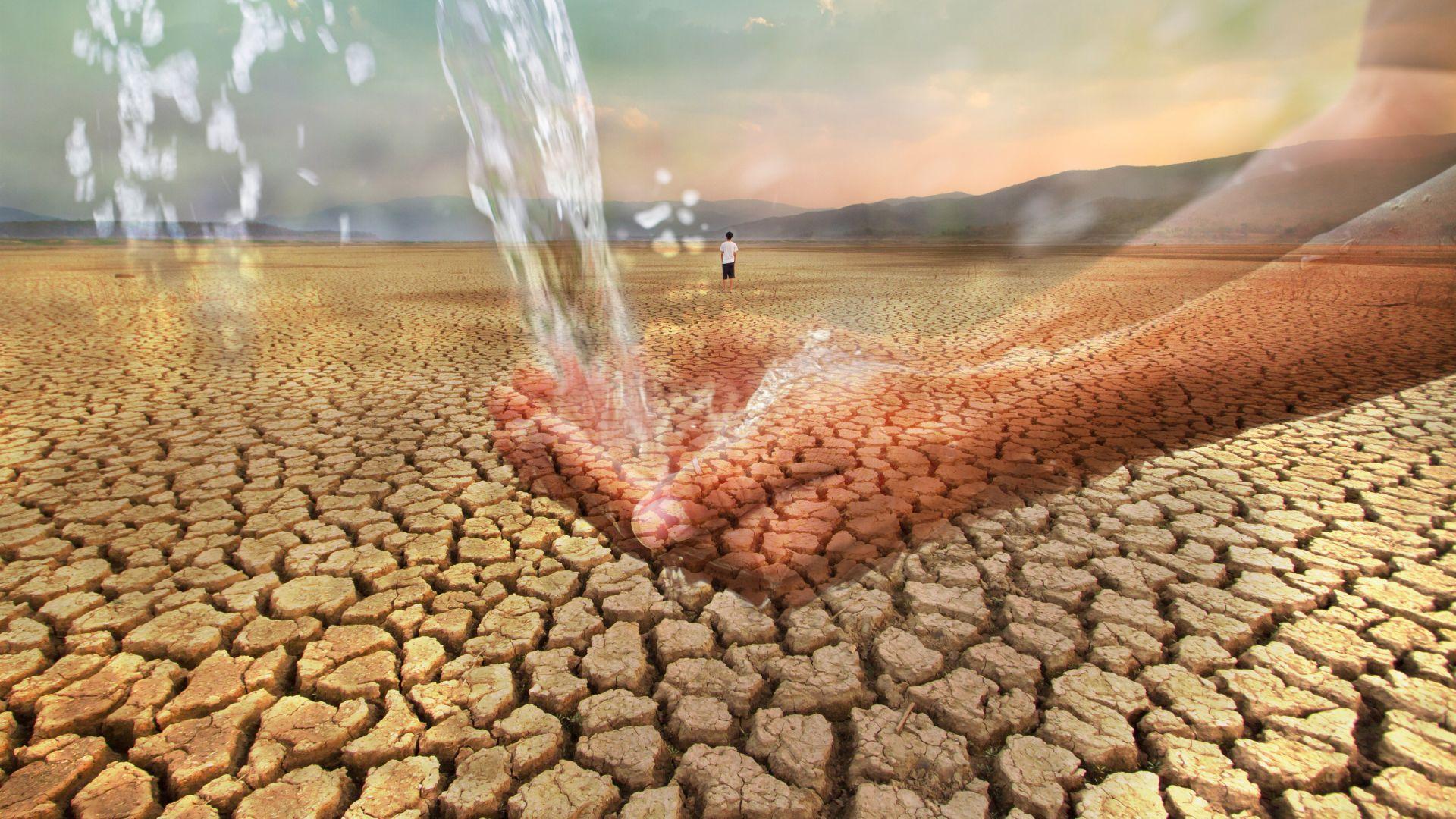
Africa’s long-awaited economic rebound is at risk of being derailed by an unusually powerful El Niño weather event, with the African Development Bank (AfDB) warning that the climate shock could erase as much as $20 billion from the continent’s economy while reversing years of development gains.
The warning paints a troubling picture for governments that have only recently begun recovering from the economic scars left by inflation, rising debt burdens and global financial instability. Instead of consolidating growth, many countries may now find themselves battling another crisis—one driven by increasingly volatile weather.
According to the AfDB, economies most exposed to the climate event could lose between 1% and 2% of GDP, translating into continent-wide economic losses of $10 billion to $20 billion. The projections come as meteorologists warn that the current El Niño system is rapidly strengthening and could become one of the most intense in decades.
Anthony Nyong, the Bank’s Director for Climate Change and Green Growth, said the financial impact would stretch far beyond immediate disaster recovery.
He warned that prolonged droughts, destructive floods and violent storms would not only reduce agricultural output but also strain national budgets, weaken banking systems and disrupt critical infrastructure, creating long-term economic consequences that extend well beyond the duration of the weather event.
For a continent where agriculture remains a major employer and economic lifeline, the threat is particularly severe.
Millions of smallholder farmers depend almost entirely on rainfall. Extended dry spells in Southern Africa and destructive flooding across parts of East Africa could slash crop yields, destroy livestock, reduce export earnings and push staple food prices even higher, worsening food insecurity for millions of households.
The AfDB estimates farmers are already facing nearly $330 million in lost income this year, with fisheries also expected to suffer as warmer ocean temperatures and severe storms disrupt marine ecosystems.
The climate shock is also expected to place governments under mounting fiscal pressure.
Countries may be forced to divert billions from education, healthcare, roads and development projects towards emergency relief, humanitarian assistance and rebuilding damaged infrastructure. Such emergency spending, the Bank cautions, risks trapping vulnerable economies in a cycle where climate disasters repeatedly consume resources meant for long-term growth.
Nyong described this growing challenge as a “climate finance trap”, where nations with limited fiscal space sacrifice future investment simply to recover from recurring climate emergencies.
Beyond the economic costs lies another growing concern—migration.
As drought destroys farmland and floods wipe out livelihoods, more families are expected to leave rural communities in search of food, jobs and safety, intensifying migration pressures within countries and across borders.
The warning comes against the backdrop of recent climate disasters across the continent. Southern Africa continues to recover from severe droughts experienced during the previous El Niño cycle, while several East African nations are still rebuilding after catastrophic flooding that displaced communities and destroyed critical infrastructure.
The World Meteorological Organization (WMO) has urged governments to accelerate disaster preparedness by strengthening early warning systems and climate forecasting to reduce the human and economic toll of extreme weather.
The latest warning also exposes a deeper global injustice. Although Africa contributes only a small share of global greenhouse gas emissions, it remains one of the regions most vulnerable to climate-related disasters.
For policymakers, the challenge is no longer simply sustaining economic growth. It is ensuring that climate resilience becomes central to development planning.
Without stronger adaptation measures and greater investment in resilient agriculture, infrastructure and disaster preparedness, the continent’s projected economic expansion could be overtaken by a climate crisis capable of reshaping growth, public finances and livelihoods for years to come.
Written by
Liwalmor M-Moadan
M-Moadan is dedicated journalist committed to delivering accurate, timely, and impactful news. Passionate about uncovering the facts, telling meaningful stories, and keeping the public informed with integrity and professionalism.
Related Stories

HIGHCO POSTS 22.5% Q3 GROWTH AS FRANCE ANCHORS PERFORMANCE
French data marketing company HighCo has reported a 22.5 per cent increase in gross profit for the third quarter of 2026, supported largely by its recent...

FRANCE COUNTS THE COST OF NATIONWIDE PROTESTS AFTER HISTORIC TOWN HALL FIRE
PARIS, France — October 19, 2026 French authorities are assessing the damage caused by nationwide demonstrations that turned destructive on Saturday, October...

PUTIN MEETS TRUMP ENVOYS: IS UKRAINE FINALLY MOVING CLOSER TO PEACE
A new diplomatic effort to end the Russia-Ukraine war has placed peace negotiations back in the international spotlight after months of stalled progress. On...
Comments (0)
No comments yet. Be the first to share your thoughts.