Senegal’s $11 Billion Debt Crisis: The Financial Storm Shaking West Africa

Sayibu Hamdaway
Writer/Financial Analyst

Senegal is confronting one of the most severe sovereign debt crises in recent African history after audits revealed that its public debt was vastly understated, pushing the country’s debt burden to about 132% of GDP by the end of 2024. The revelation of more than $11 billion in previously misreported borrowing has shaken investor confidence, complicated relations with international lenders, and forced difficult policy choices for a government already under pressure to deliver economic relief.
For years, Senegal’s public finances were assessed using official debt figures that portrayed a manageable, if elevated, debt load. That picture collapsed when new audits and investigations uncovered large liabilities that had not been properly recorded in the national accounts. The International Monetary Fund (IMF) now estimates Senegal’s public sector debt at around 132% of GDP at the end of 2024, up from earlier official figures that had suggested a significantly lower debt ratio.
The issue quickly shifted from “how much does Senegal owe?” to “can investors, citizens, and partners trust the country’s financial reporting?” The IMF suspended an earlier $1.8 billion support programme in 2024 after the misreporting surfaced, triggering bond sell-offs and multiple credit rating downgrades.
Sovereign debt may sound like a technical topic for economists, but it directly affects citizens’ lives. When a large share of government revenue goes to servicing debt, less is available for development spending on roads, hospitals, schools, and social programmes. To restore fiscal stability, governments often raise taxes, cut subsidies, or slow public investment—measures that can raise living costs and reduce access to services. The credibility of the government’s economic narrative now hinges on whether people believe that borrowed funds were used productively and are being honestly accounted for.
Perhaps the most damaging consequence of hidden debt is not the debt itself, but the loss of trust. Investors, international institutions, and citizens all rely on fiscal data to make decisions. When that information later proves incomplete or inaccurate, confidence can evaporate quickly. Restoring trust can be much harder than obtaining a loan.
Senegal’s situation should interest Ghanaians because Ghana has lived through its own debt crisis and restructuring in recent years. The lesson is familiar: sustainable development cannot be built on financial figures that citizens cannot trust. Public borrowing should be transparent, debt should be properly recorded, parliamentary oversight should be meaningful, and citizens should know what borrowed funds are being used for.
Borrowing is not inherently irresponsible; countries sometimes need debt to finance productive investments in infrastructure, energy, and human capital. The danger comes when borrowing becomes excessive, poorly managed, or hidden from public scrutiny—as Senegal’s crisis starkly illustrates.
Every financial crisis creates an opening for institutional reform. Senegal can use this moment to strengthen public financial management systems and internal controls, improve debt reporting, empower independent auditing institutions and the Court of Auditors to verify accounts regularly, increase meaningful parliamentary oversight over borrowing and spending, and make fiscal information easier for ordinary citizens to understand through plain-language reports and open data. The goal should not simply be to survive the current crisis, but to ensure that another hidden-debt episode does not emerge in the future.
Across Africa, governments face enormous development needs: roads, hospitals, schools, jobs, electricity, and digital infrastructure. Financing these needs is difficult, but development cannot be separated from accountability. Every borrowed dollar eventually has to be repaid, and when governments borrow today, future generations inherit the consequences.
Senegal’s debt crisis is ultimately a story about numbers, but also about responsibility. Financial statistics may appear distant from ordinary life, yet they determine how governments spend, influence taxes, affect investment, and shape economic opportunities. They can determine whether future generations inherit prosperity or financial constraints.
Senegal now has an opportunity to rebuild. But rebuilding will require more than money: it will demand transparency, discipline, and public trust. The IMF may provide the lifeline, but Senegal must build the recovery.
Written by
Sayibu Hamdaway
Hamdaway is a Ghanaian finance educator, investor, and content creator dedicated to making investing and personal finance easy to understand. He combines financial expertise with journalism to deliver timely business, economic, and market insights. Through engaging videos, articles, and social media content, he empowers individuals to build wealth through informed financial decisions. His mission is to help people achieve financial freedom by transforming complex financial concepts into practical, actionable knowledge.
Related Stories
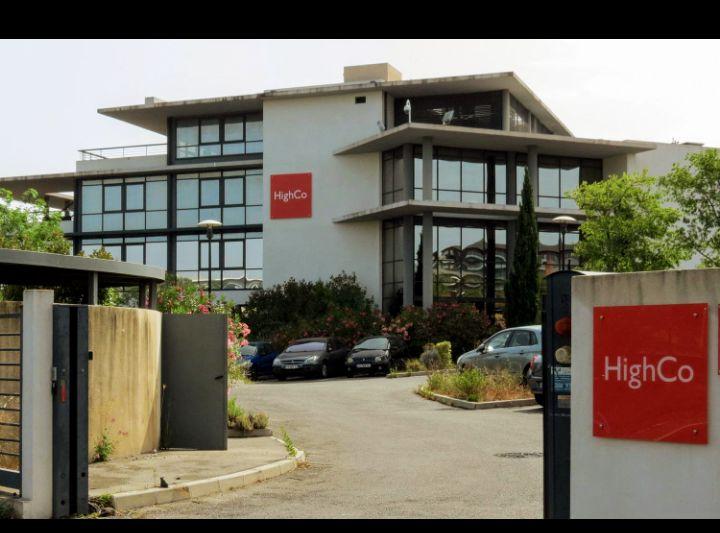
HIGHCO POSTS 22.5% Q3 GROWTH AS FRANCE ANCHORS PERFORMANCE
French data marketing company HighCo has reported a 22.5 per cent increase in gross profit for the third quarter of 2026, supported largely by its recent...
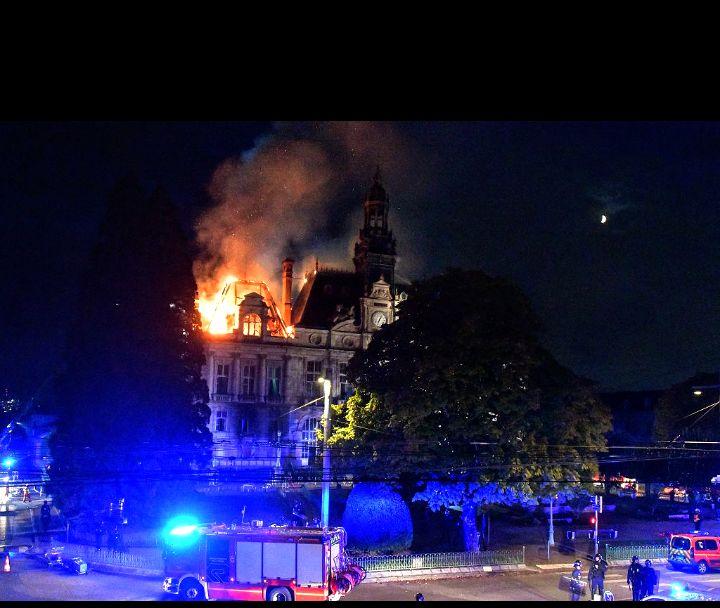
FRANCE COUNTS THE COST OF NATIONWIDE PROTESTS AFTER HISTORIC TOWN HALL FIRE
PARIS, France — October 19, 2026 French authorities are assessing the damage caused by nationwide demonstrations that turned destructive on Saturday, October...
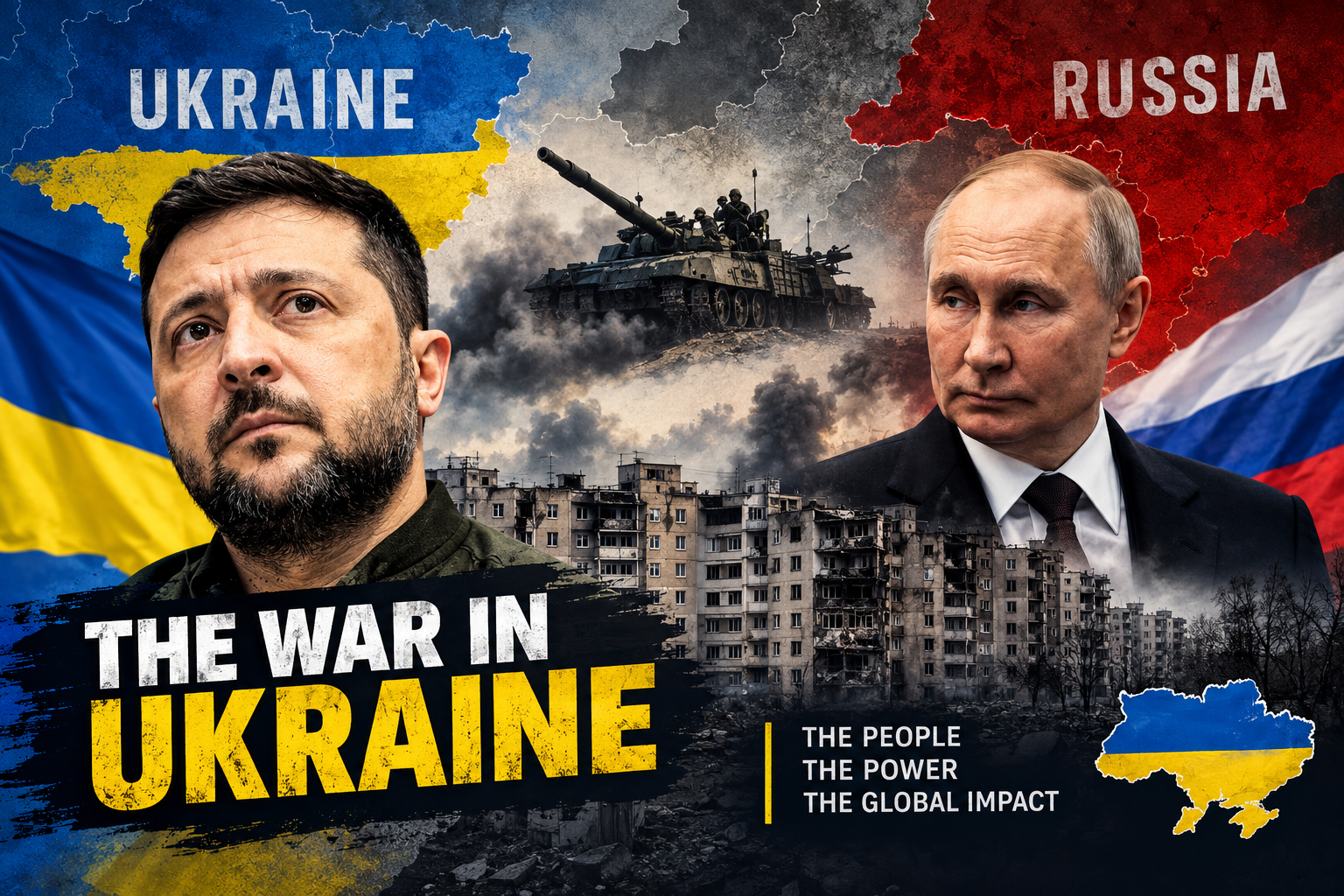
PUTIN MEETS TRUMP ENVOYS: IS UKRAINE FINALLY MOVING CLOSER TO PEACE
A new diplomatic effort to end the Russia-Ukraine war has placed peace negotiations back in the international spotlight after months of stalled progress. On...
Comments (0)
No comments yet. Be the first to share your thoughts.