Africa’s Pension Gap Forces Call for Digital Overhaul
Liwalmor M-Moadan
Journalist
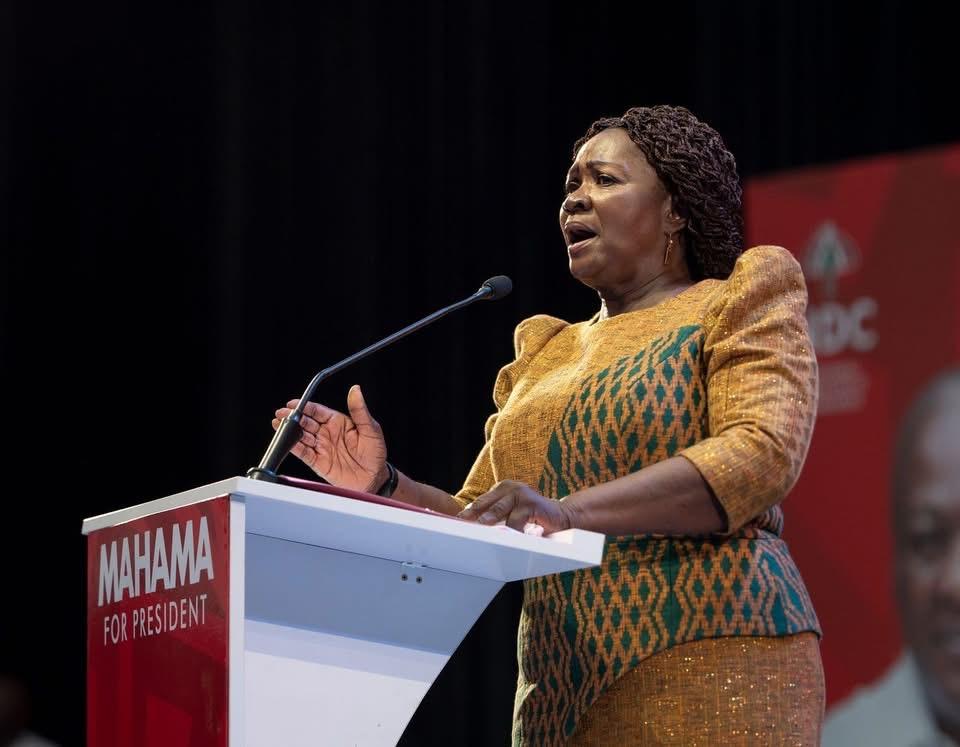
Africa must urgently redesign its pension systems to protect millions of informal workers or risk a retirement crisis as the continent’s population ages, Vice President Professor Naana Jane Opoku-Agyemang has warned.
Addressing the 2026 Annual Conference of the African Pension Supervisors Association (APSA) in Accra, the Vice President said Africa’s existing pension architecture remains ill-suited to labour markets dominated by informal employment, where nearly 85% of workers lack formal retirement protection.
Her warning comes as demographic pressures intensify. Africa’s population aged 60 and above is projected to exceed 226 million by 2050, yet pension coverage still reaches less than one-fifth of the workforce, exposing a widening gap between social protection needs and existing retirement systems.
Professor Opoku-Agyemang argued that pension models built around stable salaries and regular payroll contributions no longer reflect the realities of African economies, where workers frequently combine multiple income streams and transition between formal and informal employment.
She called for pension reforms that prioritise financial inclusion, urging governments and regulators to create flexible retirement savings mechanisms tailored to informal workers while leveraging digital technologies to expand access.
The Vice President identified digital identity systems, mobile money platforms, fintech solutions and data-driven supervision as critical tools capable of transforming pension administration, improving efficiency and rebuilding public confidence in retirement savings institutions.
However, she cautioned that expanding coverage without preserving long-term financial sustainability would undermine pension systems, stressing that success depends on achieving both broad inclusion and the ability to meet future obligations.
Beyond national reforms, she linked pension modernisation to Africa’s continental integration agenda under the African Continental Free Trade Area (AfCFTA), arguing that increased labour mobility demands stronger cross-border cooperation and portable retirement benefits that follow workers across jurisdictions.
She outlined four strategic priorities for African pension regulators: expanding pension inclusion among informal workers, embracing technology and innovation, strengthening regional cooperation on benefit portability, and improving transparency and public trust.
The conference brought together pension supervisors, policymakers and industry leaders from across the continent to examine strategies for building more inclusive, resilient and sustainable retirement systems as Africa’s workforce and demographic profile continue to evolve.
Written by
Liwalmor M-Moadan
M-Moadan is dedicated journalist committed to delivering accurate, timely, and impactful news. Passionate about uncovering the facts, telling meaningful stories, and keeping the public informed with integrity and professionalism.
Related Stories

Ghana’s Gold Revolution: Can Refining Gold at Home Finally Keep More of the Country’s Wealth in Ghana?
For generations, Ghana has drawn enormous wealth from beneath its soil, yet much of the value created from that wealth has flowed beyond its borders. Now,...
GoldBod Targets $1.4bn as BoG Reduces September Dollar Sales
The Bank of Ghana (BoG) has sharply reduced the amount of foreign exchange it plans to supply to the market in September 2026. Market data indicate that the...

Four CIIG Awards Strengthen Enterprise Insurance’s Leadership Position
Enterprise Insurance emerged as the most successful company at the sixth Chartered Insurance Institute of Ghana (CIIG) Awards, securing four major honours at...
Comments (0)
No comments yet. Be the first to share your thoughts.