GTEC Draws a Red Line Between Academia and Party Politics
Liwalmor M-Moadan
Journalist
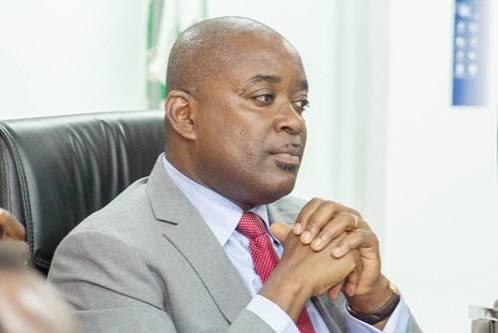
The Ghana Tertiary Education Commission (GTEC) has ordered senior leaders in public tertiary institutions to choose between holding political party executive positions and remaining in public office, marking one of the strongest regulatory interventions aimed at reinforcing political neutrality across Ghana’s higher education sector.
In a directive issued on Thursday, the Commission instructed governing councils and management of public tertiary institutions to ensure immediate compliance with existing legal provisions that prohibit public officers from simultaneously occupying executive positions within political parties.
The directive affects a broad spectrum of institutional leadership, including vice-chancellors, principals, pro vice-chancellors, vice-principals, registrars, finance directors, deans, heads of department and other senior administrators.
GTEC anchored its position on Section 26 of the Political Parties Act, 2000 (Act 574), which bars public officers from canvassing for or against political parties or candidates. The Commission argued that the restriction is designed to preserve institutional independence, prevent conflicts of interest and maintain public confidence in state institutions.
The regulator also cited the long-standing position of the Public Services Commission, which requires public officers wishing to engage in active partisan politics or assume political party executive responsibilities to resign from their public appointments before doing so.
The renewed directive follows concerns that some senior officials within Ghana’s public tertiary institutions continue to serve as executives of political parties while occupying key administrative positions. According to GTEC, such arrangements risk undermining the impartiality expected of leaders entrusted with managing publicly funded educational institutions.
The Commission has therefore instructed institutional heads to enforce the law rigorously, warning that officials who refuse to relinquish their political party executive roles could face removal from public office.
The move signals a broader effort by regulators to strengthen governance standards within Ghana’s tertiary education system, reinforcing the principle that public academic institutions must remain insulated from partisan political influence while maintaining the confidence of students, faculty and the wider public.
Written by
Liwalmor M-Moadan
M-Moadan is dedicated journalist committed to delivering accurate, timely, and impactful news. Passionate about uncovering the facts, telling meaningful stories, and keeping the public informed with integrity and professionalism.
Related Stories

8,295 WASSCE Candidates Hit by Result Cancellations: What Is Went Wrong?
The release of Ghana’s 2026 West African Senior School Certificate Examination (WASSCE) results has brought relief to thousands of students. Yet behind the...

50 Things Every Young Ghanaian Should Know About Money
Money is one of the most important life skills every young Ghanaian needs—but unfortunately, financial education is rarely taught in school. You can spend...

GRA Drops Major Clarification on Travelers Carrying Multiple Phones Into Ghana — The “2 Phones” Rule Was Never Automatic
GRA Drops Major Clarification on Travellers Carrying Multiple Phones Into Ghana The “2 Phones” Rule Was Never Automatic Accra, Ghana — September 4, 2026: If...
Comments (0)
No comments yet. Be the first to share your thoughts.