Dr. Ato Forson Puts GH¢30bn Behind Ghana’s New Economic Direction

Sayibu Hamdaway
Writer/Financial Analyst
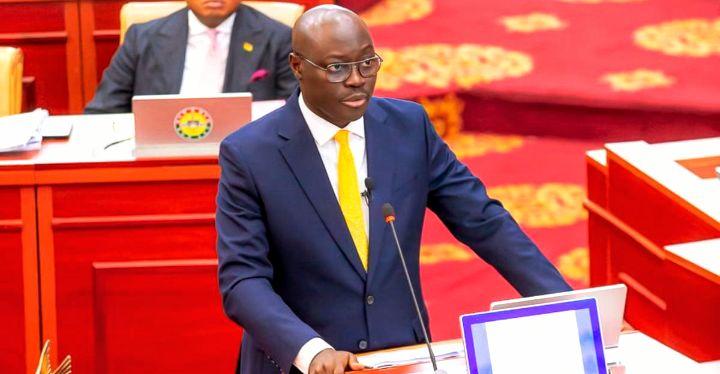
Ghana's next economic chapter will be judged by how much the country can produce, how many jobs its industries can create and whether businesses can grow without depending heavily on imported goods. That was the direction Finance Minister Dr Cassiel Ato Forson presented to Parliament as he announced a GH¢30 billion investment in the government's New Economy Programme for 2027.
The allocation forms part of a wider US$10 billion programme covering 2027 to 2030, which the government intends to use to strengthen local industries, expand productive activities and create employment opportunities.
Presenting the 2027 Budget Statement and Economic Policy to Parliament on Thursday, November 12, Dr Forson described the initiative as a deliberate move towards building an economy that creates more value from the country's resources rather than relying heavily on consumption and imports.
The programme will focus on eight areas, including commercial agriculture, energy, critical minerals, tourism, culture and creative arts, textiles and garments, pharmaceuticals and biomanufacturing, technology, as well as macroeconomic stability and affordable finance. The government expects the investment to improve local production, support businesses and strengthen Ghana's capacity to process its natural resources into finished products.
The commitment comes at a time when government expenditure is projected to reach GH¢389.2 billion in 2027, representing 21.6 per cent of Gross Domestic Product (GDP). Revenue and grants are expected to amount to GH¢323.4 billion, leaving a projected cash budget deficit of GH¢65.8 billion, equivalent to 3.6 per cent of GDP. Of the planned expenditure, GH¢104.1 billion has been earmarked for employee compensation, while GH¢61 billion will go towards interest payments. Capital expenditure is projected at GH¢100.4 billion in the budget presentation, although the detailed Budget Statement provides a different figure.
In a move expected to offer some relief to taxpayers, Dr Forson announced that government would not introduce new taxes in 2027. Instead, the administration intends to improve revenue collection by closing loopholes, addressing leakages and strengthening tax administration.
The Minister also announced exemptions from import duties and Value Added Tax on solar panels and batteries, a measure intended to encourage households, farmers and businesses to consider renewable energy alternatives.
Ghana's economic performance also featured prominently in the presentation. The Minister reported that inflation had declined from 23.8 per cent at the end of 2024 to 5.5 per cent in October 2026. Economic growth reached 6.2 per cent in the first half of 2026, exceeding the government's annual growth target of 4.8 per cent.
Gross international reserves stood at US$12.7 billion at the end of September 2026, providing approximately 4.5 months of import cover.
On public debt, Dr Forson disclosed that Ghana's provisional debt stock had reached GH¢759.3 billion at the end of October 2026, representing 47.5 per cent of GDP. Domestic debt accounted for 56.4 per cent, while external debt represented 43.6 per cent.
The government is also seeking to strengthen its debt position through early repayments. The Minister announced plans to redeem GH¢29 billion in restructured domestic bonds originally due in February 2027. Government also intends to settle a US$590 million Eurobond due on January 2, 2027, before the end of December 2026. Together, the early repayments are expected to exceed GH¢36 billion.
For 2027, government is targeting economic growth of at least 5.2 per cent, with inflation expected to remain within 8 per cent, plus or minus two percentage points.
While the figures outline the government's economic ambitions, the bigger test will be whether the planned investments translate into opportunities beyond the budget documents. Farmers will expect better access to markets and processing facilities, businesses will look for affordable financing, and young people will want to see industries capable of providing sustainable employment.
The New Economy Programme therefore presents an important test of the government's ability to turn economic stability into productive growth. Its success will ultimately depend not on the size of the announced investment alone, but on the projects delivered, businesses supported and jobs created across the country.
Written by
Sayibu Hamdaway
Hamdaway is a Ghanaian finance educator, investor, and content creator dedicated to making investing and personal finance easy to understand. He combines financial expertise with journalism to deliver timely business, economic, and market insights. Through engaging videos, articles, and social media content, he empowers individuals to build wealth through informed financial decisions. His mission is to help people achieve financial freedom by transforming complex financial concepts into practical, actionable knowledge.
Related Stories
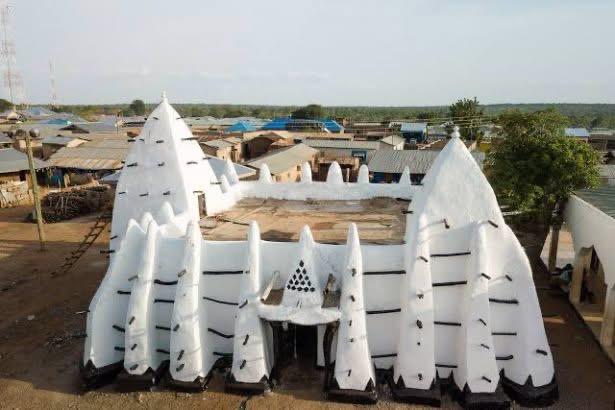
Larabanga Mosque to be removed from new cedi notes
Christian group calls for Larabanga Mosque to be removed from new cedi notes The Alliance of Christian Apologists, Ghana, has called on the government and the...
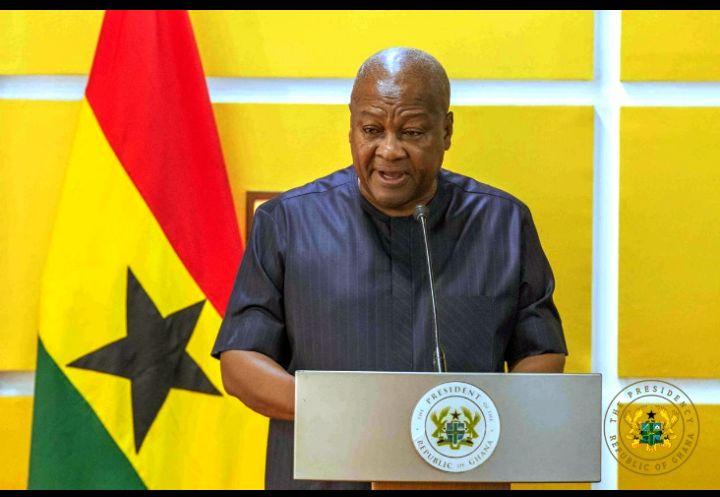
President Mahama Tasks New Labour Commission to Restore Trust in Workplace Justice
President John Dramani Mahama has called on the newly inaugurated National Labour Commission (NLC) to make fairness and timely decisions central to its work,...
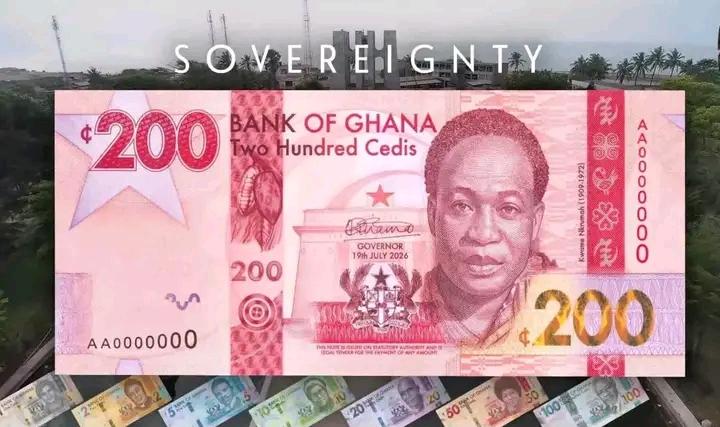
Ghana Introduces Heritage Cedi Notes Featuring National Icons, Landmarks and Adinkra Symbols
Ghana's currency is set for a new identity following the introduction of the Ghana Cedi Heritage Series, a redesigned collection of banknotes that brings the...
Comments (0)
No comments yet. Be the first to share your thoughts.