Ato Forson Rejects Spending Push as Ghana Prioritises Stability Over Populism
Liwalmor M-Moadan
Journalist
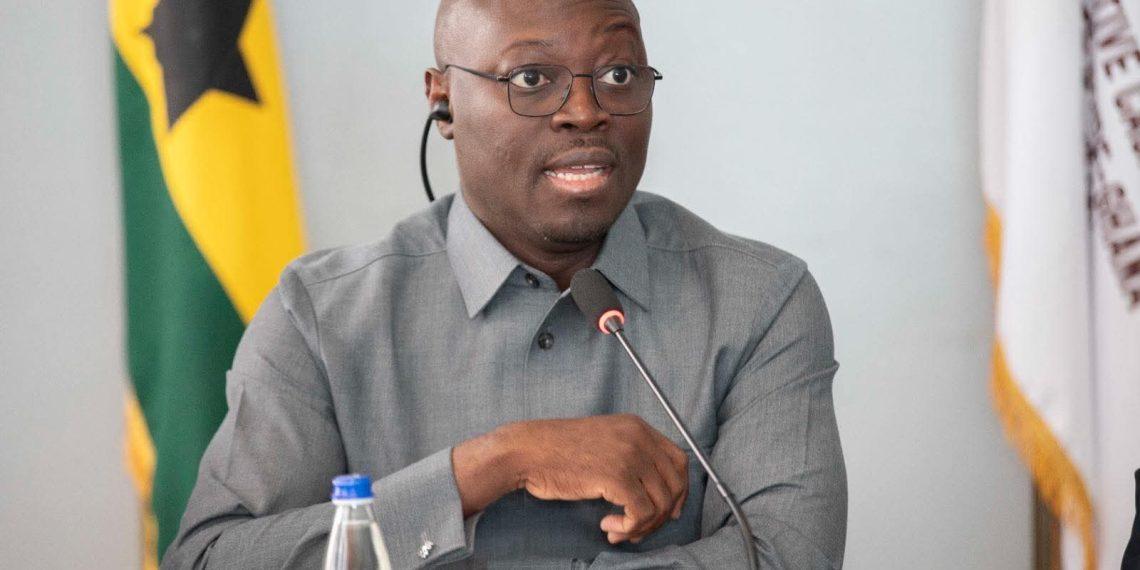
Finance Minister Dr Cassiel Ato Forson has warned that any premature relaxation of Ghana’s fiscal discipline could reverse hard-won macroeconomic gains and plunge the country back into the economic crisis that necessitated debt restructuring and a US$3 billion IMF-supported programme.
Defending the government’s cautious fiscal stance, Dr Forson argued that improved economic indicators should not be interpreted as a licence for aggressive public spending. Instead, he maintained that preserving stability remains the administration’s foremost priority as Ghana seeks to complete its IMF programme and restore long-term investor confidence.
“The IMF does not deal with political parties; it deals with governments and countries,” the Finance Minister said, stressing that Ghana remains obligated to honour commitments under the programme regardless of which administration negotiated it.
His remarks come amid growing calls for increased government expenditure following a sharp decline in inflation, easing interest rates and stronger-than-expected fiscal performance.
According to Dr Forson, Ghana posted a primary fiscal surplus of 0.90% of GDP during the first half of the year, placing the country comfortably on course to exceed its 1.50% year-end target. While the stronger fiscal position may create limited room for additional spending, he insisted that any expenditure must remain firmly within the agreed IMF framework.
“We have some room to spend without breaching our commitments,” he said, while cautioning against abandoning fiscal restraint for short-term political or economic pressures.
The Finance Minister warned that repeating past patterns of excessive spending would risk undoing Ghana’s recovery.
“If we spend as though there’s no tomorrow, we will crash the economy again and return to the crisis that forced Ghana into debt restructuring,” he said.
His comments underscore the delicate balancing act confronting policymakers as Ghana transitions from crisis management to economic recovery. While businesses continue to call for greater public investment to stimulate growth, the government is seeking to reassure creditors, investors and multilateral partners that fiscal consolidation remains firmly on track.
Analysts view continued adherence to the IMF programme as critical to rebuilding Ghana’s economic credibility following its debt restructuring, with disciplined budget execution expected to remain the cornerstone of fiscal policy even as pressure mounts for broader economic relief.
The challenge ahead, however, will be translating fiscal prudence into tangible improvements in infrastructure, employment, healthcare, education and productivity without compromising the macroeconomic stability that has begun to return.
Written by
Liwalmor M-Moadan
M-Moadan is dedicated journalist committed to delivering accurate, timely, and impactful news. Passionate about uncovering the facts, telling meaningful stories, and keeping the public informed with integrity and professionalism.
Related Stories
Ghana’s Gold Revolution: Can Refining Gold at Home Finally Keep More of the Country’s Wealth in Ghana?
For generations, Ghana has drawn enormous wealth from beneath its soil, yet much of the value created from that wealth has flowed beyond its borders. Now,...
GoldBod Targets $1.4bn as BoG Reduces September Dollar Sales
The Bank of Ghana (BoG) has sharply reduced the amount of foreign exchange it plans to supply to the market in September 2026. Market data indicate that the...
Four CIIG Awards Strengthen Enterprise Insurance’s Leadership Position
Enterprise Insurance emerged as the most successful company at the sixth Chartered Insurance Institute of Ghana (CIIG) Awards, securing four major honours at...
Comments (0)
No comments yet. Be the first to share your thoughts.