NDPC Seeks Parliamentary Backing to Lock in Ghana’s Long-Term Economic Vision
Liwalmor M-Moadan
Journalist
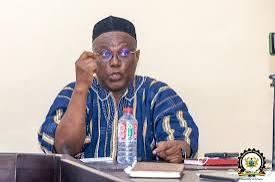
Ghana’s National Development Planning Commission (NDPC) is making a renewed bid to shield the country’s long-term economic strategy from political turnover, proposing a single legislated development framework that would bind successive governments to a common national agenda.
The Commission has begun consolidating four major development blueprints into a Ghana Consolidated National Development Plan, an initiative designed to tackle one of the country’s enduring governance challenges: the repeated abandonment of national development strategies following changes in political leadership.
Briefing Speaker of Parliament Alban Bagbin, NDPC Chairman Dr Nii Moi Thompson said the proposed framework would combine the 40-Year Development Plan (2016), Ghana Beyond Aid (2019), Ghana@100 (2019), and Vision 2057 (2024) into a single national roadmap capable of guiding economic, institutional and social transformation beyond electoral cycles.
The Commission wants Parliament to adopt the plan as what Dr Thompson described as the “legislated will of the people,” giving it legal and institutional authority that transcends party manifestos and executive priorities.
If approved, the framework would become the reference point for medium-term national plans, annual government programmes and public investment decisions, helping ensure that strategic projects continue regardless of changes in administration.
The proposal addresses what many economists regard as one of Ghana’s structural development constraints: policy discontinuity. While successive governments have introduced ambitious programmes spanning industrialisation, infrastructure, agriculture, education and technology, many initiatives have stalled or been replaced before delivering their intended outcomes.
That stop-start approach has often delayed projects, weakened institutions and reduced the effectiveness of public investment, limiting the country’s ability to sustain long-term productivity growth.
Dr Thompson argued that overcoming this challenge is critical if Ghana is to escape the middle-income trap, a position the country has occupied since attaining lower-middle-income status in 2010.
Breaking out of that cycle, he noted, will require more than macroeconomic stability. It demands consistent investment in industrial upgrading, export competitiveness, infrastructure, human capital and institutional reform—objectives that extend well beyond a single political term.
Speaker Bagbin welcomed the initiative and pledged Parliament’s support, while stressing that governance reforms, ethical leadership and institutional accountability must form central pillars of the consolidated plan.
He also urged the Commission to embed stronger standards of public service ethics, arguing that even the strongest development blueprint risks failure if implementation is undermined by weak institutions, policy reversals or poor governance.
The NDPC is expected to present the proposal before Parliament’s Committee of the Whole before embarking on nationwide consultations involving political parties, traditional leaders, faith-based organisations and the wider public.
Analysts say the success of the initiative will ultimately depend less on the quality of the document itself than on whether future governments align budgets, sector policies and public investment decisions with the framework.
For Ghana, the exercise represents more than another planning process. It is an attempt to replace fragmented policy cycles with a durable national development architecture capable of delivering sustained economic transformation across political administrations.
Written by
Liwalmor M-Moadan
M-Moadan is dedicated journalist committed to delivering accurate, timely, and impactful news. Passionate about uncovering the facts, telling meaningful stories, and keeping the public informed with integrity and professionalism.
Related Stories
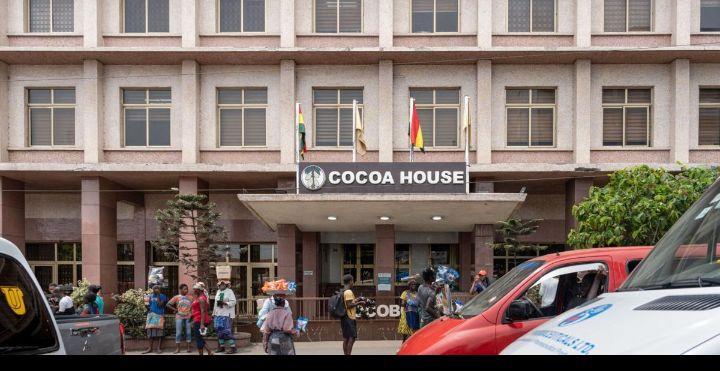
COCOBOD SECURES GH¢3.396BN IN LOCAL FUNDING DRIVE
Ghana's cocoa financing effort has brought in GH¢3.396 billion from local institutional investors, providing the Ghana Cocoa Board (COCOBOD) with fresh funds...

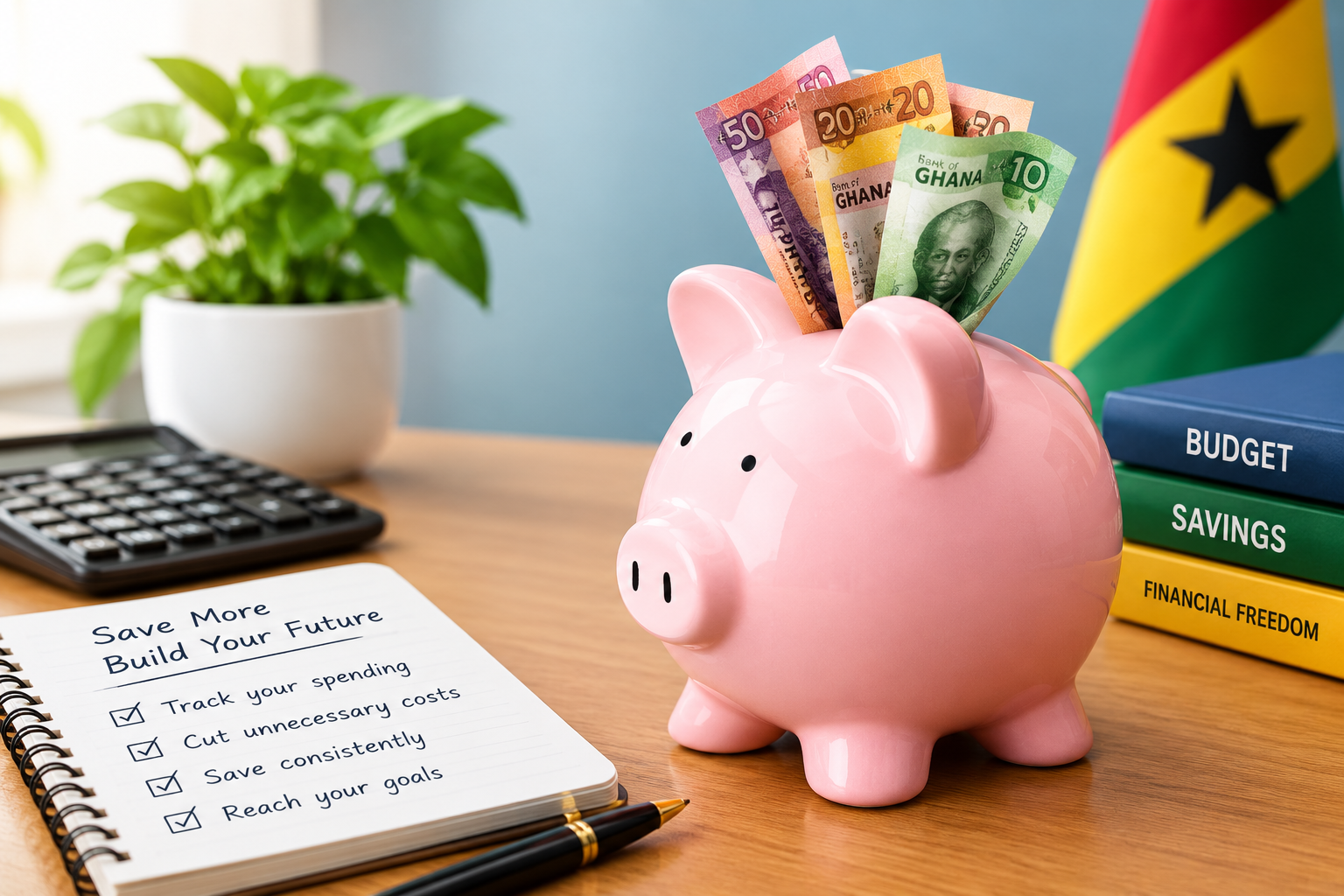
How to Save Money on a Low Income in Ghana
Saving money can feel almost impossible when your income is barely enough to cover your daily needs. For many people in Ghana, the problem is not that they do...

How to Create a Personal Budget That Actually Works
Creating a personal budget sounds simple: write down your income, list your expenses, and make sure you do not spend more than you earn. But in reality, many...
Comments (0)
No comments yet. Be the first to share your thoughts.