How to Save Money on a Low Income in Ghana

Sayibu Hamdaway
Writer/Financial Analyst
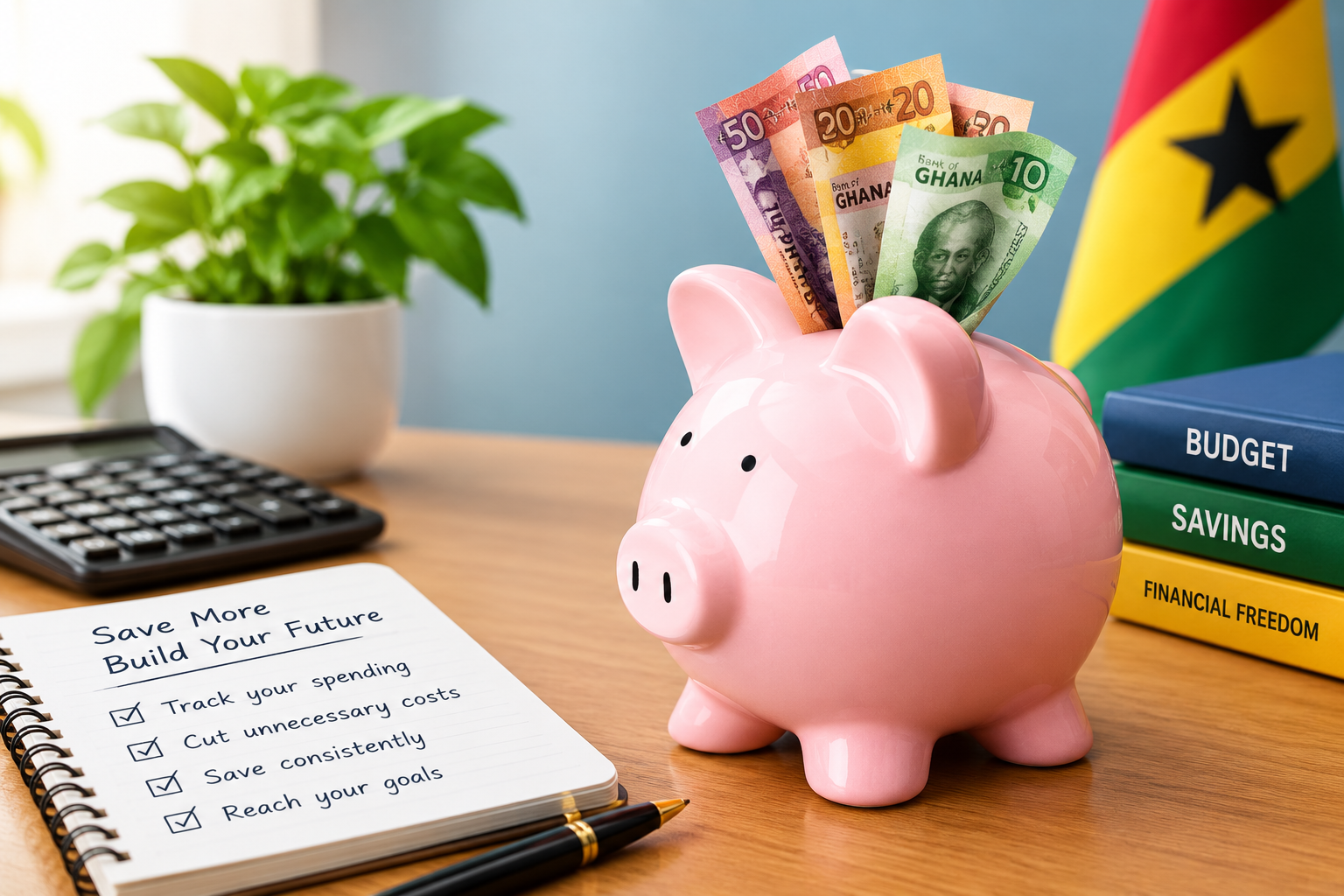
Saving money can feel almost impossible when your income is barely enough to cover your daily needs. For many people in Ghana, the problem is not that they do not want to save. The problem is that after paying rent, buying food, paying transportation costs, supporting family members, paying bills and handling unexpected expenses, there may be very little left at the end of the month.
But saving money on a low income is still possible. You may not be able to save GH1,000 every month, but starting with GH20, GH50 or GH100 can help you develop the habit. The important thing is to create a system that works with your current income rather than trying to copy the financial habits of someone earning much more than you.
Here are practical ways to save money on a low income in Ghana.
1.Know Exactly Where Your Money Goes
Before you can save more, you need to understand where your money is currently going. For one month, write down every expense, including small purchases.
Your list could include: Food Transportation Mobile data Airtime Rent Electricity and water MoMo charges Eating outside Entertainment Subscriptions Family support Debt repayments Impulse purchases
You may discover that some of your biggest expenses are not the large bills but several small purchases that happen repeatedly. For example, spending GH15 every working day on unnecessary purchases adds up to about GH300 in a 20-day month. Tracking your spending gives you a clear picture of your financial situation.
2. Start Small
One of the biggest mistakes people make is believing that saving is only worthwhile if they can put away a large amount. It is not. If you earn a modest income, start with an amount you can realistically maintain.
For example: GH5 per day GH20 per week GH50 per month GH100 per month
The amount may look small, but the habit matters. Saving GH50 every month gives you GH600 in a year. Saving GH100 every month gives you GH1,200 in a year, before considering any interest or investment returns. The goal at the beginning is not to become rich from saving. It is to build financial discipline.
3. Save Immediately After Receiving Your Income
Do not wait until the end of the month to save whatever is left. For many people, nothing is left. Instead, save first and spend what remains. If you receive GH2,000 and decide to save GH100, move the GH100 into your savings account immediately. Treat the savings as a financial obligation to yourself.
This is sometimes called paying yourself first Even if you can only save 5% of your income, starting there
Written by
Sayibu Hamdaway
Hamdaway is a Ghanaian finance educator, investor, and content creator dedicated to making investing and personal finance easy to understand. He combines financial expertise with journalism to deliver timely business, economic, and market insights. Through engaging videos, articles, and social media content, he empowers individuals to build wealth through informed financial decisions. His mission is to help people achieve financial freedom by transforming complex financial concepts into practical, actionable knowledge.
Related Stories
COCOBOD SECURES GH¢3.396BN IN LOCAL FUNDING DRIVE
Ghana's cocoa financing effort has brought in GH¢3.396 billion from local institutional investors, providing the Ghana Cocoa Board (COCOBOD) with fresh funds...

How to Create a Personal Budget That Actually Works
Creating a personal budget sounds simple: write down your income, list your expenses, and make sure you do not spend more than you earn. But in reality, many...
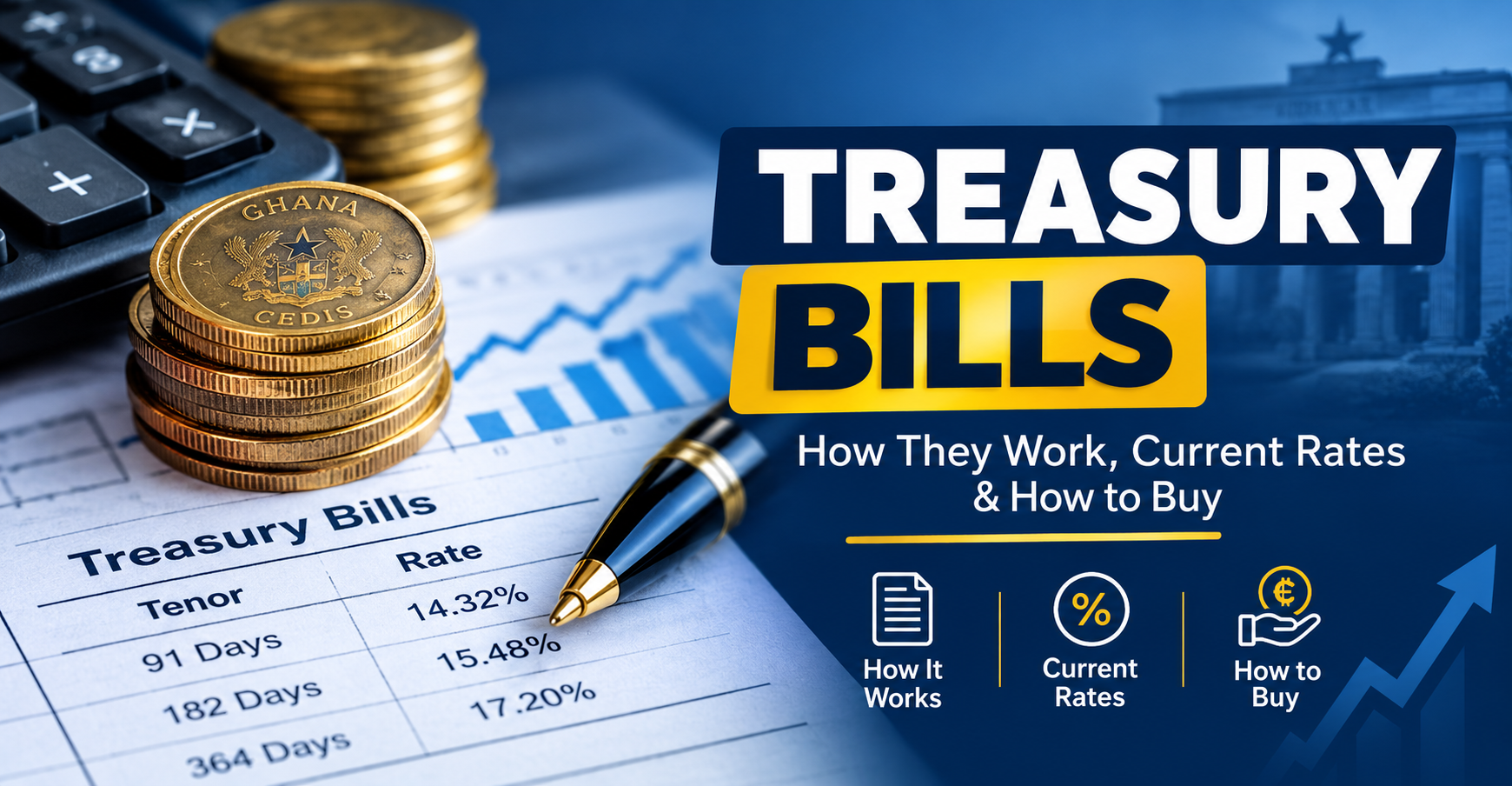
Ghana Treasury Bills: How They Work, Current Rates & How to Buy in Ghana
If you are looking for a relatively simple way to invest your money in Ghana while earning a return over a short period, Treasury Bills (T-Bills) are one of...
Comments (0)
No comments yet. Be the first to share your thoughts.