COCOBOD SECURES GH¢3.396BN IN LOCAL FUNDING DRIVE

Sayibu Hamdaway
Writer/Financial Analyst
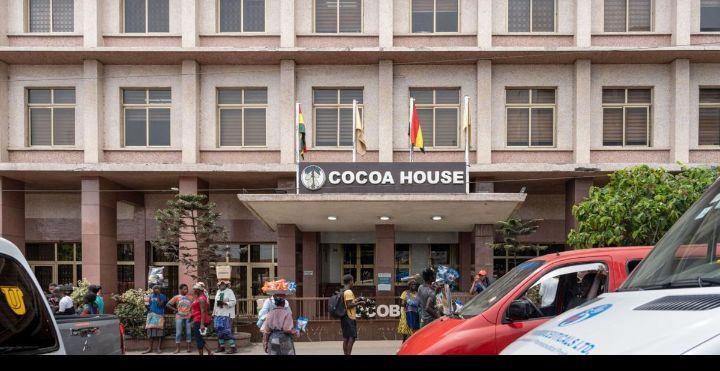
Ghana's cocoa financing effort has brought in GH¢3.396 billion from local institutional investors, providing the Ghana Cocoa Board (COCOBOD) with fresh funds to support its operations during the 2026/27 cocoa season.
The money was mobilised through Cocoa Capital PLC, a company owned entirely by COCOBOD, using a commercial paper arrangement on Ghana's domestic capital market. The first fundraising exercise attracted interest from investors, although the final amount accepted was lower than the GH¢4 billion initially envisaged for the issue.
Records of the transaction show that 38 institutional investors submitted offers worth about GH¢3.586 billion. Cocoa Capital PLC accepted 36 of the bids, bringing the total amount secured to GH¢3.396 billion.
This leaves a difference of GH¢604 million between the amount raised and the initial GH¢4 billion figure. The result means the first issue secured approximately 85 per cent of its indicative target.
The commercial paper carries an annual interest rate of 11 per cent and has a repayment period of 266 days, with June 28, 2027, set as its maturity date. The funds are intended to help finance the purchase of cocoa beans during the new crop season.
The arrangement places the domestic investment market in a position to contribute directly to the financing of Ghana's cocoa trade. Rather than relying on a single source of funding, COCOBOD is using a local financing channel to attract money from institutional investors.
The first issue is part of a wider GH¢16.3 billion domestic financing programme. The plan provides for up to GH¢14 billion to be raised through commercial paper for cocoa purchases, while GH¢2.3 billion in bonds is intended to refinance existing cocoa-related debt.
The full programme is larger than the amount secured in the first transaction. Further fundraising will therefore be important if COCOBOD intends to mobilise the remaining funds envisaged under the arrangement. The amount that can be raised through later issues will depend on the programme's requirements and prevailing market conditions.
The financing also creates obligations that COCOBOD must manage. With interest attached to the commercial paper and repayment due at maturity, the use of the proceeds and the flow of funds will be important to the success of the arrangement.
For cocoa farmers, the practical concern is whether the financing will help sustain the purchase of their produce. The transaction provides money for the cocoa-buying process, but the figures alone do not establish whether farmers will receive payments more quickly or experience an improvement in their earnings.
The outcome of the first issue offers an early indication of the amount local investors were willing to commit under the programme. Although the GH¢3.396 billion raised represents a substantial sum, the difference from the initial target means the first transaction did not secure the full amount envisaged.
The next stage will be to see how the funds are deployed and whether additional issues can provide further support for cocoa purchases and the management of existing cocoa-related obligations.
For COCOBOD, the financing programme now moves beyond attracting investment to managing the money raised and meeting the conditions attached to it. Its broader value to Ghana's cocoa industry will depend on how effectively the funds support buying operations and how well the repayment commitments are handled.
Written by
Sayibu Hamdaway
Hamdaway is a Ghanaian finance educator, investor, and content creator dedicated to making investing and personal finance easy to understand. He combines financial expertise with journalism to deliver timely business, economic, and market insights. Through engaging videos, articles, and social media content, he empowers individuals to build wealth through informed financial decisions. His mission is to help people achieve financial freedom by transforming complex financial concepts into practical, actionable knowledge.
Related Stories
How to Save Money on a Low Income in Ghana
Saving money can feel almost impossible when your income is barely enough to cover your daily needs. For many people in Ghana, the problem is not that they do...

How to Create a Personal Budget That Actually Works
Creating a personal budget sounds simple: write down your income, list your expenses, and make sure you do not spend more than you earn. But in reality, many...
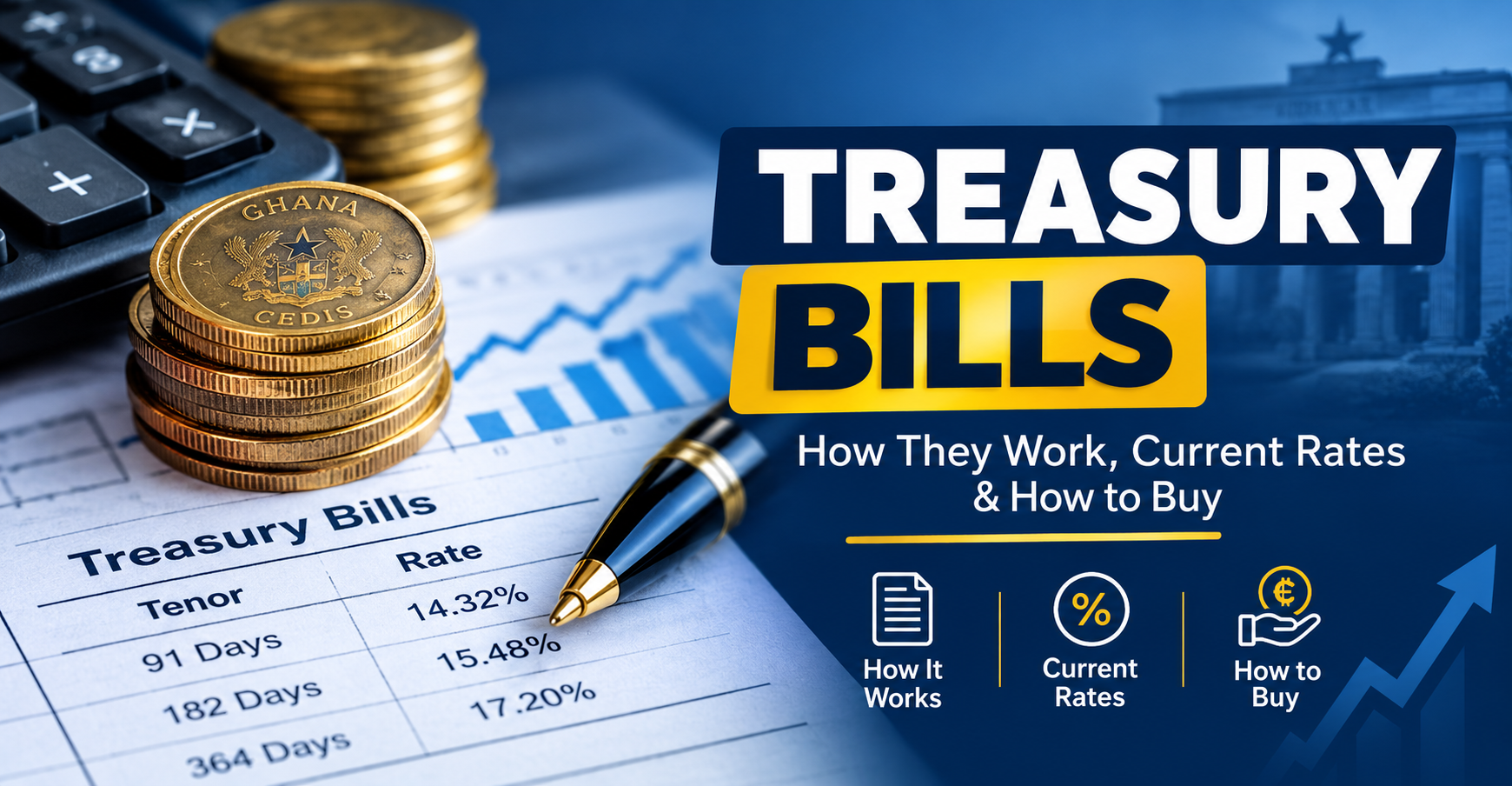
Ghana Treasury Bills: How They Work, Current Rates & How to Buy in Ghana
If you are looking for a relatively simple way to invest your money in Ghana while earning a return over a short period, Treasury Bills (T-Bills) are one of...
Comments (0)
No comments yet. Be the first to share your thoughts.