Bribery demands surged in late 2025 as nearly 7 in 10 Ghanaians faced unofficial payment requests, GSS reports
Liwalmor M-Moadan
Journalist
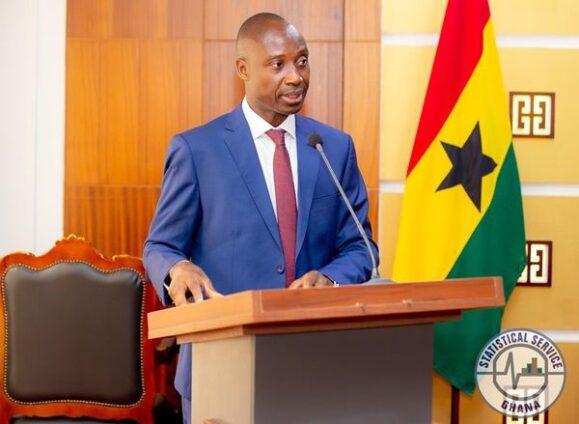
Ghana recorded an improvement in its overall governance performance in 2025, but that progress was accompanied by a sharp deterioration in citizens’ day-to-day encounters with corruption, according to new data released by the Ghana Statistical Service (GSS).
The latest edition of the GSS Governance Series shows that public officials demanded unofficial payments from 69% of Ghanaians who encountered bribery situations during the second half of 2025, up sharply from 51% recorded in the first six months of the year.
The findings point to a growing disconnect between improvements in institutional governance indicators and the experiences of citizens seeking public services, suggesting that frontline administrative integrity remains a significant challenge despite broader governance reforms.
Presenting the findings at a Governance Series event organised by Three Reports and the Ghana Statistical Service on Tuesday, August 4, Government Statistician Dr Alhassan Iddrisu said the latest survey indicates that corruption pressure is increasingly being driven by public officials rather than citizens initiating illicit payments.
“So the pressure sits at the counter. The problem now is less what citizens offer and more of what officials would ask,” Dr Iddrisu said.
The report also found that the proportion of Ghanaians who admitted paying a bribe to access public services increased from 14.3% in the first half of 2025 to 18% in the second half, meaning nearly one in every six citizens paid an unofficial payment to receive a government service.
For investors, development partners and governance analysts, the figures reinforce concerns that while Ghana may be strengthening aspects of institutional governance and public administration, implementation challenges persist where citizens interact directly with public agencies.
The divergence is particularly significant because corruption at service delivery points can increase transaction costs for households and businesses, undermine confidence in public institutions and reduce the effectiveness of public sector reforms aimed at improving efficiency and accountability.
Despite the deterioration in bribery indicators during the latter part of the year, Dr Iddrisu emphasised that Ghana’s broader governance trajectory remained positive when assessed over the full calendar year.
“The full year, which is 2025, got better compared to 2024. Both of these stories are true, and that’s the beauty of the six-monthly survey that we do, to be able to look at trends within waves and even compare between years,” he said.
The Government Statistician explained that the six-monthly Governance Series enables policymakers to distinguish between short-term fluctuations and longer-term structural changes in governance performance, providing a more nuanced picture than annual assessments alone.
Unlike many governance perception surveys that rely on different respondents each year, the GSS said its methodology follows the same nationally representative households across all 16 regions, allowing researchers to observe genuine changes in citizens’ experiences over time rather than differences arising from changes in survey samples.
That longitudinal approach strengthens the credibility of the findings by making it possible to track behavioural and governance trends with greater consistency.
The latest release is based on interviews conducted with household heads during the first quarter of 2026, covering their experiences between July and December 2025.
The report arrives at a time when governance quality has become increasingly important to Ghana’s economic reform agenda. International investors, multilateral institutions and credit rating agencies increasingly view governance standards, public sector transparency and anti-corruption efforts as critical determinants of fiscal credibility, investment attractiveness and the efficiency of public expenditure.
While the improvement in Ghana’s aggregate governance indicators may provide reassurance that broader institutional reforms are yielding results, the increase in unofficial payment demands highlights the need for stronger enforcement mechanisms within frontline public institutions.
For policymakers, the findings suggest that governance reforms may need to move beyond institutional frameworks toward strengthening accountability at the point of service delivery, where citizens remain most vulnerable to corruption pressures.
The data ultimately paint a nuanced picture of Ghana’s governance landscape: national governance indicators are improving, yet ordinary citizens continue to encounter rising demands for unofficial payments when accessing essential public services. Bridging that gap is likely to become a central challenge for future public sector reform, as authorities seek to ensure that improvements in governance metrics translate into tangible gains in everyday interactions between citizens and the state.
Written by
Liwalmor M-Moadan
M-Moadan is dedicated journalist committed to delivering accurate, timely, and impactful news. Passionate about uncovering the facts, telling meaningful stories, and keeping the public informed with integrity and professionalism.
Related Stories

Ghana’s Gold Revolution: Can Refining Gold at Home Finally Keep More of the Country’s Wealth in Ghana?
For generations, Ghana has drawn enormous wealth from beneath its soil, yet much of the value created from that wealth has flowed beyond its borders. Now,...
GoldBod Targets $1.4bn as BoG Reduces September Dollar Sales
The Bank of Ghana (BoG) has sharply reduced the amount of foreign exchange it plans to supply to the market in September 2026. Market data indicate that the...
Four CIIG Awards Strengthen Enterprise Insurance’s Leadership Position
Enterprise Insurance emerged as the most successful company at the sixth Chartered Insurance Institute of Ghana (CIIG) Awards, securing four major honours at...
Comments (0)
No comments yet. Be the first to share your thoughts.