Ghana activates flood preparedness as Burkina Faso signals possible Bagré Dam spillage
Liwalmor M-Moadan
Journalist
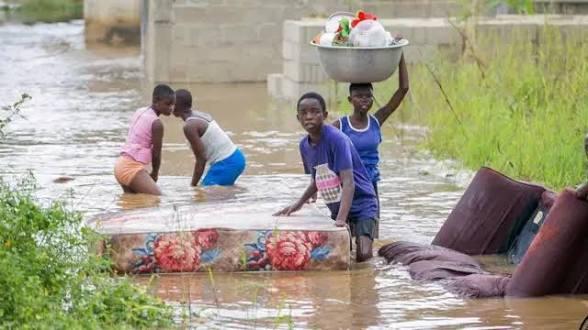
The Water Resources Commission (WRC) has issued an early warning to communities along Ghana’s White Volta basin after operators of Burkina Faso’s Bagré Dam indicated that controlled water releases could commence from August 11, 2026, should reservoir levels continue to rise to a predetermined operational threshold.
The notice, released on Tuesday, reflects Ghana’s increasingly proactive approach to flood risk management by providing downstream communities with advance notice several days before any possible discharge, allowing local authorities, emergency agencies and residents time to implement contingency measures.
According to the Commission, information received from SONABEL, the operator of the Bagré Dam in Burkina Faso, shows that the reservoir water level stood at 232.93 metres as of August 4, 2026, representing a filling rate of 62.77%.
The Commission noted that “SONABEL plans to commence controlled water spillage from the Bagré Dam from Tuesday, August 11, 2026, if the reservoir water level should reach 234.00 metres.”
The statement makes clear that the planned release remains conditional rather than certain. Whether the controlled spillage proceeds will depend entirely on rainfall patterns and the speed at which inflows raise reservoir levels over the coming week.
That distinction is significant.
Unlike emergency spillages triggered by structural or operational risks, controlled releases are typically planned engineering interventions designed to protect the integrity of large dams while maintaining safe reservoir operating levels during periods of elevated inflows.
For Ghana, however, even controlled releases have historically translated into elevated flood risks for settlements located downstream along the White Volta River, particularly when they coincide with heavy rainfall within northern Ghana itself.
Recognising those risks, the Water Resources Commission advised that “communities along the White Volta River and adjoining areas are advised to take the necessary precautions and adhere to safety guidelines from the LOCAL ASSEMBLIES and the APPROPRIATE AGENCIES.”
The advisory reflects lessons learned from previous years, when water releases from the Bagré Dam have contributed to widespread flooding across northern Ghana. While such spillages are rarely the sole cause of flooding—local rainfall, river inflows and drainage capacity also play important roles—they remain among the most closely monitored hydrological events during the West African rainy season.
The annual monitoring of the Bagré reservoir has consequently become an essential component of Ghana’s flood preparedness framework.
The White Volta serves as one of Ghana’s principal river systems, supporting agriculture, fishing, domestic water supply and transportation for thousands of households. Yet its importance also creates vulnerability. When water volumes rise rapidly, low-lying farming communities, roads, bridges and public infrastructure can be inundated within a short period, disrupting livelihoods and increasing humanitarian needs.
The Commission’s latest communication therefore serves not merely as a technical update but as an operational trigger for district assemblies, the National Disaster Management Organisation (NADMO), security agencies, health authorities and local leaders to begin reviewing evacuation plans, emergency shelters and public awareness campaigns.
For farmers, the warning arrives at a particularly sensitive stage of the agricultural calendar.
Much of northern Ghana is currently in the peak growing season, meaning prolonged flooding could damage maize, rice, millet, sorghum and vegetable farms situated along fertile floodplains. Livestock losses, damage to irrigation systems and disruption to rural transport networks could further affect food production and market supplies if significant flooding materialises.
The economic implications extend beyond agriculture.
Flood events often interrupt regional trade corridors, increase public spending on emergency relief, damage schools and health facilities, and delay infrastructure projects. For government, early preparedness generally proves far less costly than post-disaster reconstruction.
The WRC’s decision to communicate the reservoir status a full week before the earliest possible release reflects an increasing emphasis on risk communication rather than crisis response. By providing specific measurements—including the current reservoir elevation of 232.93 metres and the operational threshold of 234.00 metres—the Commission has sought to improve transparency while reducing uncertainty among affected communities.
Cross-border cooperation also remains central to effective water management in the Volta Basin.
The Bagré Dam, although located in Burkina Faso, has hydrological consequences that extend well into Ghana, underscoring the importance of information-sharing between the two countries. Regular communication between SONABEL and Ghanaian authorities enables downstream agencies to prepare in advance rather than react after floodwaters begin rising.
As climate variability continues to intensify rainfall patterns across West Africa, such regional coordination is likely to become increasingly important. More erratic precipitation, shorter periods of intense rainfall and changing river flow patterns are placing additional pressure on dam operators across the region to balance water storage, electricity generation and flood control.
For now, Ghanaian authorities stress that there is no immediate cause for panic.
The notice remains precautionary, and the commencement of controlled spillage will depend on whether reservoir levels reach the 234-metre trigger point over the coming days. Nevertheless, residents living along the White Volta are being encouraged to remain vigilant, monitor official announcements and comply promptly with any directives issued by local authorities should water releases become necessary.
The announcement ultimately illustrates a broader shift in disaster management—from responding to emergencies after they occur toward strengthening preparedness through early warning systems, intergovernmental coordination and timely public communication. If effectively acted upon, such measures can significantly reduce the human and economic costs that have historically accompanied seasonal flooding in northern Ghana.
Written by
Liwalmor M-Moadan
M-Moadan is dedicated journalist committed to delivering accurate, timely, and impactful news. Passionate about uncovering the facts, telling meaningful stories, and keeping the public informed with integrity and professionalism.
Related Stories

Accra and Kumasi Expressway: Government Targets Full Funding by End of 2026 as Military Clears 170km Corridor
Ghana’s ambitious Accra and Kumasi Expressway project has moved closer to its construction phase, with the government announcing that it expects to secure the...
Ghana Immigration clears beggars from the streets of Accra and Kumasi
1,055 beggars remove from the street of Accra and Kumasi, Ghana Immigration Service migrant as part of an operation targeting undocumented foreign nationals....
Star Oil cuts petrol below GH¢15 as Ghana fuel retailers begin August price reset
Some Oil Marketing Companies (OMCs) began reviewing petroleum product prices on Monday, August 17, with Star Oil emerging as one of the first large retailers...
Comments (0)
No comments yet. Be the first to share your thoughts.