Ghana can still achieve 45% debt-to-GDP target by 2034 despite lower fiscal surplus, IMF says
Liwalmor M-Moadan
Journalist
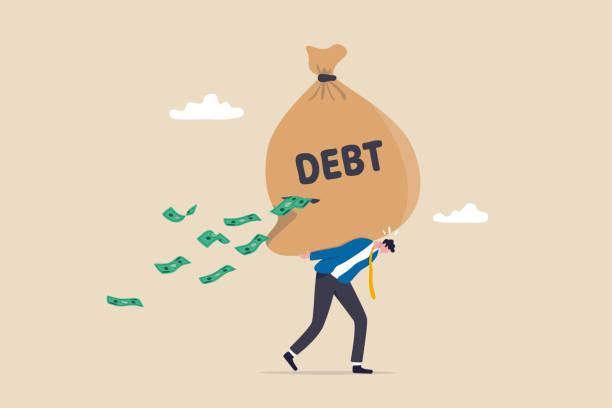
Ghana could still reduce its public debt burden to the legislated target of 45% of GDP by 2034 even if it adopts a less restrictive fiscal stance from next year, according to the International Monetary Fund (IMF), signalling growing confidence in the country’s debt restructuring progress while acknowledging the need for greater investment in economic development.
In its latest country report, the IMF argued that Ghana could lower its operational primary fiscal surplus target from 1.5% of GDP to 0.5% of GDP beginning in 2027 without compromising long-term debt sustainability, provided the government maintains a robust programme of fiscal and structural reforms.
The assessment marks a notable shift in the Fund’s approach to Ghana’s post-crisis recovery. Since entering the IMF-supported Extended Credit Facility (ECF) programme in 2023, Ghana has pursued one of Africa’s most aggressive fiscal consolidation programmes, aimed at restoring macroeconomic stability after the country’s debt crisis, domestic debt restructuring and external default.
The Fund now believes that the country’s recent debt reduction gains have created sufficient fiscal space to reconsider how quickly public finances need to tighten, particularly given Ghana’s substantial infrastructure, education, healthcare and social protection needs.
According to the IMF, its recommendation is underpinned by what it described as “substantial in-built safeguards” within its fiscal framework.
These safeguards include a prudently calibrated debt anchor that sits below conventional Debt Sustainability Analysis (DSA) thresholds, providing an additional buffer against adverse shocks such as weaker economic growth, higher interest rates or unexpected fiscal pressures.
The IMF explained that the framework accounts for Ghana’s historical debt dynamics and incorporates potential volatility in interest-growth differentials, fiscal balances and sizeable stock-flow adjustments that have previously complicated debt management.
The report noted that Ghana’s Parliament amended the Public Financial Management (PFM) Act in 2025 to introduce a legally binding debt anchor requiring public debt to decline to 45% of GDP by 2034, alongside an operational fiscal target requiring the government to maintain a primary surplus of 1.5% of GDP on a commitment basis.
However, the Fund suggested that maintaining such a high surplus over an extended period may unnecessarily constrain development spending at a time when the economy requires increased investment to sustain long-term growth.
“Recent debt reduction gains and large development needs have raised concerns about the excessively tight medium-term fiscal stance under the current operational target,” the IMF said.
Rather than relying solely on continued expenditure restraint, the Fund believes Ghana can preserve fiscal credibility by implementing deeper structural reforms that improve the efficiency of public finances.
Central to that strategy is stronger domestic revenue mobilisation.
The IMF said closing weaknesses in tax administration and improving compliance could generate significant additional government revenue without necessarily imposing higher tax rates.
Improving tax collection efficiency has become increasingly important as Ghana seeks to finance development while reducing dependence on borrowing.
On the expenditure side, the Fund stressed that stronger public financial management systems would help minimise stock-flow adjustments that have historically contributed to unexpected increases in public debt.
The IMF also highlighted the importance of improving oversight of state-owned enterprises (SOEs), many of which continue to generate contingent liabilities capable of undermining fiscal stability.
Particular attention was given to Ghana’s energy and cocoa sectors, where longstanding financial weaknesses have periodically required government intervention.
According to the Fund, advancing structural reforms in these sectors would significantly reduce fiscal risks while strengthening confidence in Ghana’s debt sustainability strategy.
For investors, the IMF’s assessment could be interpreted as a positive signal that Ghana’s fiscal consolidation is entering a more sustainable phase.
Rather than pursuing austerity for its own sake, policymakers may now have greater flexibility to balance debt reduction with investments that support economic growth and employment.
Such an approach could prove particularly important as the government seeks to address persistent infrastructure deficits, youth unemployment and social protection gaps while maintaining investor confidence.
Nevertheless, the IMF’s optimism remains conditional.
Any relaxation of the fiscal surplus target would depend on the authorities delivering the promised reforms in tax administration, expenditure management and SOE governance.
Without those reforms, lower fiscal surpluses could slow the pace of debt reduction and expose Ghana to renewed financing pressures, particularly in an environment of elevated global interest rates and uncertain external conditions.
The Fund’s latest assessment therefore suggests that Ghana’s fiscal challenge is evolving from one focused primarily on emergency stabilisation to one centred on improving the quality of public finances.
If reforms are implemented successfully, the country could simultaneously preserve debt sustainability, expand fiscal space for development priorities and strengthen the foundations for long-term economic growth.
Written by
Liwalmor M-Moadan
M-Moadan is dedicated journalist committed to delivering accurate, timely, and impactful news. Passionate about uncovering the facts, telling meaningful stories, and keeping the public informed with integrity and professionalism.
Related Stories
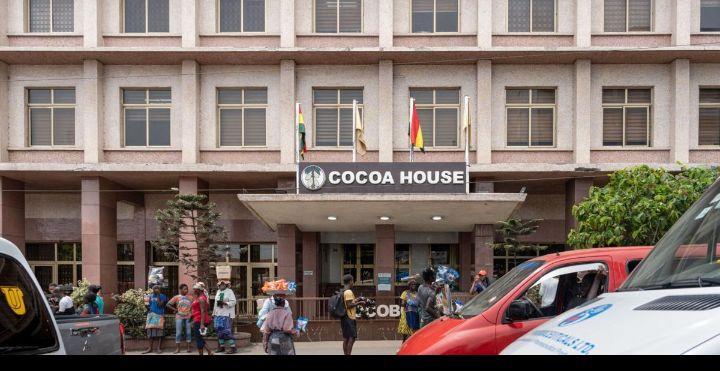
COCOBOD SECURES GH¢3.396BN IN LOCAL FUNDING DRIVE
Ghana's cocoa financing effort has brought in GH¢3.396 billion from local institutional investors, providing the Ghana Cocoa Board (COCOBOD) with fresh funds...

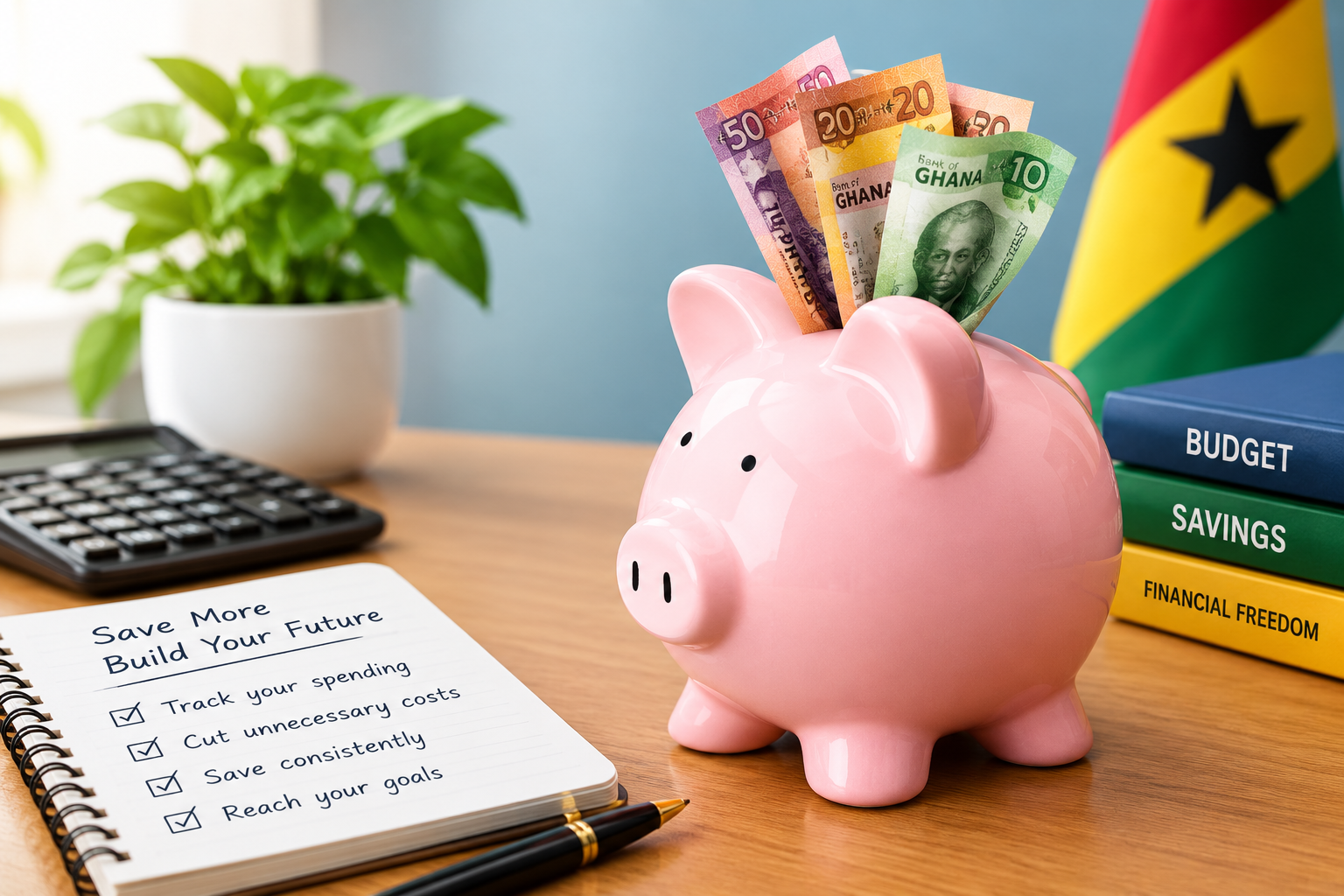
How to Save Money on a Low Income in Ghana
Saving money can feel almost impossible when your income is barely enough to cover your daily needs. For many people in Ghana, the problem is not that they do...

How to Create a Personal Budget That Actually Works
Creating a personal budget sounds simple: write down your income, list your expenses, and make sure you do not spend more than you earn. But in reality, many...
Comments (0)
No comments yet. Be the first to share your thoughts.