Saving Is the Slowest Way to Go Broke

Sayibu Hamdaway
Writer/Financial Analyst
Everyone tells you to save. Nobody tells you what saving actually costs.
Put $10,000 in a savings account earning 1% a year. In ten years, you'll have roughly $11,000. Feels like progress. Except inflation, averaging around 3% a year, quietly ate away at what that money can actually buy. In real terms, your $10,000 now buys less than it used to. You didn't grow your money. You watched it shrink in slow motion, while a number on a screen convinced you otherwise. This is the part nobody explains at the bank. The account balance goes up. Your purchasing power goes down. Both are true at the same time, and only one of them matters.
The Illusion of the Growing Number Humans are wired to trust numbers that go up. A bigger number feels like winning. That's exactly why cash savings feel safe — the balance never drops, so it never triggers the alarm that something is wrong.
But money was never meant to sit still. It's not a trophy. It's a claim on future goods and services, and that claim erodes every single day prices rise. A loaf of bread that cost a dollar in 1990 costs over two dollars now. The dollar didn't change. What it could buy did.
Cash in a drawer, cash in a checking account, cash parked "for safety" in a low-yield savings account all of it is bleeding value in real time. Slowly enough that you don't notice month to month. Fast enough that over ten, twenty, thirty years, it devastates what you thought you were protecting.
Why "Safe" Is the Most Dangerous Word in Personal Finance People choose savings accounts because they feel safe. No volatility. No risk of loss. No stomach-churning red numbers on a screen.
But that safety is an illusion built on comparing your money to itself, not to what it needs to outpace. The real risk was never a market crash. The real risk was doing nothing while prices moved without you. A savings account can't lose money the way a stock market crash can but it guarantees a loss every single year inflation outruns its interest rate, which is almost every year, almost everywhere.
Volatility is visible. It's uncomfortable specifically because you can see it. Inflation is invisible. It works precisely because you can't see it happening only its result, years later, when you realize the money you were so careful with buys a fraction of what it used to.
The Math Nobody Wants to Do Here's the uncomfortable version, stripped of soft language: If inflation runs at 3% annually and your savings account pays 1%, you are losing 2% of your real wealth every single year. Compounded over two decades, that's not a small dent it's close to a third of your money's purchasing power, gone, while the balance on your statement kept climbing and made you feel like you were doing something right.
Meanwhile, assets that grow faster than inflation businesses, real estate, equities, productive investments of any kind aren't "riskier" in the way people assume. They're doing the one thing savings accounts structurally cannot do: outrunning the thing that's actually coming for your money. The risk was never in the assets. The risk was in the assumption that doing nothing was neutral.
What Wealthy People Understand That Everyone Else Doesn't The people who build real, lasting wealth rarely keep large piles of cash sitting idle. Not because they're reckless. Because they understand something most people never stop to consider: cash is a melting ice cube. It has one job to be deployed and every day it isn't, it's quietly worth less than it was yesterday.
They keep enough liquid to handle emergencies and opportunities. Everything beyond that gets put to work in assets that are built to grow faster than the currency itself is losing value. Savings, to them, isn't a destination. It's a temporary holding pattern before capital gets deployed somewhere that can actually outpace inflation.
The average person saves and calls it discipline. The wealthy deploy and call savings a waiting room. The Real Lesson Saving isn't wrong. Having a cushion isn't wrong. The mistake is treating a savings account like a strategy instead of what it actually is a parking spot with a slow leak.
Money that isn't working isn't neutral. It's losing, every day, against an invisible opponent that never stops moving. The people who get ahead aren't the ones who saved the most. They're the ones who understood, early, that "safe" and "static" are not the same thing and that doing nothing with your money is itself a decision, with a cost, whether you can see it or not. The slowest way to lose money isn't a bad investment. It's no investment at all.
Written by
Sayibu Hamdaway
Hamdaway is a Ghanaian finance educator, investor, and content creator dedicated to making investing and personal finance easy to understand. He combines financial expertise with journalism to deliver timely business, economic, and market insights. Through engaging videos, articles, and social media content, he empowers individuals to build wealth through informed financial decisions. His mission is to help people achieve financial freedom by transforming complex financial concepts into practical, actionable knowledge.
Related Stories
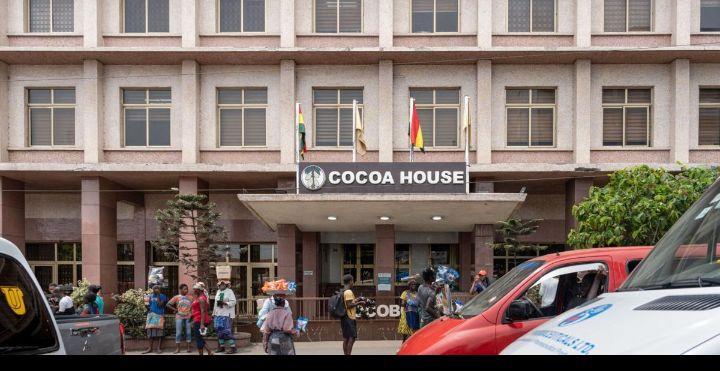
COCOBOD SECURES GH¢3.396BN IN LOCAL FUNDING DRIVE
Ghana's cocoa financing effort has brought in GH¢3.396 billion from local institutional investors, providing the Ghana Cocoa Board (COCOBOD) with fresh funds...
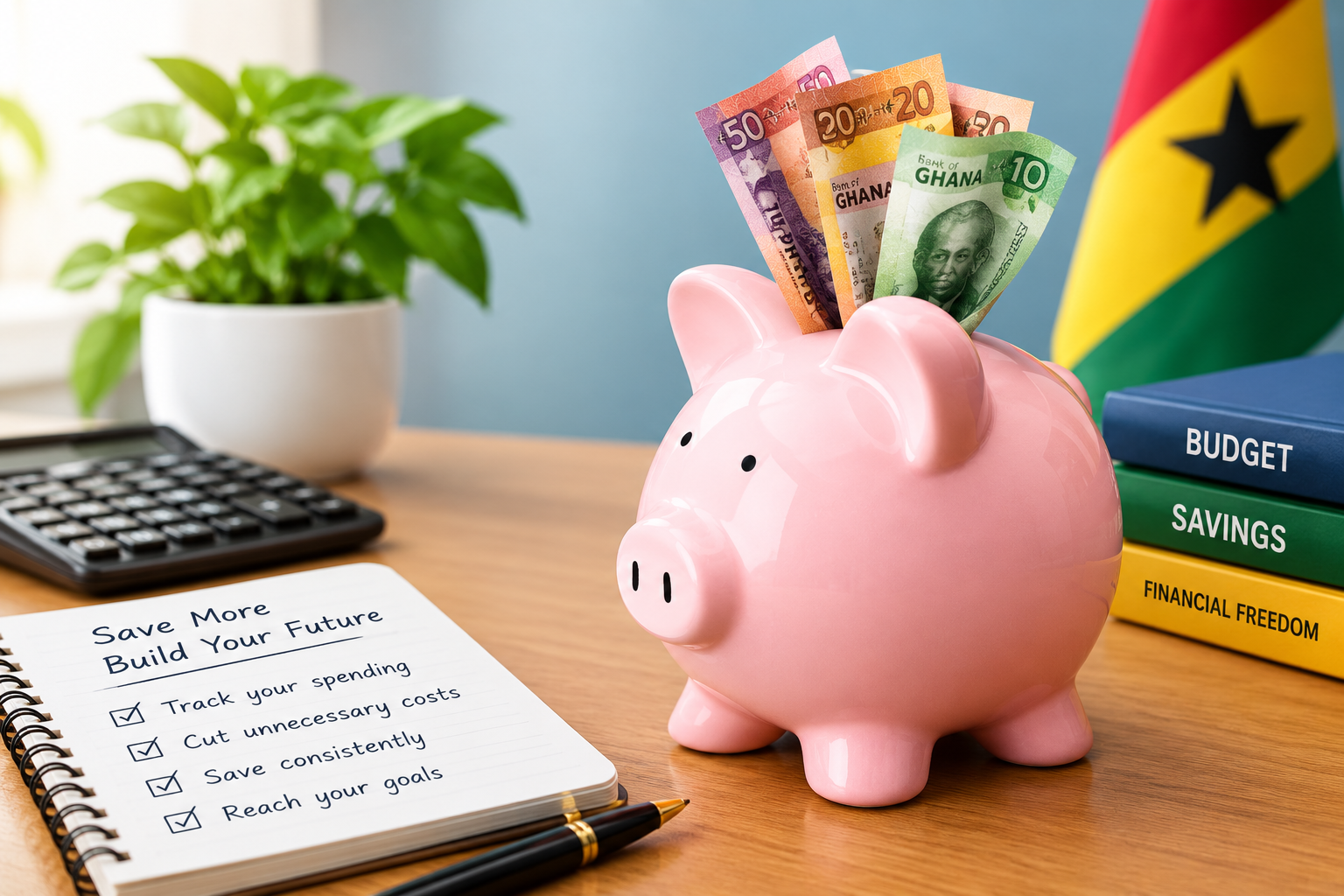
How to Save Money on a Low Income in Ghana
Saving money can feel almost impossible when your income is barely enough to cover your daily needs. For many people in Ghana, the problem is not that they do...

How to Create a Personal Budget That Actually Works
Creating a personal budget sounds simple: write down your income, list your expenses, and make sure you do not spend more than you earn. But in reality, many...
Comments (0)
No comments yet. Be the first to share your thoughts.