Cedi depreciates further but maintains a firm grip on forex support
Liwalmor M-Moadan
Journalist
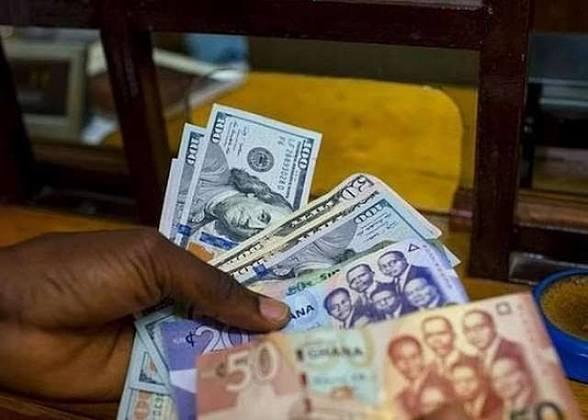
The Ghana cedi weakened modestly against major international currencies over the past two weeks, but sustained foreign exchange intervention by the Bank of Ghana and fresh inflows from the International Monetary Fund (IMF) continued to prevent sharper losses, underscoring the central bank’s determination to maintain exchange rate stability.
The local currency slipped 0.47% against the US dollar in the interbank market to close at GH¢11.69/$, while falling 1.36% against the pound sterling and 1.58% against the euro. In the retail market, the cedi remained comparatively resilient, easing only 0.21% to GH¢12.13/$, with the pound and euro largely unchanged.
The latest performance marks a reversal from June’s appreciation, with the cedi declining 2.91% against the dollar during July despite the Bank of Ghana injecting an estimated US$1 billion into the foreign exchange market, following US$1.2 billion in interventions a month earlier.
According to Databank Research, the currency’s recent movement broadly matched expectations, with the dollar trading within the projected GH¢11.60–GH¢11.70 range during the review period.
Looking ahead, the research firm expects the central bank’s planned US$1 billion forex intermediation for August, combined with the recent US$371 million IMF Extended Credit Facility (ECF) disbursement, to provide sufficient market liquidity and help stabilise investor sentiment.
However, analysts caution that persistent commercial demand for foreign currency and higher energy-related import payments are likely to keep the cedi under gradual depreciation pressure in the coming weeks.
Databank forecasts that exchange rate volatility will remain contained, with the dollar expected to trade within a range of approximately GH¢11.40 to GH¢11.85 over the near term.
Despite the recent pullback, the cedi has still recorded a 0.41% year-to-date gain, highlighting the effectiveness of the Bank of Ghana’s intervention strategy in containing broader currency volatility amid challenging external financing conditions.
Written by
Liwalmor M-Moadan
M-Moadan is dedicated journalist committed to delivering accurate, timely, and impactful news. Passionate about uncovering the facts, telling meaningful stories, and keeping the public informed with integrity and professionalism.
Related Stories

Accra and Kumasi Expressway: Government Targets Full Funding by End of 2026 as Military Clears 170km Corridor
Ghana’s ambitious Accra and Kumasi Expressway project has moved closer to its construction phase, with the government announcing that it expects to secure the...
Ghana Immigration clears beggars from the streets of Accra and Kumasi
1,055 beggars remove from the street of Accra and Kumasi, Ghana Immigration Service migrant as part of an operation targeting undocumented foreign nationals....
Star Oil cuts petrol below GH¢15 as Ghana fuel retailers begin August price reset
Some Oil Marketing Companies (OMCs) began reviewing petroleum product prices on Monday, August 17, with Star Oil emerging as one of the first large retailers...
Comments (0)
No comments yet. Be the first to share your thoughts.