COPEC Says Ghana’s 1,200MW Power Push Must Spark an Economic Revolution
Liwalmor M-Moadan
Journalist

Ghana’s quest to secure its energy future has received a major vote of confidence, with the Chamber of Petroleum Consumers (COPEC) endorsing the government’s proposal to add 1,200 megawatts (MW) of new electricity generation capacity to the national grid.
The endorsement comes at a pivotal moment as the country seeks to position itself as a competitive industrial hub while meeting the rising energy demands of businesses, households and an expanding digital economy.
COPEC believes the additional generating capacity could become a catalyst for accelerated economic growth, improved investor confidence and increased industrial productivity if executed with sound planning and strong financial discipline.
According to the chamber, reliable electricity has become one of the most critical ingredients for sustainable economic development, and expanding Ghana’s generation capacity is necessary to prevent future supply constraints that could undermine business expansion and job creation.
However, the organisation warned that increasing generation alone will not solve the structural challenges facing Ghana’s power sector.
It argued that the country’s energy strategy must extend beyond building new plants to fixing long-standing inefficiencies in electricity transmission, distribution and revenue collection. Without tackling these systemic weaknesses, COPEC cautioned, additional power generation could simply increase operational costs while leaving consumers with little improvement in service delivery.
The consumer advocacy body also urged government to prioritise transparency in project implementation and ensure the expansion is financed through sustainable arrangements that do not worsen the financial burden on the energy sector or lead to unnecessary tariff increases for consumers.
COPEC stressed that Ghana’s energy transition should be built on three pillars: affordability, reliability and financial sustainability. It maintained that electricity must remain accessible to households while providing industries with the dependable power needed to expand production, create jobs and enhance national competitiveness.
The chamber further noted that the proposed 1,200MW expansion should form part of a broader long-term energy strategy that strengthens grid resilience, encourages private investment and supports the country’s industrialisation agenda.
As Ghana continues to pursue economic transformation, COPEC says the true measure of success will not be the number of megawatts added to the grid, but whether the investment delivers uninterrupted electricity, strengthens the economy and improves the quality of life for millions of Ghanaians.
Written by
Liwalmor M-Moadan
M-Moadan is dedicated journalist committed to delivering accurate, timely, and impactful news. Passionate about uncovering the facts, telling meaningful stories, and keeping the public informed with integrity and professionalism.
Related Stories
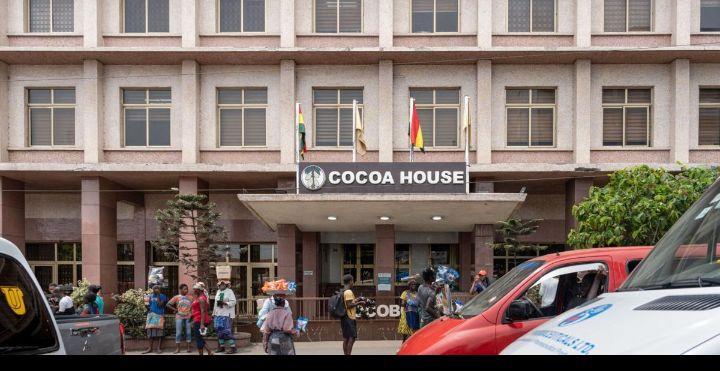
COCOBOD SECURES GH¢3.396BN IN LOCAL FUNDING DRIVE
Ghana's cocoa financing effort has brought in GH¢3.396 billion from local institutional investors, providing the Ghana Cocoa Board (COCOBOD) with fresh funds...

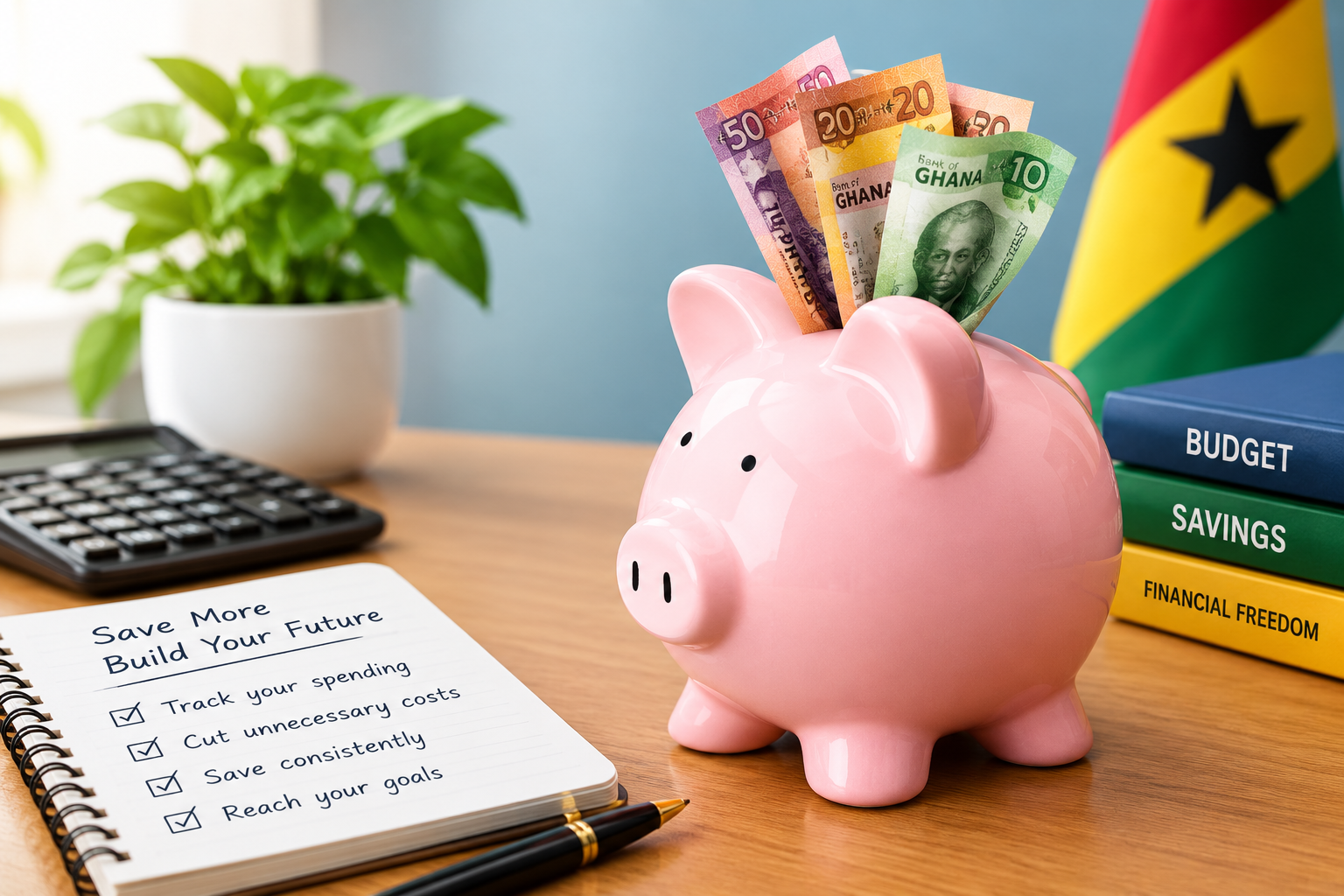
How to Save Money on a Low Income in Ghana
Saving money can feel almost impossible when your income is barely enough to cover your daily needs. For many people in Ghana, the problem is not that they do...

How to Create a Personal Budget That Actually Works
Creating a personal budget sounds simple: write down your income, list your expenses, and make sure you do not spend more than you earn. But in reality, many...
Comments (0)
No comments yet. Be the first to share your thoughts.