Databank Sees BoG Cutting Policy Rate to 12–13% in September
Liwalmor M-Moadan
Journalist
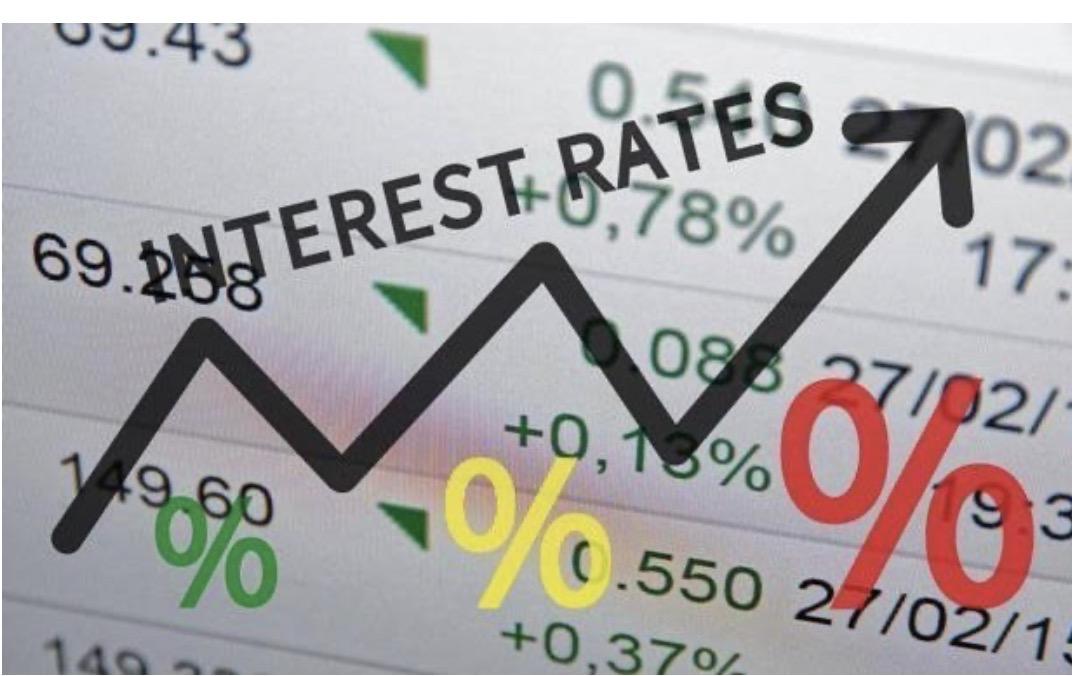
The Bank of Ghana could resume its monetary easing cycle as early as September, with Databank Research projecting a reduction in the benchmark policy rate to between 12% and 13%, provided inflation continues to normalise and external risks remain contained.
The forecast follows the Monetary Policy Committee’s decision to keep the policy rate unchanged at 14% for a second consecutive meeting, reflecting policymakers’ preference to balance domestic disinflation against mounting global uncertainties, particularly renewed geopolitical tensions in the Middle East.
In its latest research note, Databank argued that the recent uptick in inflation should not be interpreted as a reversal of Ghana’s disinflation gains but rather as a return towards the Bank of Ghana’s medium-term inflation target of 8% ±2 percentage points after inflation fell to unusually low levels of around 3% earlier this year.
The investment research firm expects improved domestic food supplies from the August harvest to help moderate food inflation, while continued stability in the cedi should further ease imported price pressures. Together, these factors could provide the central bank with sufficient confidence to begin easing borrowing costs in support of economic activity.
Databank also pointed to developments in global energy markets as a critical variable. It said any easing of geopolitical tensions that keeps crude oil prices below US$80 per barrel would reduce imported inflation risks and widen the Bank of Ghana’s room to lower interest rates.
Governor Dr Johnson Pandit Asiama defended the MPC’s decision to hold rates at 14%, saying the current policy stance remains appropriate to steer inflation sustainably towards target while allowing policymakers to assess the economic implications of heightened global uncertainty and conflict in the Middle East.
A policy rate cut in September would signal growing confidence that inflation is becoming firmly anchored, while marking a gradual shift in the central bank’s focus from fighting inflation towards supporting investment, credit expansion and broader economic growth.
Written by
Liwalmor M-Moadan
M-Moadan is dedicated journalist committed to delivering accurate, timely, and impactful news. Passionate about uncovering the facts, telling meaningful stories, and keeping the public informed with integrity and professionalism.
Related Stories
COCOBOD SECURES GH¢3.396BN IN LOCAL FUNDING DRIVE
Ghana's cocoa financing effort has brought in GH¢3.396 billion from local institutional investors, providing the Ghana Cocoa Board (COCOBOD) with fresh funds...


How to Save Money on a Low Income in Ghana
Saving money can feel almost impossible when your income is barely enough to cover your daily needs. For many people in Ghana, the problem is not that they do...

How to Create a Personal Budget That Actually Works
Creating a personal budget sounds simple: write down your income, list your expenses, and make sure you do not spend more than you earn. But in reality, many...
Comments (0)
No comments yet. Be the first to share your thoughts.