Deloitte Backs Ghana’s Revenue Strategy as Compliance Gains Offset Tax Cuts
Liwalmor M-Moadan
Journalist

Professional services firm Deloitte has endorsed the government’s domestic revenue mobilisation strategy, saying the 2026 Mid-Year Budget Review provides evidence that Ghana is improving tax collection through stronger compliance and administrative reforms rather than imposing additional tax burdens.
In its assessment of the Mid-Year Budget Review, Deloitte noted that although total revenue and grants marginally missed first-half targets, the underlying performance of domestic tax mobilisation remained encouraging.
The firm highlighted that non-oil tax revenue increased from 12.6% of GDP in 2024 to 13.1% in 2025, a development achieved despite the government’s decision to abolish several taxes in 2025.
According to Deloitte, the improvement reflects a structural shift in Ghana’s revenue collection framework, with stronger compliance, enhanced tax administration and technology-driven collection systems becoming increasingly important sources of government revenue.
“Revenue growth appears to be increasingly driven by improved compliance, administrative efficiency and technology-enabled tax collection rather than higher tax rates. This is a positive development for businesses and investors,” the firm observed.
The assessment suggests Ghana is making progress toward strengthening fiscal sustainability without placing additional tax pressure on businesses, a strategy widely regarded as more supportive of investment and private-sector growth.
Deloitte urged the government to sustain reforms aimed at broadening the tax base, improving taxpayer compliance and sealing leakages across the tax system. It argued that long-term improvements in Ghana’s tax-to-GDP ratio would be more effectively achieved through administrative efficiency than through repeated increases in tax rates.
The comments reinforce the government’s narrative that stronger tax administration, digitalisation and compliance reforms can generate sustainable domestic revenue while preserving the country’s competitiveness and supporting economic growth.
Written by
Liwalmor M-Moadan
M-Moadan is dedicated journalist committed to delivering accurate, timely, and impactful news. Passionate about uncovering the facts, telling meaningful stories, and keeping the public informed with integrity and professionalism.
Related Stories
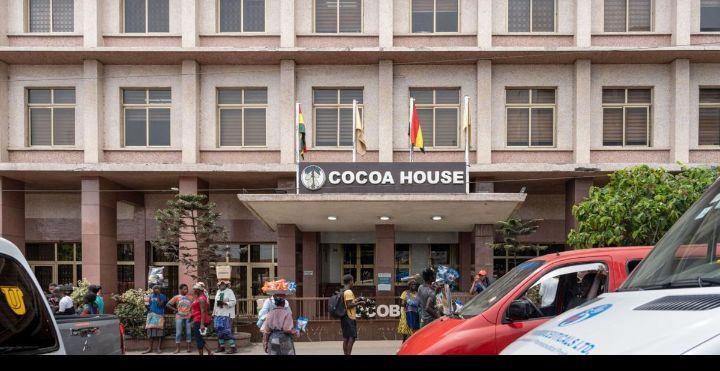
COCOBOD SECURES GH¢3.396BN IN LOCAL FUNDING DRIVE
Ghana's cocoa financing effort has brought in GH¢3.396 billion from local institutional investors, providing the Ghana Cocoa Board (COCOBOD) with fresh funds...

How to Save Money on a Low Income in Ghana
Saving money can feel almost impossible when your income is barely enough to cover your daily needs. For many people in Ghana, the problem is not that they do...

How to Create a Personal Budget That Actually Works
Creating a personal budget sounds simple: write down your income, list your expenses, and make sure you do not spend more than you earn. But in reality, many...
Comments (0)
No comments yet. Be the first to share your thoughts.