Dollar Rebounds as Fed Pause Gives Way to Iran Risk Premium
Liwalmor M-Moadan
Journalist
The US dollar regained strength on Thursday as investors sought the safety of the world’s reserve currency following fresh US air strikes on Iran, eclipsing an initially dovish market response to the Federal Reserve’s decision to leave interest rates unchanged.
The dollar index rose 0.10 per cent to 100.93 after briefly slipping to a one-week low in the immediate aftermath of the Fed’s policy announcement. The euro eased to US$1.1458, sterling held broadly steady ahead of the Bank of England’s policy decision, while the Japanese yen remained under pressure near historically weak levels against the dollar.
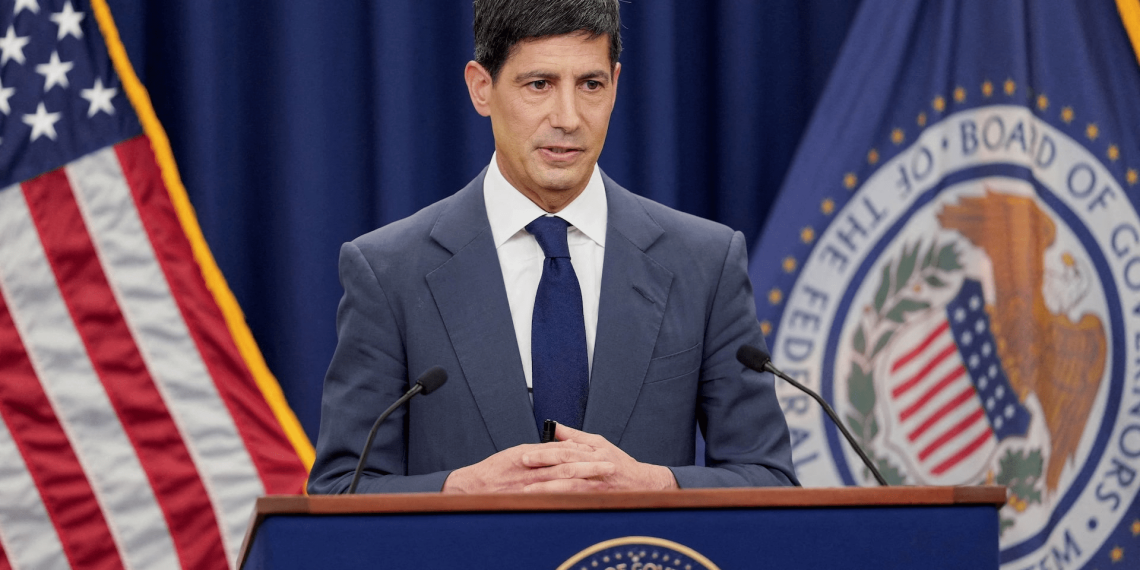
The Federal Reserve kept its benchmark interest rate unchanged at 3.50–3.75 per cent, although an unusually divided Federal Open Market Committee underscored growing concern over inflation, with three policymakers voting for a quarter-point increase. Fed Chair Kevin Warsh described the central bank’s approach as one of “watchful thinking”, signalling that policymakers remain cautious rather than committed to further tightening.
Markets initially interpreted the decision as supportive of risk assets before sentiment shifted sharply after Washington announced additional military strikes on Iran, reviving demand for traditional safe-haven assets.
The geopolitical escalation has also complicated the Fed’s inflation outlook. Brent crude traded close to US$90 a barrel, raising concerns that higher energy costs could reignite inflationary pressures and delay the central bank’s path towards easier monetary policy.
Reflecting those concerns, the yield on the 30-year US Treasury climbed above 5.20 per cent, its highest level in nearly two decades, as investors demanded greater compensation for long-term inflation and fiscal risks.
Attention now turns to the US Personal Consumption Expenditures (PCE) price index, the Federal Reserve’s preferred inflation gauge. A stronger-than-expected reading could reinforce expectations that US interest rates will remain elevated for longer, extending support for the dollar.
For emerging and frontier economies, the combination of a firmer dollar, elevated Treasury yields and higher oil prices presents renewed headwinds by increasing external borrowing costs, import bills and pressure on domestic currencies.
The latest market moves suggest that, despite expectations of a prolonged Fed pause, geopolitical tensions and energy-driven inflation risks are once again strengthening the dollar’s appeal as the world’s preferred safe-haven currency.
Written by
Liwalmor M-Moadan
M-Moadan is dedicated journalist committed to delivering accurate, timely, and impactful news. Passionate about uncovering the facts, telling meaningful stories, and keeping the public informed with integrity and professionalism.
Related Stories

PUTIN MEETS TRUMP ENVOYS: IS UKRAINE FINALLY MOVING CLOSER TO PEACE
A new diplomatic effort to end the Russia-Ukraine war has placed peace negotiations back in the international spotlight after months of stalled progress. On...

Senegal’s $11 Billion Debt Crisis: The Financial Storm Shaking West Africa
Senegal is confronting one of the most severe sovereign debt crises in recent African history after audits revealed that its public debt was vastly...


US$50m Hostage Ransom Supercharged al-Qaeda’s Mali Offensive, UN Report Says
A single hostage ransom estimated at US$50 million has emerged as a significant source of financing for al-Qaeda-linked militants in the Sahel, helping...
Comments (0)
No comments yet. Be the first to share your thoughts.