ECOWAS Revives ECO Currency Agenda, Targets 2027 Launch to Deepen West African Trade
Liwalmor M-Moadan
Journalist
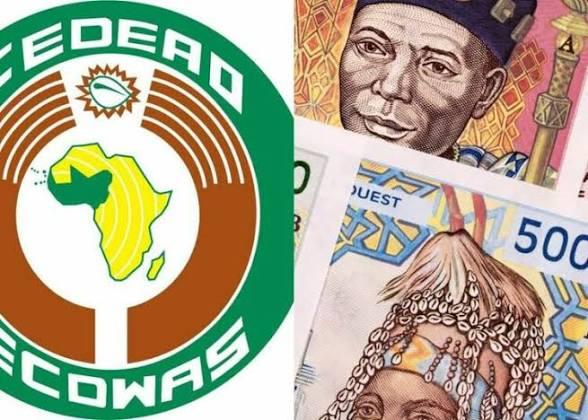
West African leaders have renewed their commitment to introducing the ECO single currency by 2027, signalling a fresh push to accelerate regional economic integration and unlock greater cross-border trade despite longstanding macroeconomic challenges that have repeatedly delayed the project.
The renewed pledge was endorsed during the 67th Ordinary Session of the ECOWAS Authority of Heads of State and Government, where leaders reaffirmed that the common currency remains central to the bloc’s vision of creating a more integrated and competitive regional economy.
The ECO, first proposed more than two decades ago, is expected to eliminate exchange rate barriers among participating member states, lower the cost of cross-border transactions, facilitate investment flows and strengthen intra-regional trade across the 15-member bloc.
Unlike previous proposals for a simultaneous rollout, ECOWAS is expected to adopt a phased implementation strategy, allowing only countries that satisfy agreed macroeconomic convergence criteria—including inflation, fiscal deficits, public debt sustainability and foreign reserve thresholds—to join the monetary union initially.
The renewed commitment comes at a time when several member states continue to grapple with inflationary pressures, currency depreciation and widening fiscal deficits, factors that have repeatedly forced the postponement of the single currency project.
Economists say the phased approach reflects a more pragmatic strategy aimed at safeguarding the credibility of the future monetary union while encouraging governments to strengthen fiscal discipline and monetary stability before adoption.
For businesses, the introduction of a common currency could significantly reduce foreign exchange conversion costs, improve price transparency and ease cross-border payments, potentially boosting trade and investment within one of Africa’s largest regional markets.
For Ghana, successful implementation of the ECO could enhance trade competitiveness and deepen commercial ties with neighbouring economies. However, participation will depend on the country’s ability to consistently meet the bloc’s convergence benchmarks ahead of the proposed 2027 launch.
While the renewed timeline signals stronger political resolve, analysts caution that the credibility of the initiative will ultimately depend on whether member states can deliver the economic reforms necessary to sustain a viable monetary union after years of missed deadlines.
Written by
Liwalmor M-Moadan
M-Moadan is dedicated journalist committed to delivering accurate, timely, and impactful news. Passionate about uncovering the facts, telling meaningful stories, and keeping the public informed with integrity and professionalism.
Related Stories

Ghana’s Gold Revolution: Can Refining Gold at Home Finally Keep More of the Country’s Wealth in Ghana?
For generations, Ghana has drawn enormous wealth from beneath its soil, yet much of the value created from that wealth has flowed beyond its borders. Now,...
GoldBod Targets $1.4bn as BoG Reduces September Dollar Sales
The Bank of Ghana (BoG) has sharply reduced the amount of foreign exchange it plans to supply to the market in September 2026. Market data indicate that the...
Four CIIG Awards Strengthen Enterprise Insurance’s Leadership Position
Enterprise Insurance emerged as the most successful company at the sixth Chartered Insurance Institute of Ghana (CIIG) Awards, securing four major honours at...
Comments (0)
No comments yet. Be the first to share your thoughts.