Former UCC SRC PRO Wiafe Felix Nana Calls for Stronger Student Action as Hostel Fees Surge
Liwalmor M-Moadan
Journalist
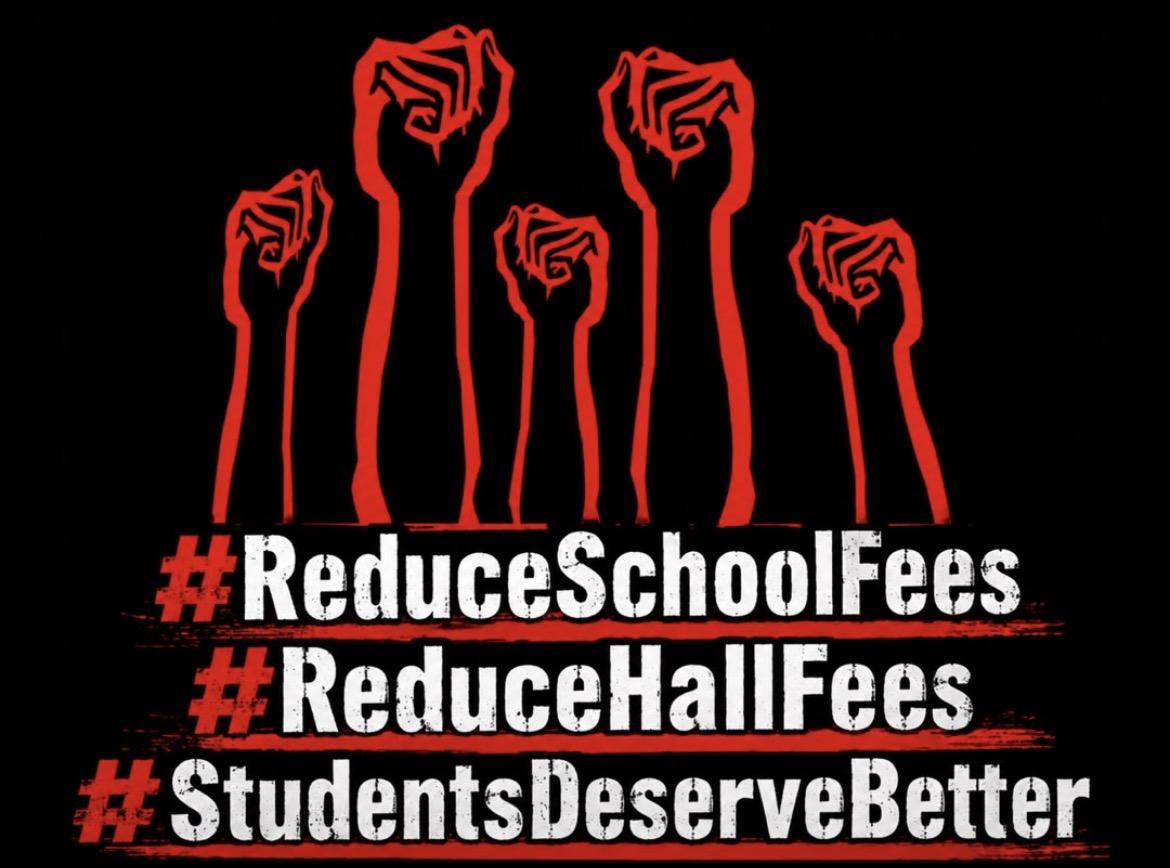
Former Public Relations Officer of the University of Cape Coast Students’ Representative Council (UCC SRC) under the 62nd administration, Wiafe Felix Nana, has launched a strong advocacy campaign against rising student accommodation costs, calling on the current SRC leadership to intensify engagements with university management and other stakeholders as concerns over hostel fees deepen across Ghana’s tertiary institutions.
His intervention comes amid growing agitation among university students over sharp increases in private hostel charges, with student groups across the country demanding regulatory intervention and more affordable accommodation.
From the University of Cape Coast to the University of Ghana and the Kwame Nkrumah University of Science and Technology (KNUST), accommodation is increasingly becoming one of the biggest components of the cost of tertiary education, placing additional pressure on students and their families.
At UCC, Wiafe Felix Nana is calling for a more coordinated response, arguing that the accommodation challenge has reached a point where student leaders must move beyond expressing concern and pursue sustained engagement with the relevant authorities.
He has particularly challenged the current UCC SRC to be proactive in its approach, asking university management the necessary questions and demanding clear responses on measures being taken to address the rising cost of accommodation.
According to the former SRC PRO, students elected their representatives and entrusted them with the responsibility of serving as their mouthpiece, making it imperative for the Council to intensify its advocacy when critical welfare issues emerge.
“The SRC must do more. Students have entrusted them with the responsibility to be their mouthpiece, and they must be proactive in asking management the right questions and demanding the proper responses as far as these rising accommodation costs are concerned,” Wiafe Felix Nana said.
He is therefore urging the Council to beef up its advocacy, deepen engagement with management and ensure that concerns raised by students are translated into concrete discussions with those capable of influencing accommodation policy.
But Wiafe Felix Nana maintains that responsibility for tackling the problem cannot be placed entirely on the SRC.
“The SRC alone cannot fight this battle. We need everyone to join the advocacy,” he said, calling for the involvement of students, parents, alumni, university authorities, government agencies, hostel owners and other stakeholders.
The intervention adds to a growing national student campaign against accommodation costs.
At KNUST, members of University Hall, popularly known as Katanga, recently used the National Youth Conference in Kumasi to protest rising private hostel charges.
The students displayed placards bearing messages including “Reduce hostel fees now!” and “We came to learn, not to sleep,” bringing the accommodation crisis directly into the national conversation.
The protests reflect mounting frustration among students who argue that private hostel charges are increasing without corresponding improvements in facilities and services.
In some cases, students have complained about inadequate water supply, poorly maintained rooms and other infrastructure challenges despite substantial increases in accommodation charges.
The National Union of Ghana Students (NUGS) has also joined the campaign, raising concerns over practices in the private rental market, including demands by some landlords and hostel operators for significant advance payments.
At UCC, accommodation affordability is particularly significant because university residential facilities cannot accommodate the entire student population. Thousands of students consequently depend on private hostels and rented accommodation in communities surrounding the university.
This creates a structural dependence on the private accommodation market, leaving students vulnerable to substantial increases in rent.
The consequences extend beyond student welfare.
Accommodation has increasingly become part of the wider economics of access to tertiary education. A student may secure admission and meet academic fee requirements but still struggle to remain in school if suitable accommodation becomes unaffordable.
For families already financing tuition, feeding, transportation, books and other educational expenses, significant hostel increases can place considerable pressure on household finances.
That reality underpins Wiafe Felix Nana’s call for stronger institutional action.
While recognising that private hostel operators face their own operating expenses — including utilities, maintenance, security, financing and property development costs — the former SRC executive believes students deserve greater engagement and transparency when accommodation costs rise substantially.
His advocacy therefore seeks both immediate intervention and a broader conversation about how universities can ensure that accommodation does not become an obstacle to education.
Government agencies have already begun responding to similar concerns nationally, with rent authorities stepping up engagements and inspections in some university communities following complaints from students.
The wider policy challenge, however, remains the shortage of affordable student accommodation.
Continued growth in tertiary enrolment without a corresponding expansion in residential infrastructure has created strong demand for private hostels around major campuses. Unless supply expands sufficiently, pressure on accommodation prices is likely to persist.
Public-private investment in purpose-built student housing could therefore form part of the longer-term response, alongside stronger enforcement of rental regulations and closer cooperation among universities, student representatives and hostel operators.
For UCC, however, Wiafe Felix Nana believes the immediate task is ensuring that students have a strong institutional voice in the conversation.
He wants the current SRC to increase its engagements, communicate clearly with students about steps being taken and hold constructive discussions with management and relevant authorities on possible interventions.
The former PRO’s intervention also places responsibility on the broader student population. Effective advocacy, he argues, will require students themselves to support their representatives, speak collectively and sustain attention on the issue rather than leaving the campaign entirely to a handful of student leaders.
As similar protests spread across Ghana’s universities, the debate is evolving from complaints about individual hostel operators into a broader discussion about affordability, regulation and access to tertiary education.
For Wiafe Felix Nana, the message from Cape Coast is clear: the current UCC SRC must rise to its responsibility as the voice of students, but it cannot win the accommodation battle without the collective support of the university community and other stakeholders.
With another academic year approaching, students will be watching closely to see whether growing advocacy translates into meaningful engagements and, ultimately, relief from accommodation costs that are increasingly stretching household budgets and threatening the affordability of university education.
Written by
Liwalmor M-Moadan
M-Moadan is dedicated journalist committed to delivering accurate, timely, and impactful news. Passionate about uncovering the facts, telling meaningful stories, and keeping the public informed with integrity and professionalism.
Related Stories

8,295 WASSCE Candidates Hit by Result Cancellations: What Is Went Wrong?
The release of Ghana’s 2026 West African Senior School Certificate Examination (WASSCE) results has brought relief to thousands of students. Yet behind the...

50 Things Every Young Ghanaian Should Know About Money
Money is one of the most important life skills every young Ghanaian needs—but unfortunately, financial education is rarely taught in school. You can spend...


GRA Drops Major Clarification on Travelers Carrying Multiple Phones Into Ghana — The “2 Phones” Rule Was Never Automatic
GRA Drops Major Clarification on Travellers Carrying Multiple Phones Into Ghana The “2 Phones” Rule Was Never Automatic Accra, Ghana — September 4, 2026: If...
Comments (0)
No comments yet. Be the first to share your thoughts.