Ghana Launches Waterway Demolitions in Aggressive Drive to Reduce Accra Flood Risk
Liwalmor M-Moadan
Journalist
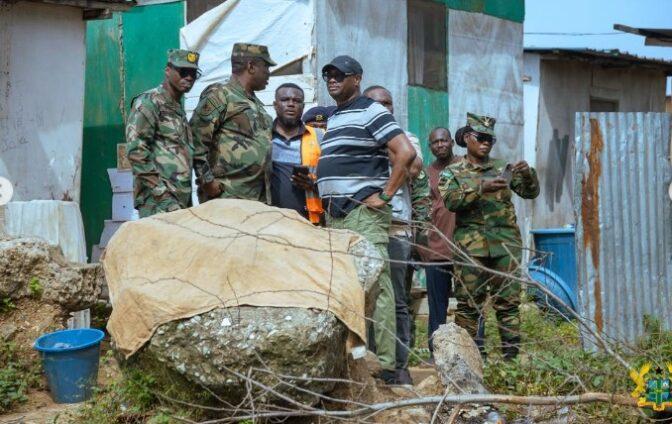
Ghana’s Flood Mitigation Task Force has launched a large-scale demolition exercise targeting structures built on waterways, marking a more aggressive phase of the government’s strategy to reduce chronic flooding in the capital by restoring natural drainage channels.
The operation, led by Brigadier General Forster Okae Yeboah, combines enforcement actions against illegal developments with engineering works including dredging and desilting of drains across vulnerable communities before the peak of the rainy season.
One of the first major interventions is centred on the Tesa Dam along Boundary Road in East Legon, where demolition crews have begun clearing structures erected along the dam’s banks. Officials say years of encroachment have narrowed the watercourse, significantly limiting its capacity to convey stormwater during heavy rainfall.
In parallel, engineers are dredging drains and clearing silted channels to increase water-carrying capacity and improve the efficiency of the city’s drainage network.
Speaking during Friday’s exercise, Brigadier General Okae Yeboah said the initiative represents a shift from reactive disaster management toward addressing the structural causes of urban flooding.
“The objective is to restore the natural flow of water by removing obstructions and rehabilitating drainage infrastructure,” he said, adding that the programme seeks to reduce the exposure of communities to recurring flood risks.
The task force indicated that the operation will extend beyond Tesa Dam, with similar demolition and drainage rehabilitation exercises planned across several flood-prone areas in the Greater Accra Region.
The initiative forms part of the government’s broader flood prevention programme, which seeks to strengthen urban resilience through stricter enforcement of planning regulations, improved drainage infrastructure and proactive flood-risk management.
For investors and businesses, the programme underscores the growing economic importance of climate adaptation and urban infrastructure management. Seasonal flooding has repeatedly disrupted commercial activity, damaged property, strained public finances and exposed weaknesses in land-use enforcement, making effective flood mitigation increasingly critical to safeguarding economic productivity in the capital.
Written by
Liwalmor M-Moadan
M-Moadan is dedicated journalist committed to delivering accurate, timely, and impactful news. Passionate about uncovering the facts, telling meaningful stories, and keeping the public informed with integrity and professionalism.
Related Stories
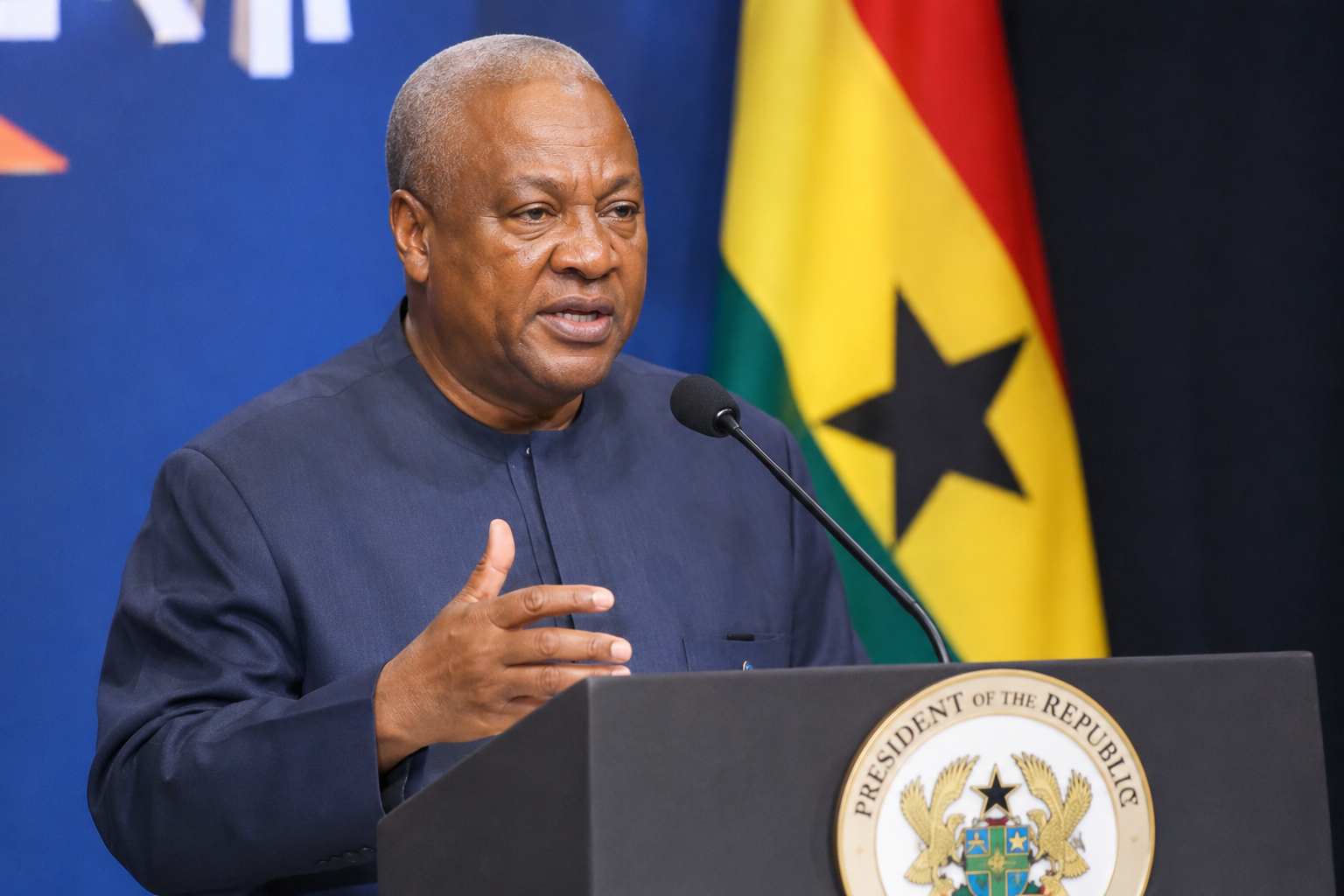
President Mahama Sets 2030 Deadline for Ghana’s Raw Mineral Exports
Ghana has set its sights on a major change in the way it earns from its mineral resources, with President John Dramani Mahama announcing a 2030 target to end...
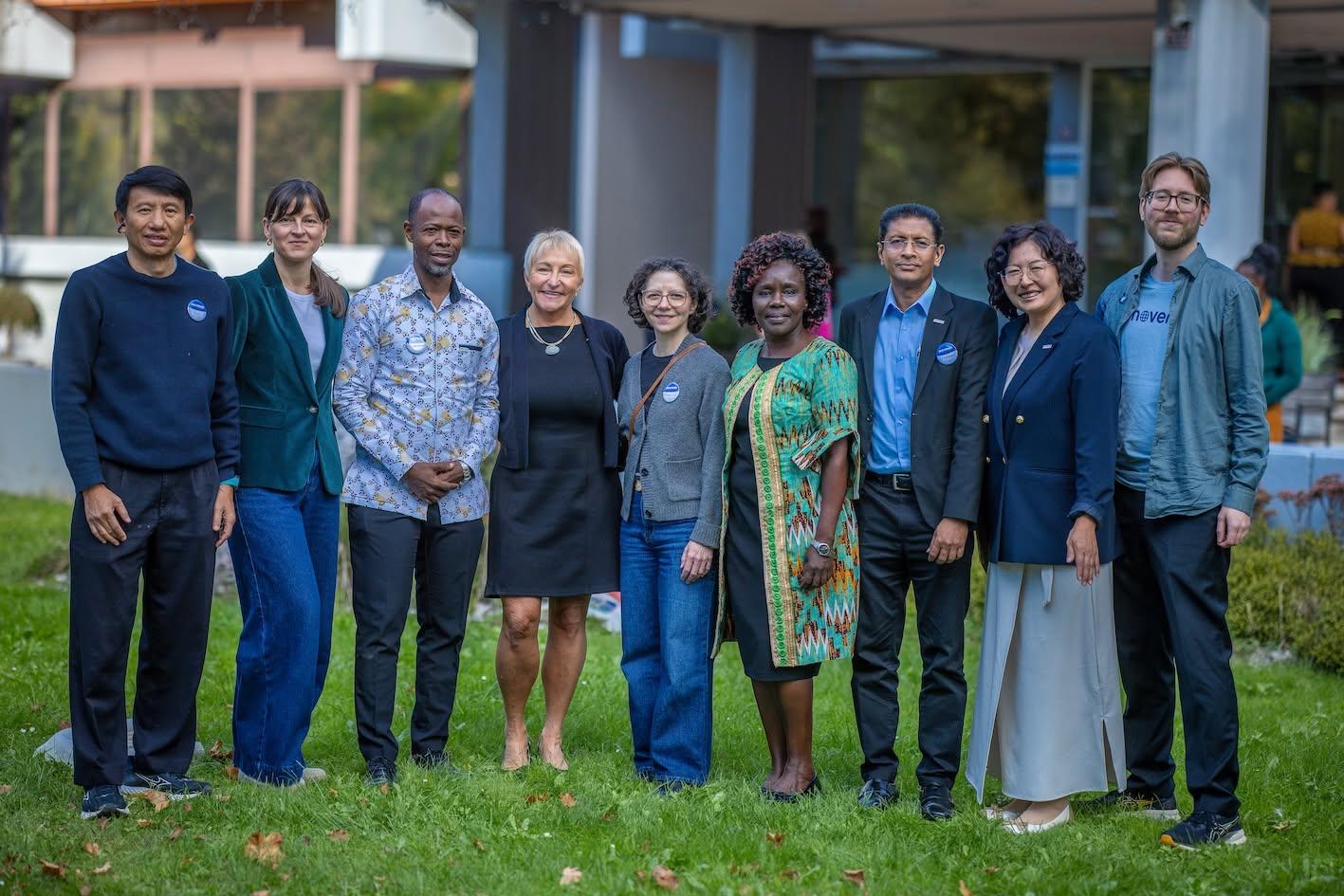
Executive Director of VAST Ghana secures his second term on Movendi international Board
Mr Labram Musah Massawudu, Executive Director of Vision for Accelerated Sustainable Development Ghana (VAST Ghana), has been re-elected to the International...
Executive Director of VAST Ghana secures his second term on Movendi International Board of
Mr.Labram Musah Massawudu, Executive Director of Vision for Accelerated Sustainable Development Ghana (VAST Ghana), has been re-elected to the International...
Comments (0)
No comments yet. Be the first to share your thoughts.