President Mahama Sets 2030 Deadline for Ghana’s Raw Mineral Exports
Sarah
Senior Reporter
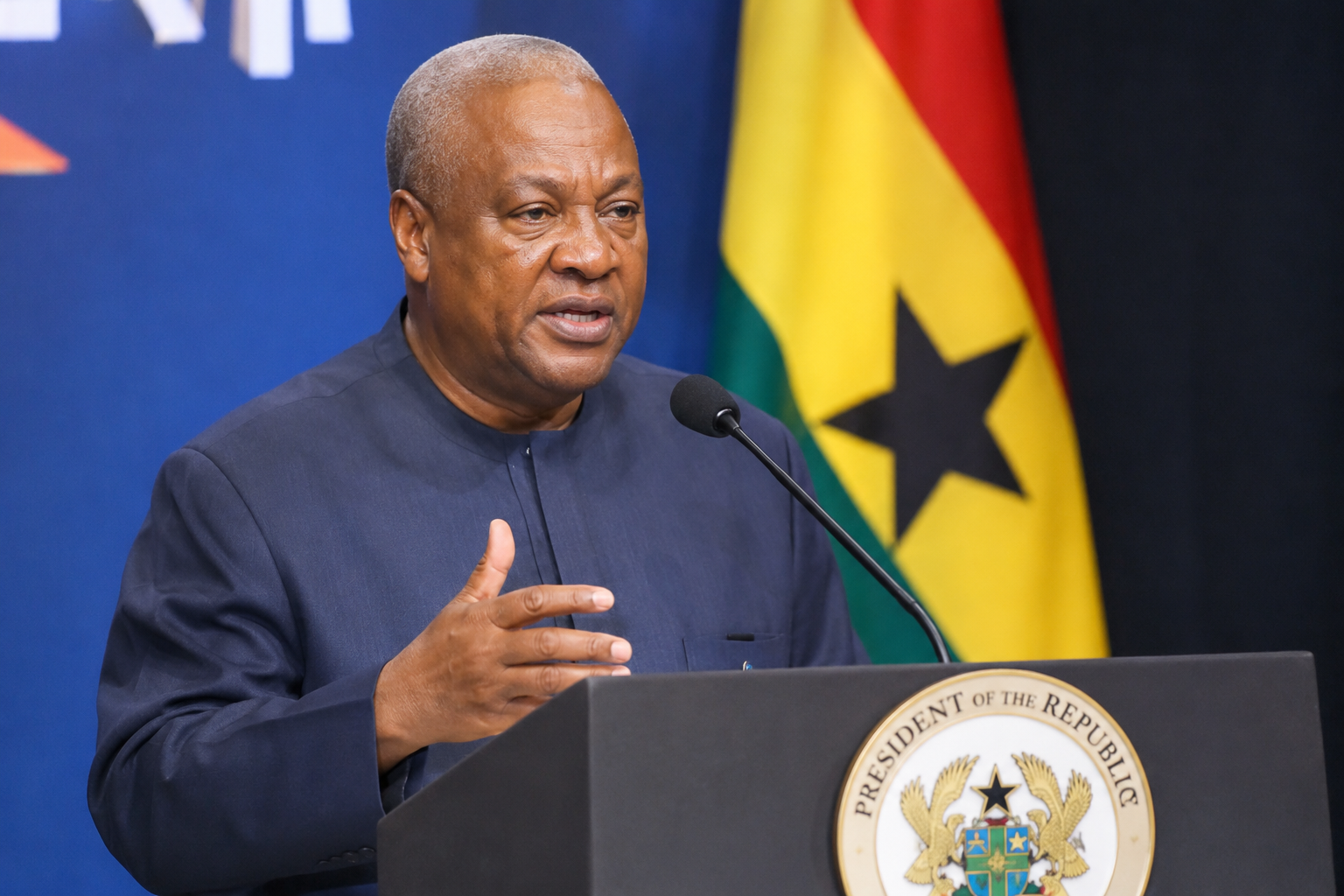
Ghana has set its sights on a major change in the way it earns from its mineral resources, with President John Dramani Mahama announcing a 2030 target to end exports of unprocessed mineral ores.
The proposed change is intended to encourage the development of local industries capable of turning the country’s natural resources into products for manufacturing and other economic activities.
President Mahama announced the target on Monday, October 19, 2026, when he addressed the opening of the Mining in Motion Summit in Accra. "The government would introduce restrictions in stages, with legal backing and separate requirements for different minerals" Prez Mahama said.
The plan covers resources including bauxite, manganese, iron and lithium. Rather than relying heavily on the sale of minerals in their raw state, Ghana wants a greater share of the economic activity associated with processing and manufacturing to take place within its borders.
The proposed restrictions raise an important question about Ghana’s ability to process its mineral resources on a large scale. Achieving the 2030 target will require more than limiting exports; it will also depend on investment in processing facilities, reliable infrastructure, technical expertise and financing.
The President linked the policy to the need to strengthen domestic manufacturing. President Mahama pointed to opportunities in aluminium production, iron and steel manufacturing, gold refining and other industries that could make greater use of locally sourced materials.
For instance, a stronger aluminium industry could connect bauxite extraction with refining and the production of finished aluminium goods. Similar links between iron ore and steel production could supply materials for construction, transport and mining operations.
Such developments could create opportunities for local businesses and workers, although the scale of the benefits will depend on the facilities established and the investments secured.
The government has also indicated that companies seeking access to Ghana’s mineral resources should understand the processing obligations attached to their operations.
Beyond Ghana’s domestic plans, the President called for African countries to coordinate their mineral policies and improve their negotiating position in dealings with international mining companies.
Countries competing against one another by offering increasingly favourable tax arrangements and royalty rates risk weakening their ability to secure better returns from their resources, he argued.
President John Darmani also called for closer alignment around the African Union’s Agenda 2063, the African Mining Vision and the African Continental Free Trade Area (AfCFTA).
Cooperation under these frameworks could help countries develop regional production networks, improve trade between African markets and create opportunities for businesses to supply materials across national borders.
The President also linked the discussion to Ghana’s expected role in leading the African Union in 2027, saying the country would use that position to advance the Accra Reset agenda.
The proposed industrial expansion comes alongside concerns about the environmental consequences of mining, particularly illegal small-scale operations commonly known as galamsey in Ghana.
President Mahama stressed the importance of enforcing mining regulations, protecting forests and ensuring that damaged land is properly reclaimed.
He also referred to efforts to improve monitoring and coordination among relevant agencies to identify illegal mining activities and respond before further environmental damage occurs.
The challenge for authorities will be to pursue economic opportunities from the mining sector while protecting water bodies, forests and communities affected by mining activities.
The President maintained that Ghana remained open to international investment but emphasised the need for partnerships that contribute to domestic industrial development.
He called for investors to bring technology, financing and technical expertise while supporting local businesses and developing the skills of Ghanaian workers.
He also highlighted the importance of widening opportunities for women and young people through training, access to finance and participation in supply contracts.
The proposed changes will require cooperation between government, mining companies, financial institutions, technical experts and local manufacturers.
With 2030 identified as the target for ending exports of unprocessed mineral ores, the next stage will involve translating the announcement into workable regulations and building the capacity required to process more of Ghana’s mineral wealth at home.
Written by
Sarah
Serah is a committed reporter who is keen on accurate delivering, timely, and impactful news. Passionate about uncovering the facts, telling meaningful stories, and keeping the public informed with integrity and professionalism.
Related Stories
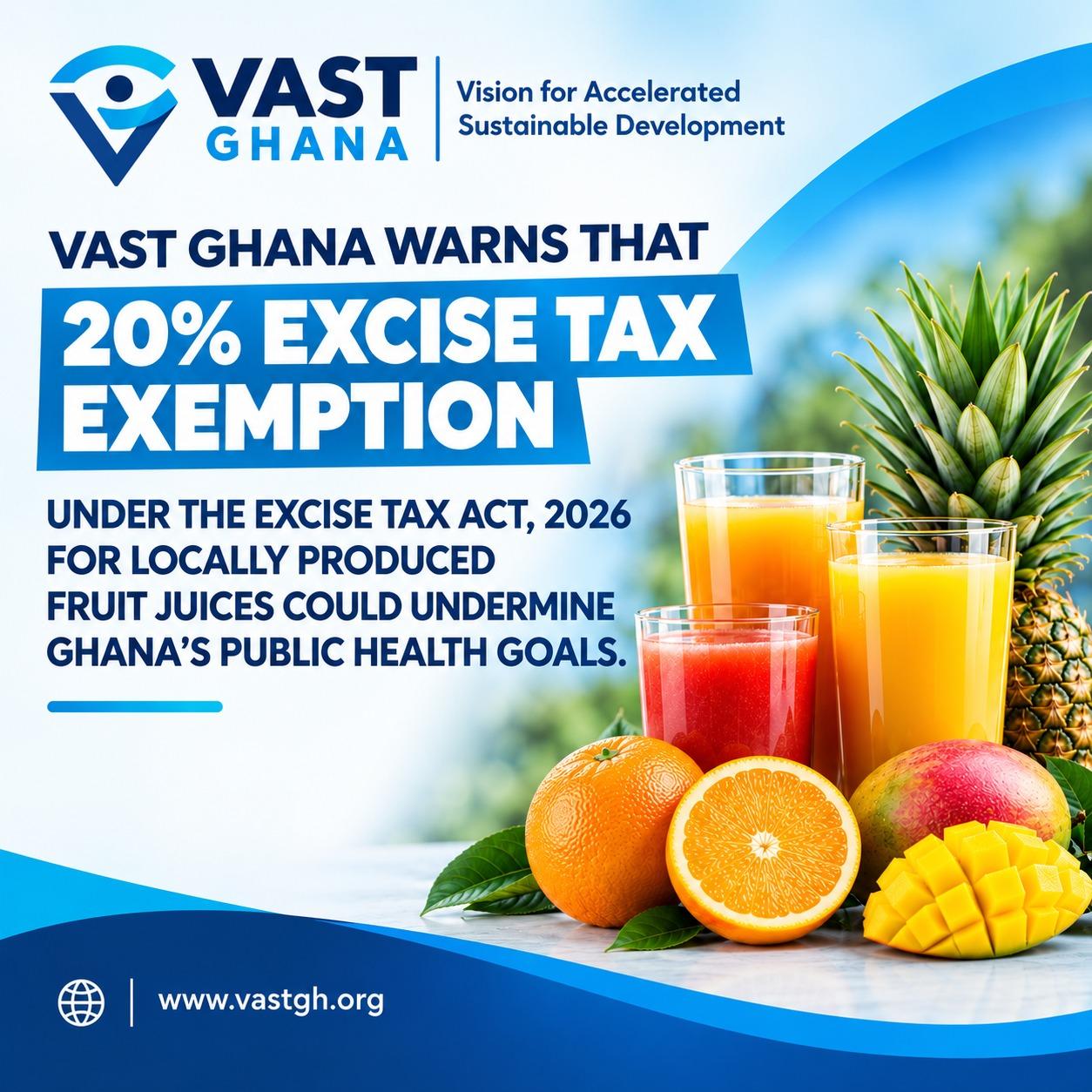
VAST GHANA URGES REVIEW OF THE 20% FRUIT JUICE TAX EXEMPTION
Vision for Accelerated Sustainable Development Ghana (VAST Ghana) has called on the Ministry of Finance to reconsider the removal of the 20 percent excise tax...
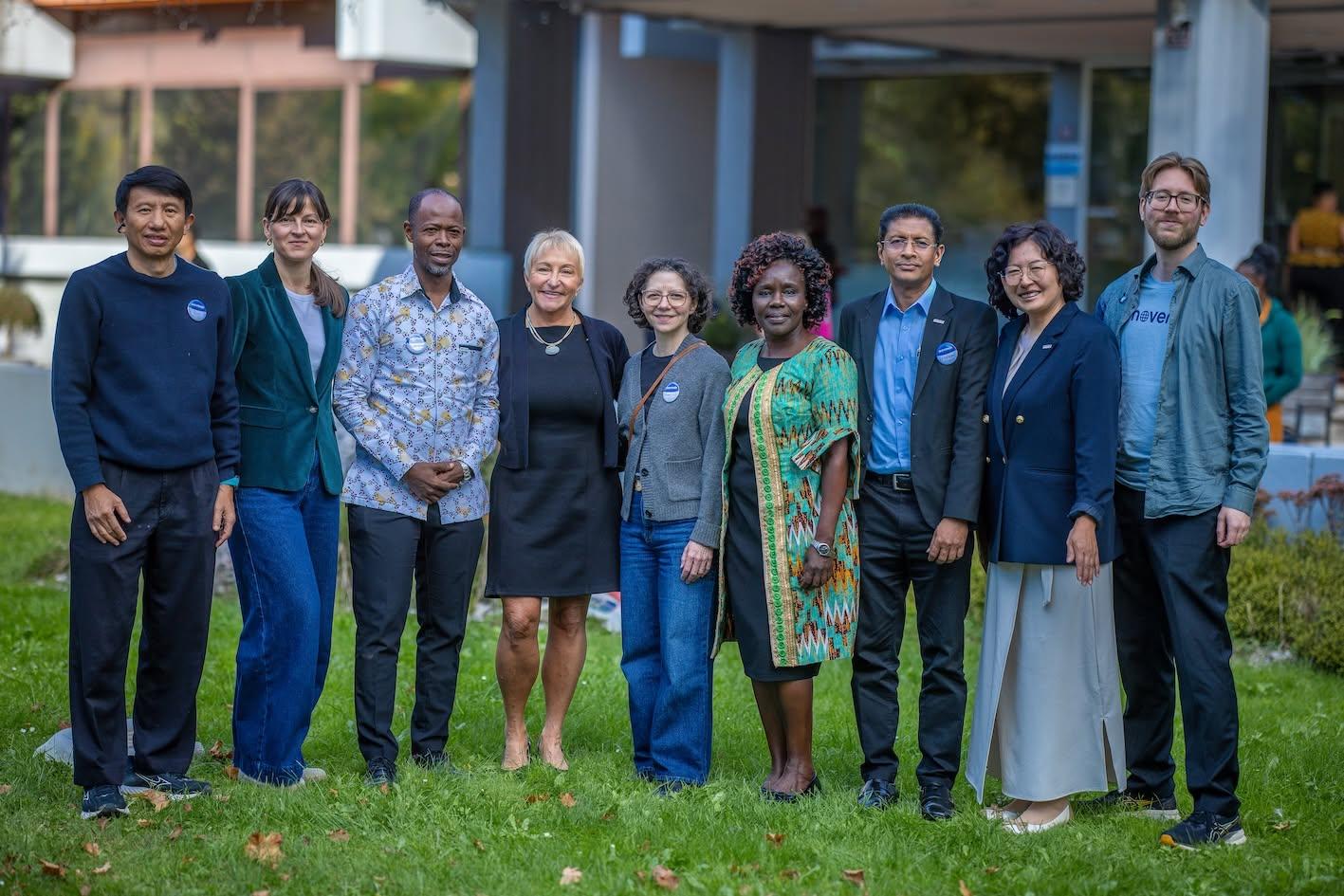
Executive Director of VAST Ghana secures his second term on Movendi international Board
Mr Labram Musah Massawudu, Executive Director of Vision for Accelerated Sustainable Development Ghana (VAST Ghana), has been re-elected to the International...
Executive Director of VAST Ghana secures his second term on Movendi International Board of
Mr.Labram Musah Massawudu, Executive Director of Vision for Accelerated Sustainable Development Ghana (VAST Ghana), has been re-elected to the International...
Comments (1)
Great job