Ghana Maps Post-IMF Course with Three-Year Reform Pact to Cement Economic Recovery
Liwalmor M-Moadan
Journalist
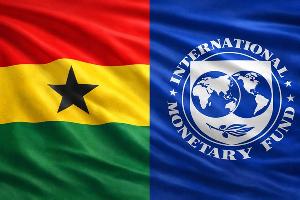
The Government of Ghana has unveiled a post-IMF economic strategy centred on a three-year Policy Coordination Instrument (PCI) with the International Monetary Fund, signalling a shift from crisis financing to policy discipline as authorities seek to lock in recent macroeconomic gains and strengthen investor confidence.
Presenting the 2026 Mid-Year Budget Review, Finance Minister Dr. Cassiel Ato Forson said the country has no plans to negotiate another IMF financing programme after the successful completion of the Extended Credit Facility (ECF). Instead, the government will pursue a 36-month PCI—a non-financing arrangement designed to anchor reforms, enhance policy credibility and provide continued IMF oversight without additional borrowing.
The move marks Ghana’s transition from emergency economic stabilisation to a framework focused on sustaining fiscal discipline, preserving debt sustainability and accelerating structural reforms.
According to the Finance Minister, the PCI will reinforce the government’s commitment to prudent fiscal management while supporting efforts to maintain low inflation, rebuild external buffers and safeguard exchange rate stability. It is also expected to provide assurance to international investors, development partners and credit rating agencies that Ghana remains committed to sound macroeconomic policies beyond the IMF bailout era.
Under the proposed arrangement, government will prioritise fiscal consolidation, strengthen public financial management, improve governance across state-owned enterprises, deepen monetary policy reforms and reinforce financial sector resilience. The strategy also places renewed emphasis on driving private sector-led growth, expanding exports and creating a more diversified economy capable of withstanding external shocks.
The IMF has described the proposed PCI as the next phase of Ghana’s economic reform journey following significant progress under the ECF programme, which helped restore macroeconomic stability, reduce inflationary pressures, rebuild international reserves and advance the country’s debt restructuring process.
Unlike traditional IMF programmes, the PCI does not provide financial resources. Instead, it serves as a policy anchor through regular assessments of economic performance and reform implementation, offering governments an internationally recognised framework that can strengthen market confidence while preserving access to other sources of development financing.
For Ghana, the transition represents an important policy milestone. With major macroeconomic indicators showing sustained improvement, authorities are seeking to demonstrate that the country’s economic recovery can be maintained through disciplined policymaking rather than continued reliance on external financial support.
The success of the PCI, however, will depend on government’s ability to sustain fiscal restraint, deliver structural reforms and navigate both domestic and global economic uncertainties while maintaining the confidence of investors and international financial institutions.
Written by
Liwalmor M-Moadan
M-Moadan is dedicated journalist committed to delivering accurate, timely, and impactful news. Passionate about uncovering the facts, telling meaningful stories, and keeping the public informed with integrity and professionalism.
Related Stories

Ghana’s Gold Revolution: Can Refining Gold at Home Finally Keep More of the Country’s Wealth in Ghana?
For generations, Ghana has drawn enormous wealth from beneath its soil, yet much of the value created from that wealth has flowed beyond its borders. Now,...
GoldBod Targets $1.4bn as BoG Reduces September Dollar Sales
The Bank of Ghana (BoG) has sharply reduced the amount of foreign exchange it plans to supply to the market in September 2026. Market data indicate that the...
Four CIIG Awards Strengthen Enterprise Insurance’s Leadership Position
Enterprise Insurance emerged as the most successful company at the sixth Chartered Insurance Institute of Ghana (CIIG) Awards, securing four major honours at...
Comments (0)
No comments yet. Be the first to share your thoughts.