Ghana to Tighten Vehicle Assembly Tax Breaks After Five Years of Alleged Abuse
Liwalmor M-Moadan
Journalist
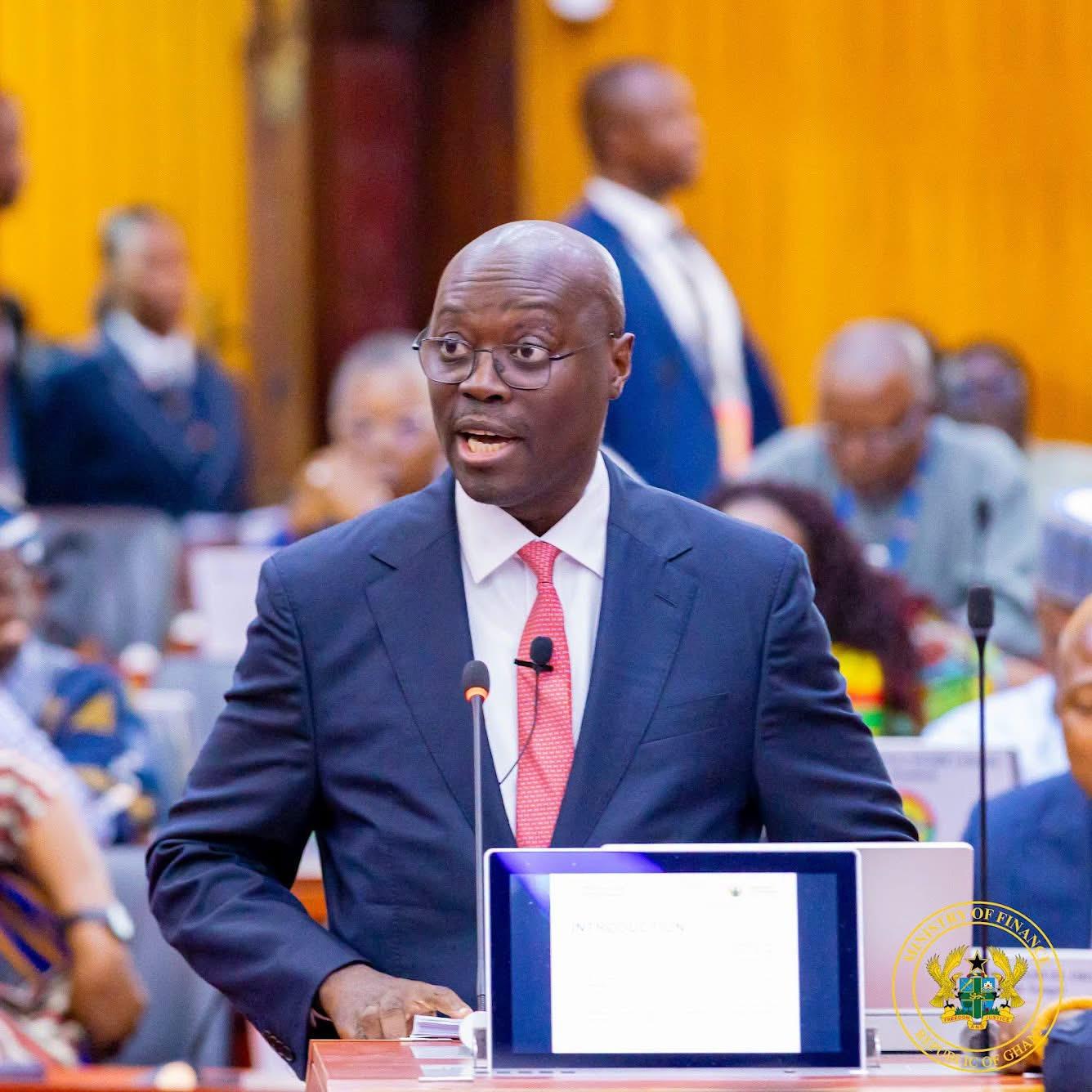
Ghana is set to tighten the tax incentive regime for vehicle assembly companies after the government concluded that aspects of the programme have been exploited over the past five years, prompting a policy shift aimed at safeguarding public revenue while preserving the country’s industrialisation agenda.
Finance Minister Dr. Cassiel Ato Forson announced the planned reforms during the presentation of the 2026 Mid-Year Budget Review, saying the incentive framework would be revised to ensure that only firms making genuine investments in local vehicle assembly continue to benefit from fiscal concessions.
The incentive programme was introduced to position Ghana as a regional automotive manufacturing hub, attracting global vehicle brands through tax exemptions and other investment incentives. The policy was also intended to stimulate domestic industrial production, create skilled employment and deepen local value addition across the automotive supply chain.
However, government says the framework has been undermined by sustained abuse, with some beneficiaries allegedly taking advantage of the concessions without fully meeting the programme’s investment and production objectives.
Under the proposed reforms, eligibility for tax incentives will be subjected to stricter compliance requirements and enhanced monitoring, linking fiscal support more closely to measurable economic outcomes such as production volumes, capital investment, employment creation and local content development.
The move reflects a broader shift in Ghana’s fiscal strategy, as the government seeks to rationalise tax expenditures and improve the efficiency of incentive schemes amid ongoing efforts to strengthen domestic revenue mobilisation and maintain macroeconomic stability.
While reaffirming its commitment to developing Ghana’s automotive industry, the government signalled that future incentives would increasingly be performance-driven rather than open-ended, ensuring that public resources deliver tangible returns to the economy.
Industry observers are expected to monitor the revised framework closely, as the changes could reshape investment decisions within Ghana’s growing automotive sector while reinforcing government efforts to balance industrial policy with fiscal discipline.
Written by
Liwalmor M-Moadan
M-Moadan is dedicated journalist committed to delivering accurate, timely, and impactful news. Passionate about uncovering the facts, telling meaningful stories, and keeping the public informed with integrity and professionalism.
Related Stories

Ghana’s Gold Revolution: Can Refining Gold at Home Finally Keep More of the Country’s Wealth in Ghana?
For generations, Ghana has drawn enormous wealth from beneath its soil, yet much of the value created from that wealth has flowed beyond its borders. Now,...
GoldBod Targets $1.4bn as BoG Reduces September Dollar Sales
The Bank of Ghana (BoG) has sharply reduced the amount of foreign exchange it plans to supply to the market in September 2026. Market data indicate that the...
Four CIIG Awards Strengthen Enterprise Insurance’s Leadership Position
Enterprise Insurance emerged as the most successful company at the sixth Chartered Insurance Institute of Ghana (CIIG) Awards, securing four major honours at...
Comments (0)
No comments yet. Be the first to share your thoughts.