Ghana Unveils AI-Driven Curriculum Overhaul for Basic Schools
Liwalmor M-Moadan
Journalist
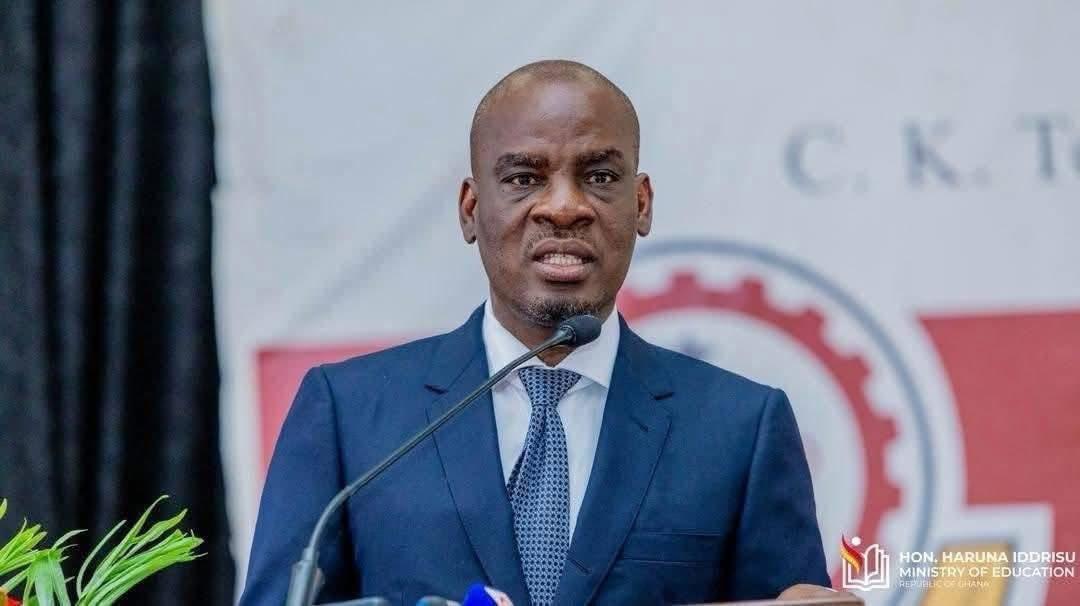
Ghana is preparing to introduce one of its most ambitious education reforms in years, with coding, artificial intelligence (AI), electronics and Technical and Vocational Education and Training (TVET) set to become core components of the basic school curriculum as the government seeks to align learning with the demands of a technology-led global economy.
Education Minister Haruna Iddrisu announced that the revised curriculum, covering pupils from kindergarten through junior high school, is nearing completion and will be formally presented to the Ministry of Education before progressing to Cabinet, Parliament and the President for approval.
The reform is aimed at transforming Ghana’s education system from one focused largely on theoretical instruction to one that equips learners with practical digital, technical and problem-solving skills from an early age.
“We are revising our curriculum to create a smarter learning framework with greater integration of science, technology, engineering and mathematics,” the minister said, adding that coding, artificial intelligence, electronics and TVET will become integral elements of classroom instruction.
The curriculum overhaul forms part of the government’s broader strategy to strengthen STEM education and prepare a future workforce capable of competing in an increasingly digital and innovation-driven global economy. Policymakers expect the reforms to nurture critical thinking, creativity and technical competence among young learners while supporting Ghana’s long-term industrialisation and digital transformation agenda.
Alongside the curriculum reforms, the government is also pursuing measures to improve educational access and retention. Mr Iddrisu disclosed that 12.2 million sanitary pads have been distributed nationwide, benefiting about 2.5 million female students in basic and secondary schools, as part of efforts to reduce menstrual-related absenteeism and promote girls’ education.
The twin initiatives underscore the government’s attempt to combine technology-focused learning reforms with social interventions designed to improve educational outcomes and human capital development across the country.
Written by
Liwalmor M-Moadan
M-Moadan is dedicated journalist committed to delivering accurate, timely, and impactful news. Passionate about uncovering the facts, telling meaningful stories, and keeping the public informed with integrity and professionalism.
Related Stories

8,295 WASSCE Candidates Hit by Result Cancellations: What Is Went Wrong?
The release of Ghana’s 2026 West African Senior School Certificate Examination (WASSCE) results has brought relief to thousands of students. Yet behind the...

50 Things Every Young Ghanaian Should Know About Money
Money is one of the most important life skills every young Ghanaian needs—but unfortunately, financial education is rarely taught in school. You can spend...

GRA Drops Major Clarification on Travelers Carrying Multiple Phones Into Ghana — The “2 Phones” Rule Was Never Automatic
GRA Drops Major Clarification on Travellers Carrying Multiple Phones Into Ghana The “2 Phones” Rule Was Never Automatic Accra, Ghana — September 4, 2026: If...
Comments (0)
No comments yet. Be the first to share your thoughts.