Ghana Concludes South Africa Evacuation as Final Repatriation Flights Begin
Liwalmor M-Moadan
Journalist
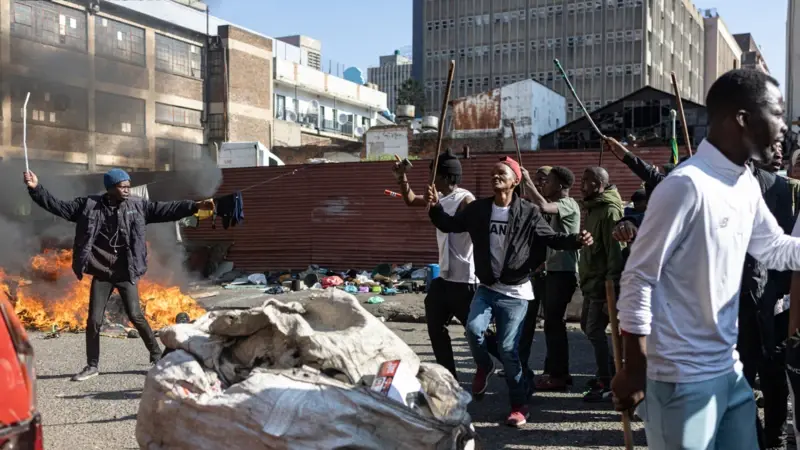
Ghana has commenced the final phase of its emergency repatriation programme for citizens seeking to leave South Africa following weeks of xenophobic violence, bringing to a close one of the country’s largest recent evacuation efforts amid renewed calls for stronger regional protection of African migrants.
A fresh batch of Ghanaians is expected to arrive home on Saturday, July 25, as authorities implement the last stage of an operation designed to return nationals who voluntarily registered to leave South Africa over mounting concerns about their safety and livelihoods.
The exercise forms part of a broader government intervention coordinated by the Office of the President and the Ministry of Foreign Affairs after anti-foreigner attacks triggered widespread anxiety among Ghanaian communities living in South Africa.
Ghana’s High Commissioner to South Africa, Benjamin Quashie, said the remaining registered evacuees would be flown home in phases beginning July 25, completing an operation that has already returned hundreds of Ghanaians to the country.
“We are going to do the final repatriation of close to 900 Ghanaians who have voluntarily given their names here in South Africa that they want to go,” Mr Quashie said, adding that future requests for assisted returns would be handled through Ghana’s regular consular services once the emergency programme concludes.
The evacuation has evolved beyond a humanitarian operation into a diplomatic issue, with President John Dramani Mahama raising Ghana’s concerns directly with South African authorities.
During a meeting with African Union Commission Chairperson Mahmoud Ali Youssouf, President Mahama disclosed that South African President Cyril Ramaphosa had dispatched a delegation to Ghana to discuss the recurring attacks on foreign nationals.
The Ghanaian leader emphasised that Accra’s position was aimed at ensuring the safety and dignity of African migrants rather than undermining relations between the two countries, underscoring the need for greater transparency and decisive action to address xenophobic violence.
The conclusion of the repatriation exercise is expected to reunite hundreds of families while highlighting the growing challenge xenophobic attacks pose to labour mobility, regional integration and the African Union’s vision of a more connected continent.
Written by
Liwalmor M-Moadan
M-Moadan is dedicated journalist committed to delivering accurate, timely, and impactful news. Passionate about uncovering the facts, telling meaningful stories, and keeping the public informed with integrity and professionalism.
Related Stories
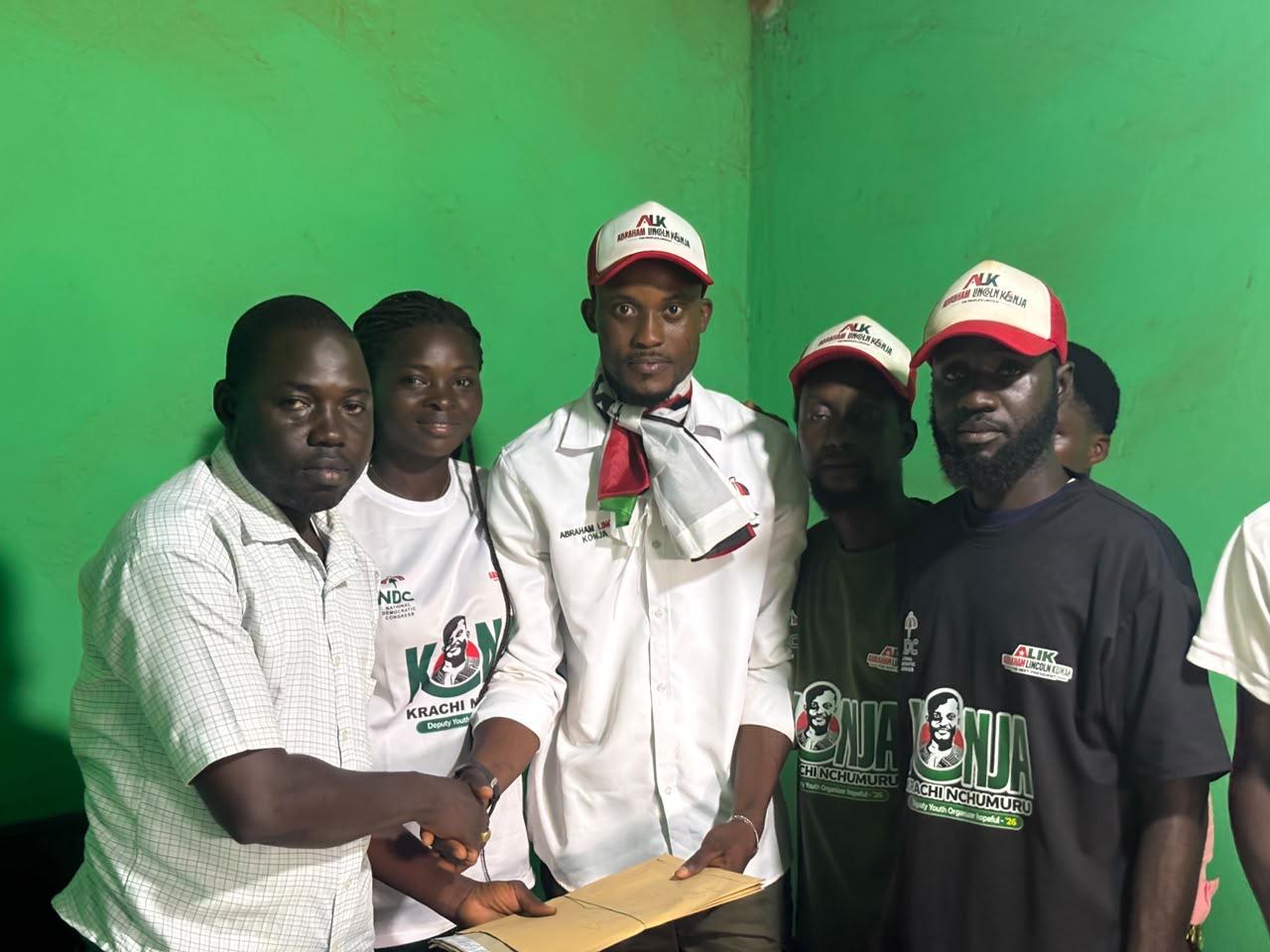
ABRAHAM LINCOLN KONJA FILES FOR NDC DEPUTY YOUTH ORGANISER IN KRACHI NCHUMURU
Abraham Lincoln Konja has officially filed his nomination to contest the position of Deputy Constituency Youth Organiser of the National Democratic Congress...

Fuseini Inusah Akonsi Declares Bid for NDC Northern Regional Deputy Youth Organizer
Fuseini Inusah Akonsi has officially declared his intention to contest for the position of Northern Regional Deputy Youth Organizer of the National Democratic...
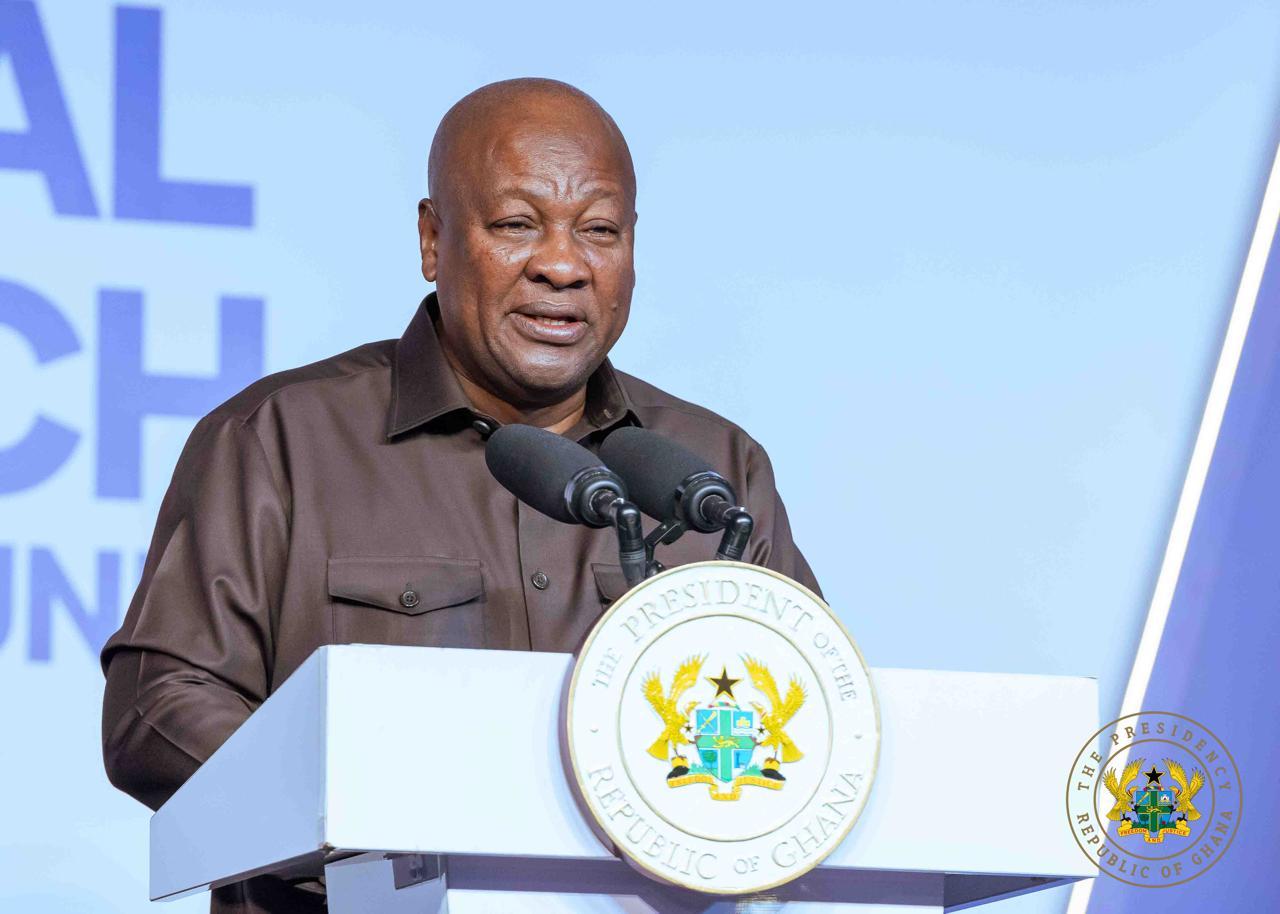
Mahama Orders Immediate Dissolution of Boards of Nine State Institutions
President John Dramani Mahama has directed the immediate dissolution of the governing boards of nine state-owned institutions, affecting organisations...
Comments (0)
No comments yet. Be the first to share your thoughts.