Ghana’s Cocoa Crop Faces Sharp Decline as Climate, Disease and Illegal Mining Hit Output
Liwalmor M-Moadan
Journalist
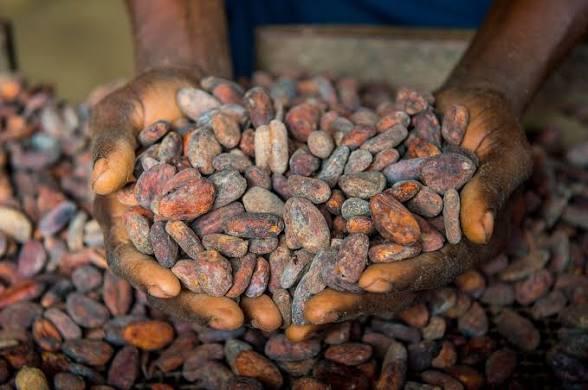
Ghana’s cocoa harvest is expected to contract by at least 16% in the 2026/27 crop season, underscoring mounting pressures on one of the country’s most valuable export sectors as adverse weather, crop disease and illegal mining continue to erode production capacity.
The projected decline, disclosed by the Ghana Cocoa Board (COCOBOD), adds to growing concerns over the outlook for global cocoa supplies after neighbouring Côte d’Ivoire—the world’s largest producer—also signalled a weaker harvest for the coming season.
COCOBOD said the anticipated drop reflects the combined effects of excessive rainfall during May and June, the increasing likelihood of El Niño weather conditions, and the cocoa tree’s natural alternate-bearing cycle, which periodically produces lower yields following strong harvest years.
The outlook is particularly bleak in the Western and Western North regions, Ghana’s largest cocoa-producing belt, where a low cherelle load—the number of young pods expected to mature—has pointed to significantly weaker output. The regulator said production in these areas has been further undermined by the spread of cocoa swollen shoot disease, ageing plantations and the continued expansion of illegal small-scale mining, or galamsey, which has displaced cocoa farms and reduced cultivated acreage.
The forecast follows warnings from farmers who have reported unusually low pod formation ahead of the new crop season beginning in September, reinforcing expectations that Ghana will struggle to recover production after several years of weather-related disruptions and structural challenges.
To cushion the impact, COCOBOD said it has stepped up rehabilitation of diseased farms, expanded nationwide insecticide and fungicide spraying programmes, and reinstated its free fertiliser distribution scheme for the 2026/27 season to improve productivity and restore yields.
The weaker outlook carries significant implications for Ghana’s economy, where cocoa remains one of the country’s leading sources of export earnings and foreign exchange. Lower production could constrain export volumes even as elevated international cocoa prices offer some support to export revenues.
With Côte d’Ivoire also expected to record a double-digit production decline, the twin setbacks from the world’s two largest cocoa producers are likely to keep global cocoa markets tight, sustaining price volatility and intensifying concerns among chocolate manufacturers over the availability and cost of supplies in the year ahead.
Written by
Liwalmor M-Moadan
M-Moadan is dedicated journalist committed to delivering accurate, timely, and impactful news. Passionate about uncovering the facts, telling meaningful stories, and keeping the public informed with integrity and professionalism.
Related Stories

Ghana’s Gold Revolution: Can Refining Gold at Home Finally Keep More of the Country’s Wealth in Ghana?
For generations, Ghana has drawn enormous wealth from beneath its soil, yet much of the value created from that wealth has flowed beyond its borders. Now,...
GoldBod Targets $1.4bn as BoG Reduces September Dollar Sales
The Bank of Ghana (BoG) has sharply reduced the amount of foreign exchange it plans to supply to the market in September 2026. Market data indicate that the...

Four CIIG Awards Strengthen Enterprise Insurance’s Leadership Position
Enterprise Insurance emerged as the most successful company at the sixth Chartered Insurance Institute of Ghana (CIIG) Awards, securing four major honours at...
Comments (0)
No comments yet. Be the first to share your thoughts.