Goosie Tanoh urges Africa to seize critical minerals moment with industrial strategy
Liwalmor M-Moadan
Journalist
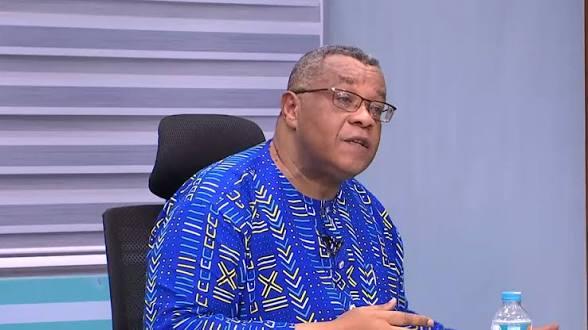
Africa stands at a pivotal moment in the global race for critical minerals, but the continent risks repeating decades of extractive dependency unless it converts its resource wealth into industrial capacity, Senior Presidential Advisor on the 24-Hour Economy, Augustus “Goosie” Tanoh, has warned.
Addressing a high-level conference on governance, critical minerals and conflict in Africa, Mr Tanoh said soaring global demand for minerals essential to electric vehicles, renewable energy systems and advanced technologies presents an opportunity not merely to increase exports, but to transform Africa’s economic model.
He argued that Africa’s development should no longer be measured by the volume of raw minerals shipped abroad, but by the industries, technologies and skilled employment created through domestic value addition. Exporting unprocessed lithium, cobalt, graphite and other strategic minerals, he said, would replicate the historic pattern in which the continent supplied raw materials while higher-value manufacturing and innovation occurred elsewhere.
Mr Tanoh positioned Ghana’s proposed 24-Hour Economy programme as a framework for capturing greater value from the mining sector by linking mineral extraction with manufacturing, logistics, energy, technology and skills development. Such an integrated approach, he argued, would allow African economies to move beyond commodity dependence and establish competitive industrial ecosystems capable of serving regional and global markets.
He also stressed that governance would determine whether the continent’s critical minerals become a catalyst for prosperity or another missed opportunity. Transparent institutions, environmental safeguards, accountable resource management and meaningful participation by host communities, he said, are essential if mineral wealth is to deliver broad-based economic development rather than deepen inequality or social tensions.
The remarks come as governments across Africa seek to strengthen local beneficiation policies and negotiate greater technology transfer and industrial investment from international mining partners, amid intensifying global competition for the minerals underpinning the energy transition. Analysts argue that the continent’s long-term gains will depend less on the volume of minerals extracted than on its ability to build refining, processing and manufacturing industries around those resources.
Written by
Liwalmor M-Moadan
M-Moadan is dedicated journalist committed to delivering accurate, timely, and impactful news. Passionate about uncovering the facts, telling meaningful stories, and keeping the public informed with integrity and professionalism.
Related Stories
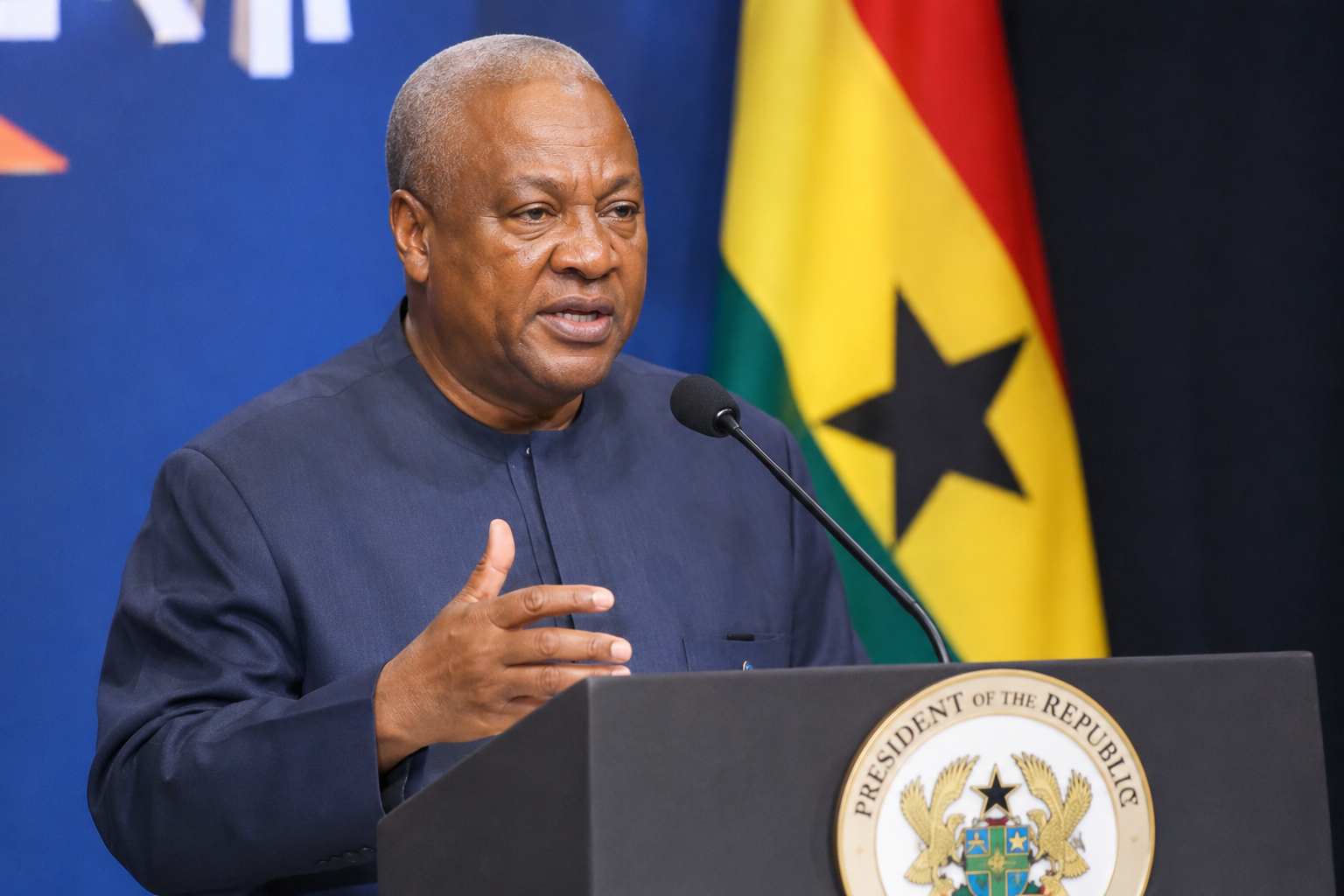
President Mahama Sets 2030 Deadline for Ghana’s Raw Mineral Exports
Ghana has set its sights on a major change in the way it earns from its mineral resources, with President John Dramani Mahama announcing a 2030 target to end...
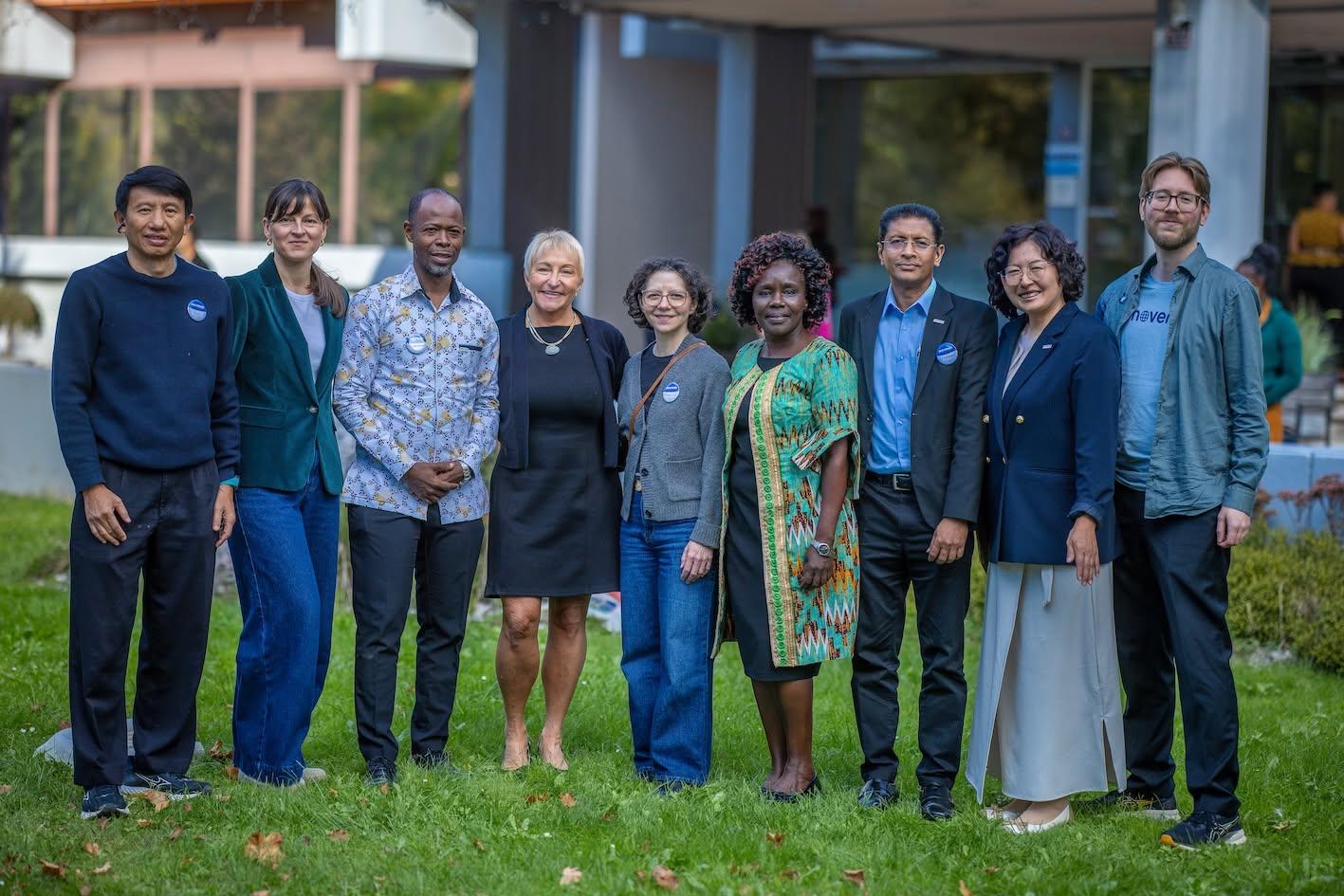
Executive Director of VAST Ghana secures his second term on Movendi international Board
Mr Labram Musah Massawudu, Executive Director of Vision for Accelerated Sustainable Development Ghana (VAST Ghana), has been re-elected to the International...
Executive Director of VAST Ghana secures his second term on Movendi International Board of
Mr.Labram Musah Massawudu, Executive Director of Vision for Accelerated Sustainable Development Ghana (VAST Ghana), has been re-elected to the International...
Comments (0)
No comments yet. Be the first to share your thoughts.