Government Says No Rush to Global Markets as Economy Regains Strength
Liwalmor M-Moadan
Journalist
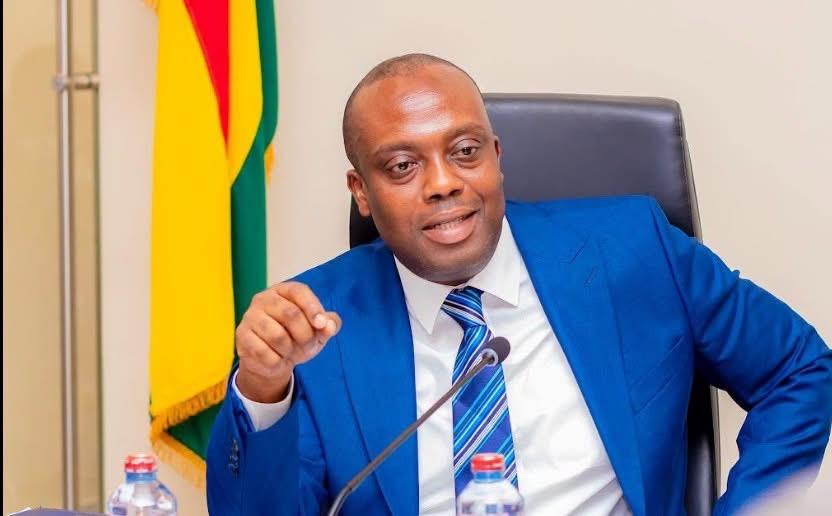
Ghana will not rush back to the international capital markets despite renewed interest from global investors, opting instead to strengthen its fiscal position until it can secure financing on more favourable terms, Deputy Finance Minister Thomas Nyarko Ampem has said.
The decision reflects a broader shift in the government’s debt strategy, with policymakers seeking to consolidate macroeconomic stability after years of fiscal turbulence and debt restructuring before issuing new external commercial debt.
Speaking on TV3’s The Key Points on Saturday, Nyarko Ampem said Ghana’s improving economic fundamentals have prompted renewed invitations from international lenders, but the government sees little value in returning to the market before borrowing costs fall.
“We are being invited to the international market, but we are not in a hurry. We want to get to a point where we can attract cheap capital,” he said.
His remarks suggest the administration is prioritising debt sustainability over immediate access to international financing, signalling a departure from the heavy reliance on external borrowing that characterised previous years.
Nyarko Ampem said the government’s economic strategy is anchored on disciplined public spending and stronger domestic revenue mobilisation rather than accumulating new debt. According to him, expenditure is being aligned with available resources while efforts to improve tax collection and eliminate waste are helping to strengthen the country’s fiscal position without imposing additional taxes.
“The days of excessive borrowing are over,” he said, adding that prudent expenditure management has become a central pillar of Ghana’s economic recovery.
The Deputy Finance Minister also defended Finance Minister Dr Cassiel Ato Forson’s repeated comparisons between the current economy and the conditions inherited from the previous administration, arguing that such context is necessary to appreciate the pace of the recovery.
The comments reinforce the message delivered in the 2026 Mid-Year Budget Review, where the Finance Minister pointed to declining inflation, a more stable cedi and improving business confidence as evidence that Ghana’s economy has regained momentum under tighter fiscal management.
Forson has maintained that the country’s recent gains are the product of disciplined economic policy and warned against returning to the cycle of excessive borrowing and fiscal indiscipline that culminated in the 2022 economic crisis.
For investors, the government’s position signals that restoring credibility in sovereign debt markets has become as important as regaining access to them. By delaying a return until financing costs become more competitive, Accra is seeking to reinforce confidence in its long-term debt management strategy while preserving the macroeconomic stability achieved under its ongoing reform programme.
Written by
Liwalmor M-Moadan
M-Moadan is dedicated journalist committed to delivering accurate, timely, and impactful news. Passionate about uncovering the facts, telling meaningful stories, and keeping the public informed with integrity and professionalism.
Related Stories
Ghana’s Gold Revolution: Can Refining Gold at Home Finally Keep More of the Country’s Wealth in Ghana?
For generations, Ghana has drawn enormous wealth from beneath its soil, yet much of the value created from that wealth has flowed beyond its borders. Now,...
GoldBod Targets $1.4bn as BoG Reduces September Dollar Sales
The Bank of Ghana (BoG) has sharply reduced the amount of foreign exchange it plans to supply to the market in September 2026. Market data indicate that the...
Four CIIG Awards Strengthen Enterprise Insurance’s Leadership Position
Enterprise Insurance emerged as the most successful company at the sixth Chartered Insurance Institute of Ghana (CIIG) Awards, securing four major honours at...
Comments (0)
No comments yet. Be the first to share your thoughts.