“Lock the Wallet, Grow the Economy, Joe Jackson Urges Ato Forson”
Liwalmor M-Moadan
Journalist
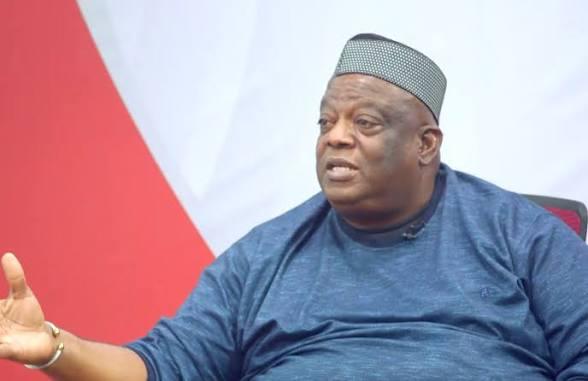
Ghana’s hard-won macroeconomic stability will only endure if the government remains committed to fiscal discipline and resists calls for increased public spending, according to Joe Jackson, Chief Executive Officer of Dalex Finance.
Commenting on the country’s economic outlook following the presentation of the 2026 Mid-Year Budget Review, Jackson urged Finance Minister Dr Cassiel Ato Forson to stay focused on prudent fiscal management despite mounting pressure from both the governing National Democratic Congress (NDC) and the opposition New Patriotic Party (NPP).
“Keep the stability and discipline, resist the pressure. It is the discipline that will deliver the growth. Don’t spend what you don’t have,” Jackson said during TV3’s Key Points programme on Saturday.
His remarks come as the government seeks to consolidate gains made in stabilising the economy after years of fiscal and external sector challenges.
The Finance Ministry has consistently argued that restoring macroeconomic stability requires disciplined expenditure, stronger domestic revenue mobilisation and reduced reliance on borrowing.
Deputy Finance Minister Thomas Nyarko Ampem reiterated that position, saying the Mahama administration has adopted a deliberate strategy of cutting wasteful spending while expanding revenue collection without imposing additional taxes.
“We have deliberately decided to cut waste; we cannot spend what we don’t have. Let us aggressively pursue revenue without introducing new taxes. We are avoiding excessive borrowing,” he said.
Nyarko Ampem also defended the Finance Minister’s comparison of current economic conditions with those inherited from the previous administration, arguing that understanding the country’s fiscal starting point is essential to appreciating the progress achieved.
Presenting the 2026 Mid-Year Budget in Parliament, Dr Ato Forson said Ghana’s economy has entered a period of recovery, pointing to easing inflation, exchange rate stability and renewed business confidence as evidence that policy reforms are yielding results.
He attributed the turnaround to disciplined economic management and warned against returning to the excessive borrowing and expansionary fiscal policies that contributed to the 2022 economic crisis.
For investors and financial markets, Jackson’s intervention reinforces expectations that maintaining fiscal discipline will remain the cornerstone of Ghana’s economic recovery strategy, particularly as the government balances growing social demands with the need to preserve macroeconomic stability and investor confidence.
Written by
Liwalmor M-Moadan
M-Moadan is dedicated journalist committed to delivering accurate, timely, and impactful news. Passionate about uncovering the facts, telling meaningful stories, and keeping the public informed with integrity and professionalism.
Related Stories

Ghana’s Gold Revolution: Can Refining Gold at Home Finally Keep More of the Country’s Wealth in Ghana?
For generations, Ghana has drawn enormous wealth from beneath its soil, yet much of the value created from that wealth has flowed beyond its borders. Now,...
GoldBod Targets $1.4bn as BoG Reduces September Dollar Sales
The Bank of Ghana (BoG) has sharply reduced the amount of foreign exchange it plans to supply to the market in September 2026. Market data indicate that the...
Four CIIG Awards Strengthen Enterprise Insurance’s Leadership Position
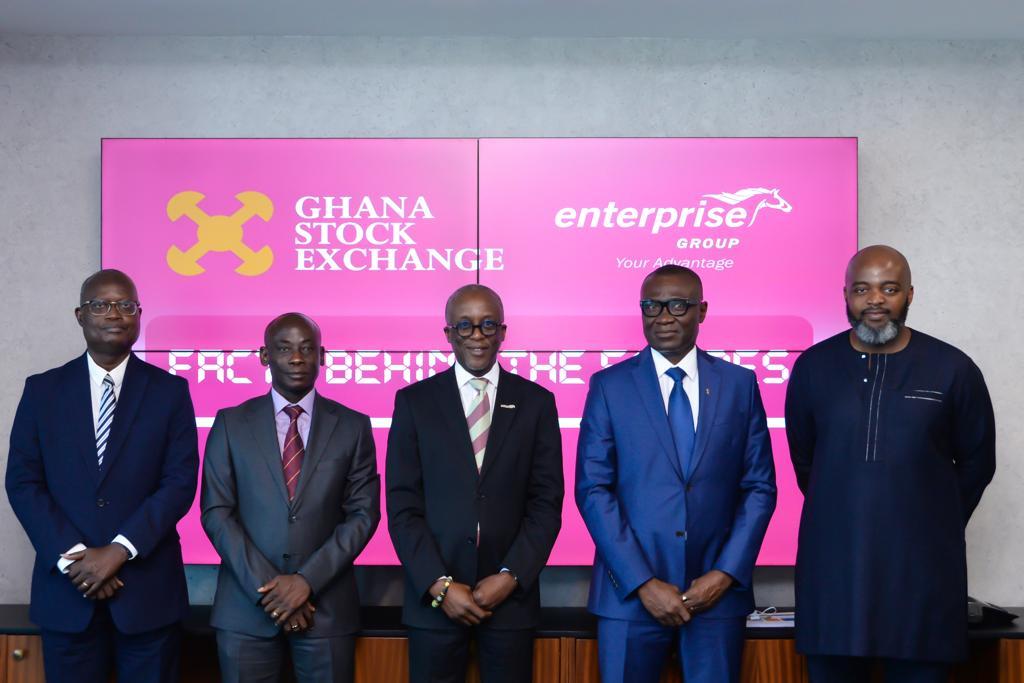
Enterprise Insurance emerged as the most successful company at the sixth Chartered Insurance Institute of Ghana (CIIG) Awards, securing four major honours at...
Comments (0)
No comments yet. Be the first to share your thoughts.