Nearly 2 Million Ghanaian Youth Locked Out of Work, School and Training, GSS Warns
Liwalmor M-Moadan
Journalist
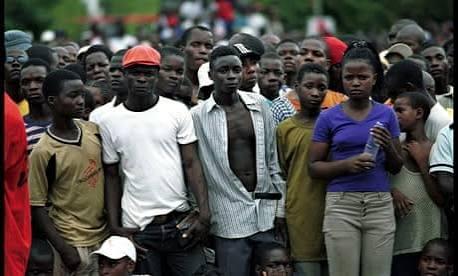
Ghana is at risk of squandering its demographic dividend after almost two million young people were found to be outside education, employment and skills training, raising fresh concerns over the country’s long-term growth prospects and labour market resilience.
Data released by the Ghana Statistical Service (GSS) show that 1.95 million people aged between 15 and 35—equivalent to 19.5% of the country’s youth population—were classified as Not in Education, Employment or Training (NEET) during the third quarter of 2025. The figures underscore a widening disconnect between Ghana’s expanding youth population and the economy’s capacity to generate productive opportunities.
The findings, published to mark World Population Day, reinforce concerns that Ghana’s youthful demographic profile could become an economic burden rather than a competitive advantage if investment in human capital fails to keep pace.
The challenge extends beyond unemployment. GSS data indicate that youth unemployment averaged 21.9% during the first three quarters of 2025, significantly above the national unemployment rate of 12.8%, suggesting structural weaknesses in the transition from education to the labour market.
The report also draws attention to persistent social barriers affecting labour-force participation. According to the 2022 Ghana Demographic and Health Survey, 15% of girls aged 15–19 had experienced pregnancy, while 11% had already given birth. Early pregnancy continues to interrupt education and reduce long-term earnings potential, particularly among young women.
From a macroeconomic perspective, the figures carry significant implications. Young people now account for 36.9% of Ghana’s estimated population of 33.7 million, up from 34.6% in 2000. Economists have long argued that countries with expanding working-age populations can achieve faster economic growth—but only when those populations are adequately educated, skilled and employed.
The GSS therefore urged policymakers to intensify investment in technical and vocational education, strengthen school-to-work transition programmes, expand entrepreneurship support and accelerate job creation in sectors capable of absorbing large numbers of young workers.
The data reinforce a central policy challenge confronting Ghana’s economic transformation agenda: without sustained investment in skills development and productive employment, the country’s largest demographic asset risks becoming its greatest economic vulnerability.
Written by
Liwalmor M-Moadan
M-Moadan is dedicated journalist committed to delivering accurate, timely, and impactful news. Passionate about uncovering the facts, telling meaningful stories, and keeping the public informed with integrity and professionalism.
Related Stories
President Mahama Sets 2030 Deadline for Ghana’s Raw Mineral Exports
Ghana has set its sights on a major change in the way it earns from its mineral resources, with President John Dramani Mahama announcing a 2030 target to end...
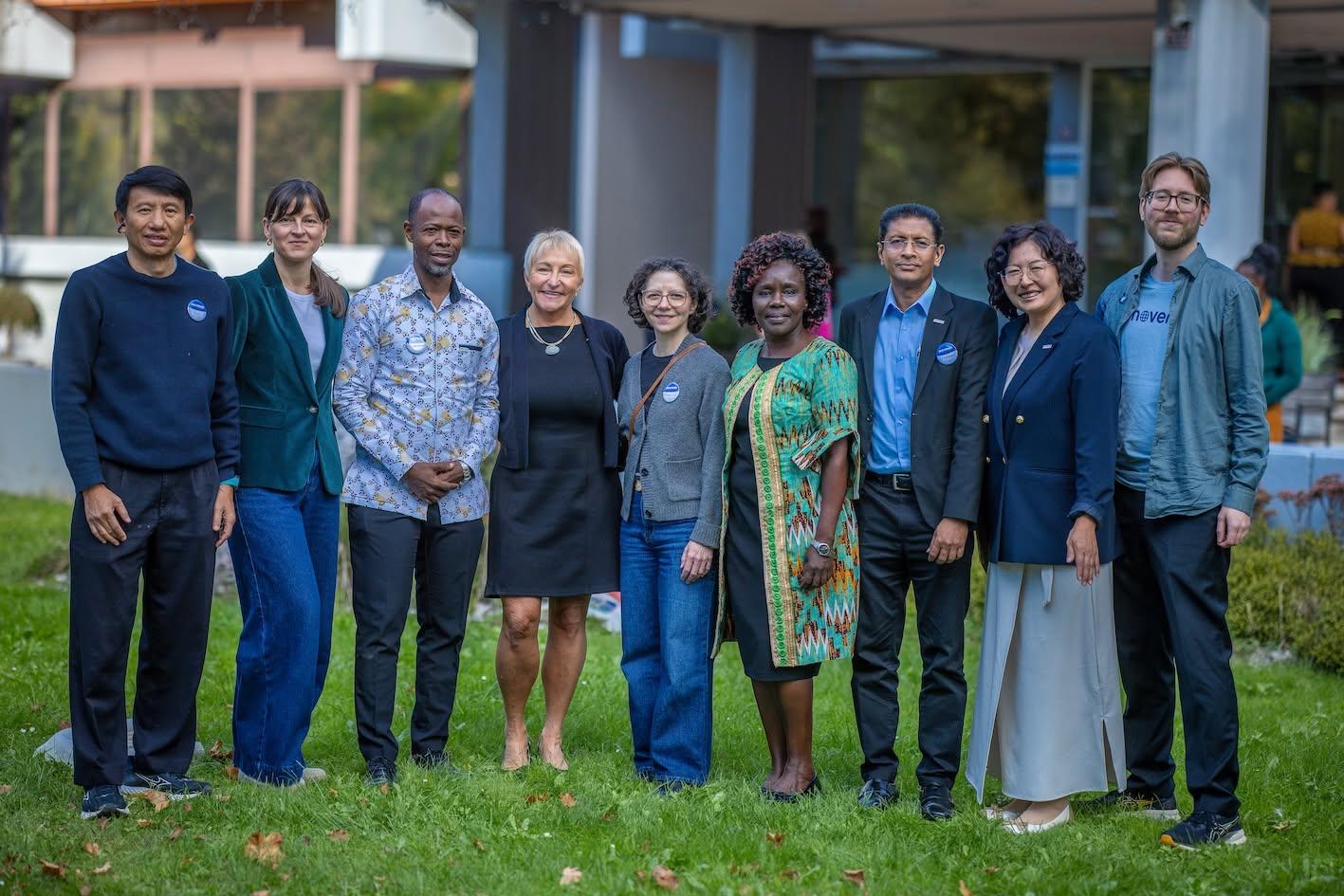
Executive Director of VAST Ghana secures his second term on Movendi international Board
Mr Labram Musah Massawudu, Executive Director of Vision for Accelerated Sustainable Development Ghana (VAST Ghana), has been re-elected to the International...
Executive Director of VAST Ghana secures his second term on Movendi International Board of
Mr.Labram Musah Massawudu, Executive Director of Vision for Accelerated Sustainable Development Ghana (VAST Ghana), has been re-elected to the International...
Comments (0)
No comments yet. Be the first to share your thoughts.