Parliament Passes Energy Sector Levies Amendment Bill to Tighten Fuel Tax Administration
Liwalmor M-Moadan
Journalist
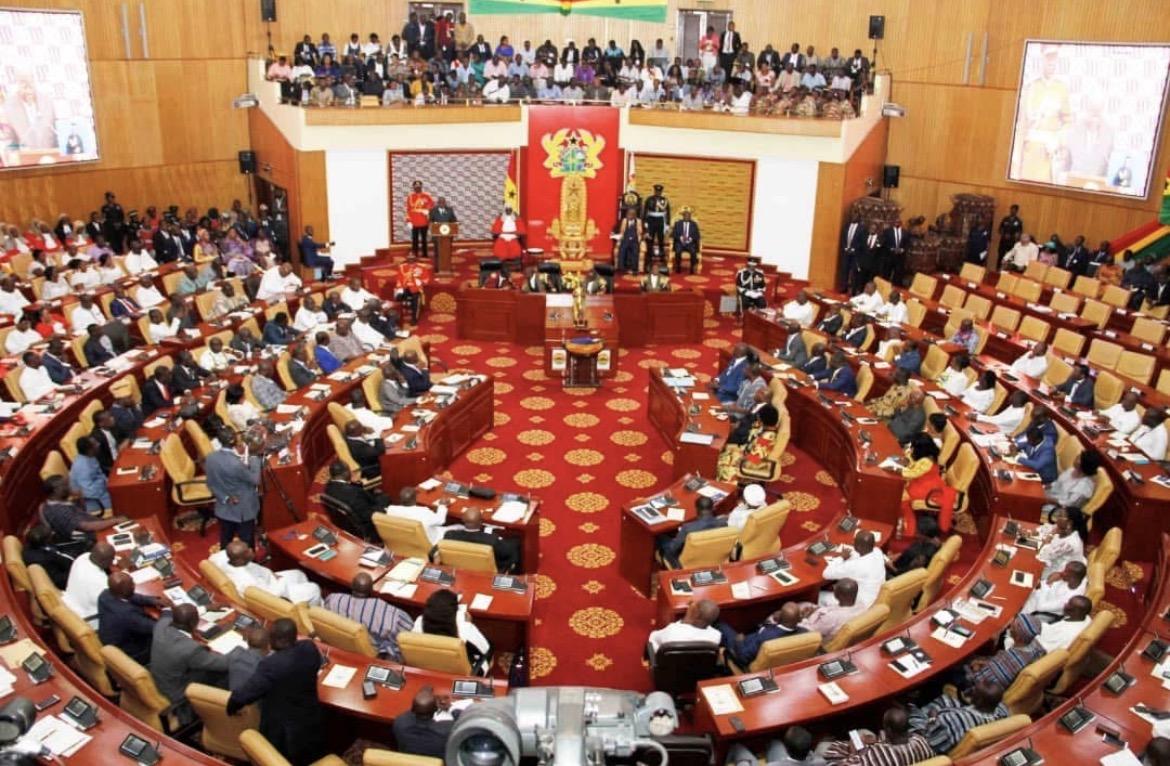
Ghana’s Parliament has approved the Energy Sector Levies (Amendment) Bill, 2026, marking a significant shift in the country’s fuel tax administration as the government moves to seal loopholes that have reportedly cost the state millions of dollars in lost revenue.
The legislation amends the Energy Sector Levies Act by increasing the Energy Sector Shortfall and Debt Repayment Levy on fuel oil from GH¢0.24 per litre to GH¢1.93 per litre, aligning it with the levy already imposed on diesel and marine gas oil. It also extends the Road Fund Levy to fuel oil.
While the adjustment appears on the surface to be a levy increase, the Finance Ministry insists the reform is fundamentally an anti-abuse measure rather than a broad-based tax hike. The government argues that the existing subsidy framework has been exploited by importers and traders who allegedly reclassified diesel as fuel oil to illegally benefit from tax exemptions intended for industrial consumers.
Finance Minister Dr Cassiel Ato Forson told Parliament that the revised framework replaces the current upfront (ex-ante) tax exemption system with an ex-post refund mechanism. Under the new arrangement, industrial users will pay all applicable levies when importing fuel oil before claiming refunds afterward.
According to the Minister, this approach will eliminate opportunities for tax fraud while ensuring that legitimate manufacturers and industrial operators continue to enjoy the intended subsidy support. To minimise the financial burden on businesses, government also plans to amend the Revenue Administration Act to reduce the refund processing period from 90 days to just 14 days.
The policy shift comes after authorities estimated that Ghana lost approximately US$25 million during the first half of 2026 through abuses within the fuel subsidy regime. Left unchecked, the Finance Ministry believes the country could forfeit nearly GH¢1 billion annually, placing additional pressure on public finances and the energy sector.
From a fiscal perspective, the amendment reflects a broader government strategy of improving tax administration rather than introducing new taxes. By strengthening compliance, narrowing opportunities for arbitrage and ensuring subsidies reach their intended beneficiaries, policymakers hope to enhance revenue mobilisation while preserving support for productive industries.
The reform is also expected to improve transparency within Ghana’s downstream petroleum sector, reinforcing efforts to address longstanding energy-sector debt and reduce leakages that have weakened public finances in recent years. For investors and industry participants, the success of the new regime will largely depend on the government’s ability to deliver the promised 14-day refund system, ensuring that legitimate businesses are not disadvantaged while fraudulent claims are eliminated.
Written by
Liwalmor M-Moadan
M-Moadan is dedicated journalist committed to delivering accurate, timely, and impactful news. Passionate about uncovering the facts, telling meaningful stories, and keeping the public informed with integrity and professionalism.
Related Stories

Ghana’s Gold Revolution: Can Refining Gold at Home Finally Keep More of the Country’s Wealth in Ghana?
For generations, Ghana has drawn enormous wealth from beneath its soil, yet much of the value created from that wealth has flowed beyond its borders. Now,...
GoldBod Targets $1.4bn as BoG Reduces September Dollar Sales
The Bank of Ghana (BoG) has sharply reduced the amount of foreign exchange it plans to supply to the market in September 2026. Market data indicate that the...

Four CIIG Awards Strengthen Enterprise Insurance’s Leadership Position
Enterprise Insurance emerged as the most successful company at the sixth Chartered Insurance Institute of Ghana (CIIG) Awards, securing four major honours at...
Comments (0)
No comments yet. Be the first to share your thoughts.