Parliament Scraps Excise Duty on Local Fruit Juices to Boost Agro-Processing and Cut Consumer Prices
Liwalmor M-Moadan
Journalist
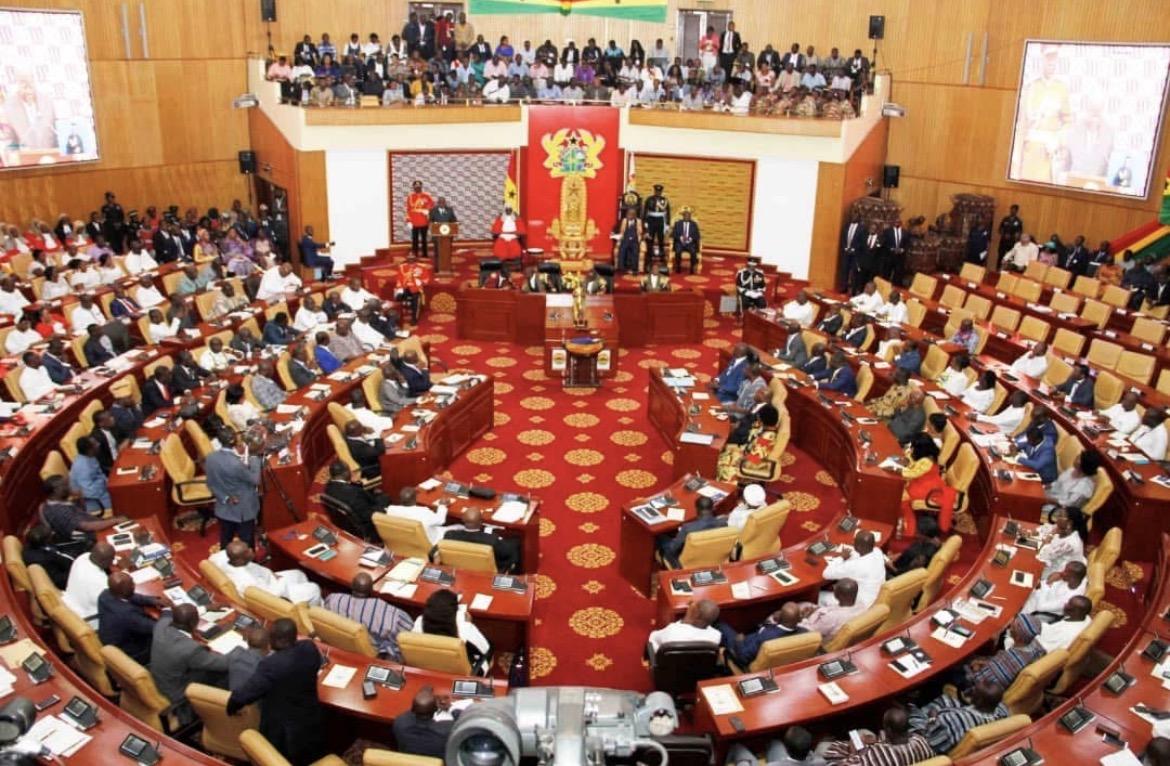
Parliament has approved the Excise Bill, 2026, abolishing excise duty on locally manufactured fruit juices in a move expected to lower retail prices, strengthen Ghana’s agro-processing industry and stimulate demand for locally grown agricultural produce.
The legislation introduces a new excise tax framework that combines fiscal incentives with industrial policy by rewarding manufacturers that increase the use of locally sourced raw materials in production, while maintaining Excise Tax Stamp requirements to improve tax compliance and revenue administration.
Presenting the Bill before Parliament, Deputy Finance Minister Thomas Nyarko Ampem said the reforms were designed to encourage domestic value addition and reduce reliance on imported production inputs.
Under the new regime, beer and beverage manufacturers that source a larger share of their raw materials locally will qualify for lower excise tax rates through a sliding-scale incentive structure. The policy is expected to deepen linkages between agriculture and manufacturing by creating stronger demand for Ghanaian crops.
A major feature of the legislation is the complete removal of excise duty on locally produced fruit juices. Companies such as Blue Skies and Akumfi Juice Factory are expected to benefit from the tax exemption, which government believes will translate into lower consumer prices while encouraging healthier consumption patterns.
The reform is also intended to improve the competitiveness of Ghana’s fruit-processing industry by expanding market demand for products manufactured from locally cultivated fruits, creating stronger incentives for investment in value addition and reducing post-harvest losses across agricultural value chains.
Beyond supporting manufacturers, the policy is expected to generate wider economic benefits for fruit farmers through increased procurement by processors, strengthen rural incomes and create additional employment opportunities throughout the agro-processing sector.
The Excise Bill forms part of the government’s broader fiscal reform programme, which seeks to use targeted tax incentives to promote industrialisation, encourage domestic manufacturing, increase local content in production and improve the long-term competitiveness of Ghanaian industries while supporting healthier consumer choices.
Written by
Liwalmor M-Moadan
M-Moadan is dedicated journalist committed to delivering accurate, timely, and impactful news. Passionate about uncovering the facts, telling meaningful stories, and keeping the public informed with integrity and professionalism.
Related Stories

Ghana’s Gold Revolution: Can Refining Gold at Home Finally Keep More of the Country’s Wealth in Ghana?
For generations, Ghana has drawn enormous wealth from beneath its soil, yet much of the value created from that wealth has flowed beyond its borders. Now,...
GoldBod Targets $1.4bn as BoG Reduces September Dollar Sales
The Bank of Ghana (BoG) has sharply reduced the amount of foreign exchange it plans to supply to the market in September 2026. Market data indicate that the...

Four CIIG Awards Strengthen Enterprise Insurance’s Leadership Position
Enterprise Insurance emerged as the most successful company at the sixth Chartered Insurance Institute of Ghana (CIIG) Awards, securing four major honours at...
Comments (0)
No comments yet. Be the first to share your thoughts.