NDC Welcomes Supreme Court Verdict Against Delegate System, Says Ruling Deepens Ghana’s Democracy
Liwalmor M-Moadan
Journalist

The National Democratic Congress (NDC) has welcomed the Supreme Court’s landmark ruling declaring the delegate system used by political parties to elect presidential and parliamentary candidates unconstitutional, describing the judgment as a significant victory for constitutional democracy, political inclusion and the rights of ordinary party members.
The decision, delivered on Wednesday by a seven-member panel of the Supreme Court in a 5–2 majority ruling, directs that all registered members of political parties must be allowed to participate in the election of parliamentary and presidential candidates, effectively ending the long-standing delegate-based electoral college system employed by Ghana’s major political parties. The court also ordered all political parties to amend their constitutions and internal electoral arrangements within one year to comply with the judgment. However, it ruled that all elections, appointments and decisions lawfully undertaken under the previous delegate system before the judgment would remain valid and would not be invalidated. Full reasons for the decision are expected to be filed on August 5.
Reacting to the judgment, the NDC said it fully respects the authority of the Supreme Court and believes the ruling strengthens democratic governance by widening participation in internal party elections. The party noted that expanding voting rights to all registered members would enhance transparency, accountability and grassroots ownership of leadership selection.
According to the NDC, the judgment reinforces the constitutional requirement that political parties must organise themselves in accordance with democratic principles and ensures that no small group of delegates exclusively determines who becomes a parliamentary or presidential candidate.
The party further indicated that it would carefully study the full written judgment once released before taking the necessary constitutional and administrative steps to comply with the court’s directives. It added that its legal and constitutional bodies would work with the party’s leadership to review existing provisions governing internal elections to ensure they conform to the Supreme Court’s ruling.
The ruling stems from a constitutional challenge filed by former Environment Minister Prof. Kwabena Frimpong-Boateng, veteran politician Dr. Nyaho Nyaho-Tamakloe, and former Minister Dr. Christine Amoako-Nuamah, who argued that the delegate system violated the democratic rights of ordinary party members by restricting voting in internal elections to a limited group of delegates, executives and office holders. Represented by lawyer Oliver Barker-Vormawor, the plaintiffs contended that the arrangement contravened Article 55(5) of the 1992 Constitution, which requires political parties to conform to democratic principles in their internal organisation.
The judgment is expected to have far-reaching implications for Ghana’s political landscape. Both the NDC and the New Patriotic Party (NPP), along with other registered political parties, will now be required to redesign their internal electoral processes to allow broader participation by their memberships. Political analysts believe the decision could significantly reduce the influence of delegate politics, minimise allegations of vote-buying during primaries and strengthen internal democracy by giving every registered party member an equal voice in choosing parliamentary and presidential candidates.
The Supreme Court’s decision marks one of the most consequential rulings on political party governance since the advent of the Fourth Republic and is expected to reshape how Ghana’s political parties organise their future internal elections.
Written by
Liwalmor M-Moadan
M-Moadan is dedicated journalist committed to delivering accurate, timely, and impactful news. Passionate about uncovering the facts, telling meaningful stories, and keeping the public informed with integrity and professionalism.
Related Stories
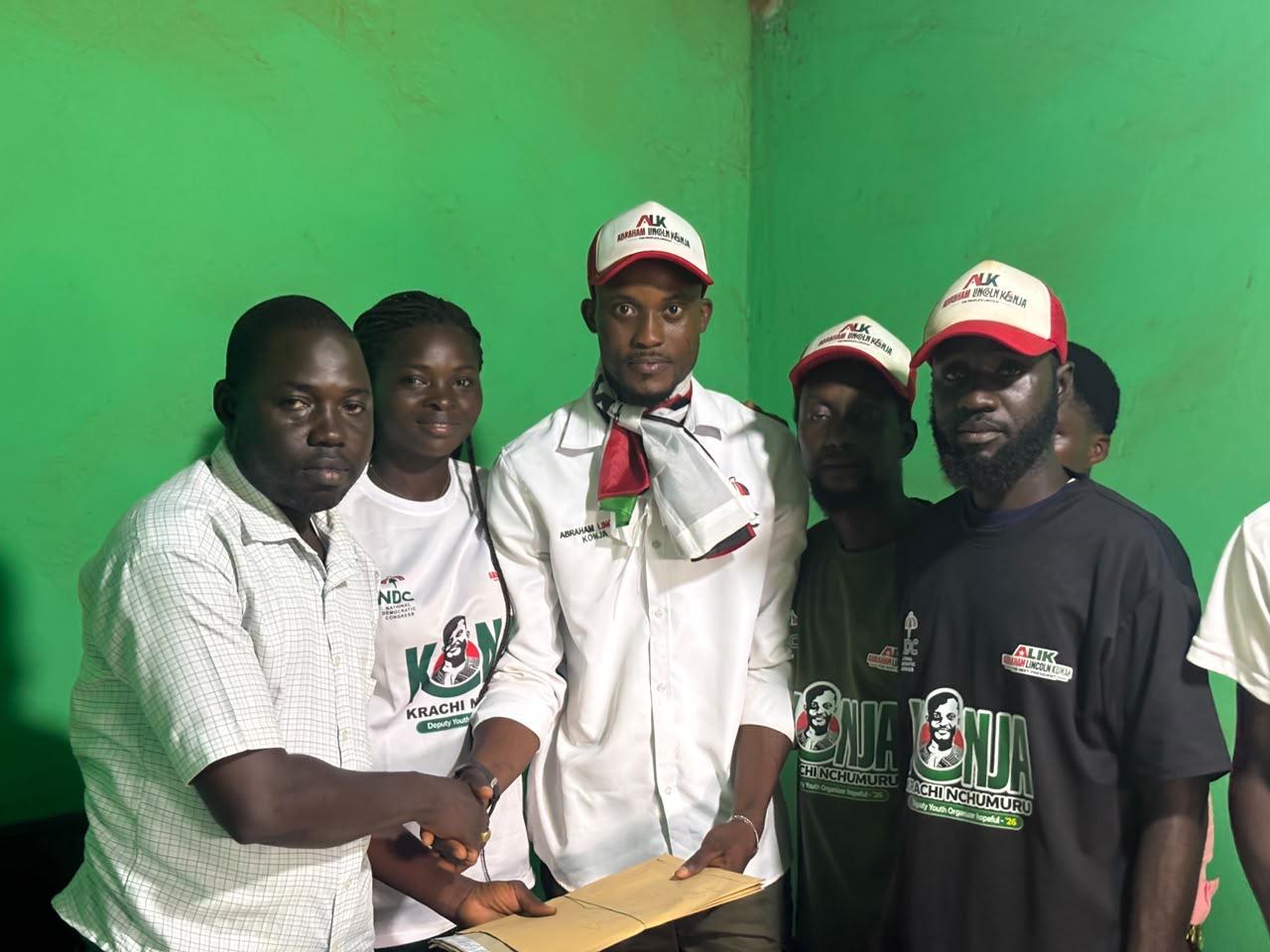
ABRAHAM LINCOLN KONJA FILES FOR NDC DEPUTY YOUTH ORGANISER IN KRACHI NCHUMURU
Abraham Lincoln Konja has officially filed his nomination to contest the position of Deputy Constituency Youth Organiser of the National Democratic Congress...

Fuseini Inusah Akonsi Declares Bid for NDC Northern Regional Deputy Youth Organizer
Fuseini Inusah Akonsi has officially declared his intention to contest for the position of Northern Regional Deputy Youth Organizer of the National Democratic...
Mahama Orders Immediate Dissolution of Boards of Nine State Institutions
President John Dramani Mahama has directed the immediate dissolution of the governing boards of nine state-owned institutions, affecting organisations...
Comments (0)
No comments yet. Be the first to share your thoughts.